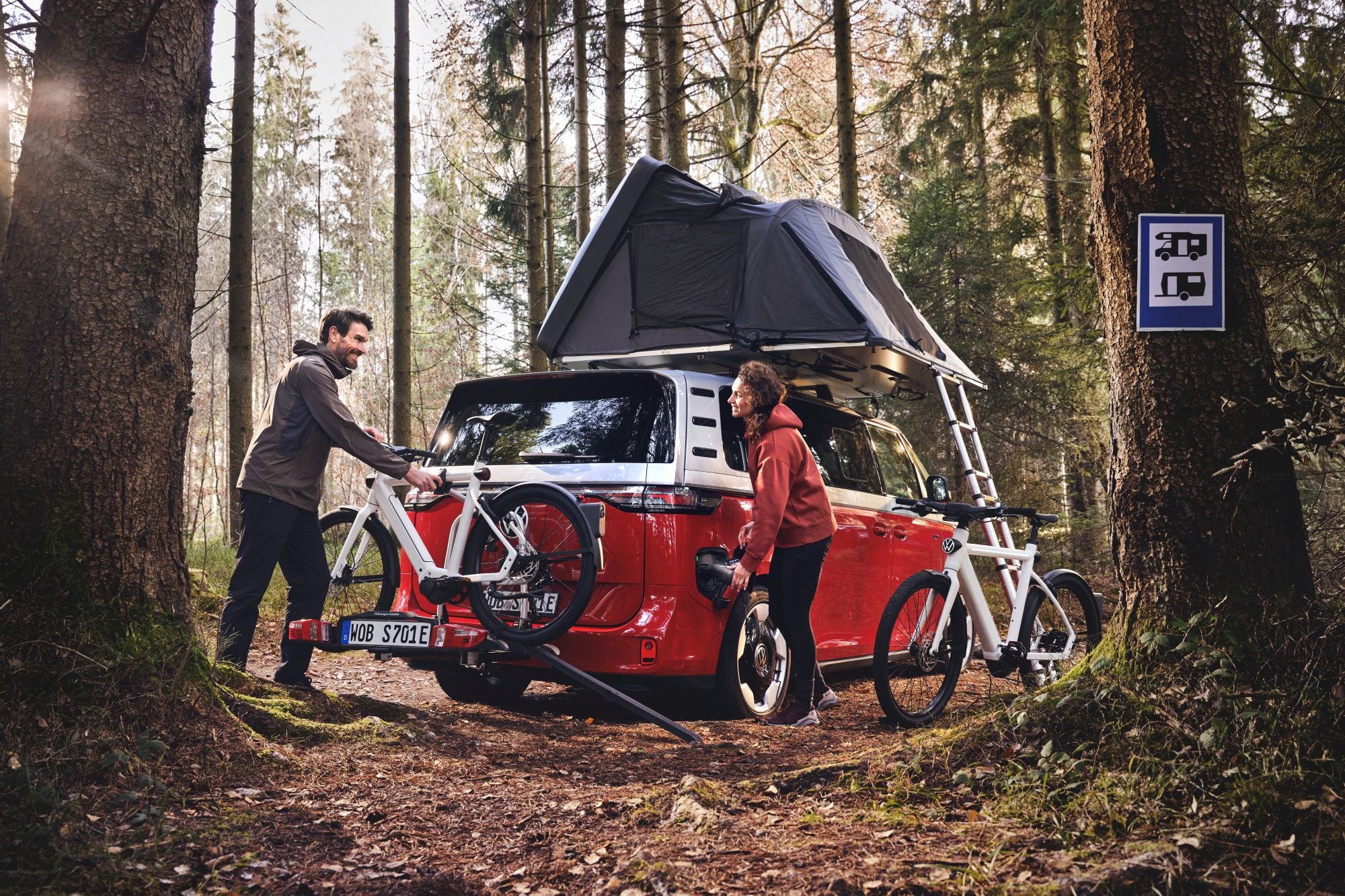
Driver-assistance technology that most people know from cars has landed on a bicycle. The Smart eBike, developed by n+ under licence from Volkswagen, shows a live rear view on a display mounted in the centre of the handlebars, and warns the rider when radar picks up a vehicle in the blind spot. An LED strip along the top tube glows red under braking and amber when turning. The range was announced in Wolfsburg, Germany on July 14, 2026.
Seeing behind you without turning your head
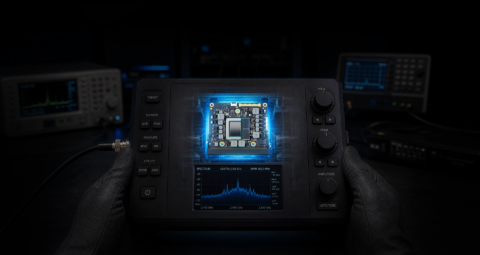
The core feature is called Smart View. A rear-facing radar detects approaching vehicles and automatically brings up the rear camera feed on the display integrated into the handlebars, alongside a blind-spot alert. The idea is to remove the need to glance over your shoulder in traffic.
Every time a cyclist looks back, they take their eyes off the road ahead. With reversing cameras and blind-spot monitors now standard fare on cars, this product applies the same logic to two wheels. n+ argues that as more eBikes appear on city streets, accidents rise with them, and that bikes and cars need to be able to anticipate each other's movements.
A top tube that signals intent
The second pillar is Smart Lights. A full-length LED strip is built into the top tube and works as a high-visibility daytime running light. It turns red under braking and amber when the rider signals a turn, communicating intent to surrounding drivers. It is Volkswagen's automotive lighting design language transplanted onto a bicycle.
There is a caveat: this behavioural lighting is not street legal in every market, and the maker specifically names Germany and France. There is no official statement on how it would be treated in Japan. Advanced features launched overseas do not always arrive intact in other regulatory environments.
The helmet and the sunglasses are part of the system
The ecosystem extends beyond the frame. The Smart Helmet pairs with the eBike over Bluetooth and mirrors braking and turn signals with rear-facing LEDs. It also carries an accelerometer that can detect a crash and send an emergency text message to family members.
The Smart Glasses are sunglasses with a head-up display. Navigation prompts, radar blind-spot alerts and ride data are layered into the rider's field of view. An intentional glance to the upper right switches the display on and off. According to n+, engineers who worked on fighter-pilot helmet-mounted HUDs were involved in the design. The glasses are not limited to the bike and can be used on their own.
Priced at the top end of the bicycle market
The drivetrain is a Yamaha mid-drive unit rated at 250 W, with pedal assistance up to 25 km/h. Maximum range is quoted at 160 km, though the company notes officially that this is indicative and varies with rider weight, wind and terrain. An automatic mode adjusts assistance on climbs and under acceleration. Security combines an 85 dB alarm with Apple Find My support.
There are two models. The Sport, tuned for agile handling, costs 3,999 EUR (about 740,000 yen); the Crossover, tuned for comfort and range, costs 4,349 EUR (about 800,000 yen). Smart View is 699 EUR (about 130,000 yen) on its own but is included free with pre-orders. The Smart Helmet and Smart Glasses are 499 EUR each (about 90,000 yen), Smart Security is 149 EUR (about 30,000 yen), and the Smart Range Extender is 848 EUR (about 160,000 yen).
※1 EUR = 185 JPY
Deliveries are planned for the fourth quarter of 2026, and what is on sale now is a pre-order slot. The official site states that units will ship only after certification against applicable EU requirements is complete, making the current bikes pre-production models. Manufacturing is handled by N Plus North America, with European distribution through N Plus Europe.
Summary
The Smart eBike, developed by n+ under licence from Volkswagen, bundles a radar-triggered rear-view camera, behavioural LED lighting in the top tube and HUD-equipped smart glasses into a single safety system. The Sport is 3,999 EUR and the Crossover 4,349 EUR, with deliveries due in the fourth quarter of 2026. It marks how far automotive safety technology has now filtered down to the bicycle.