A US robotics company has released a cloud-based intelligence platform that dramatically compresses the time it takes to get a robot working on the factory floor. The system shares intelligence across robots from different manufacturers, and its latest update lets AI agents handle much of the design and tuning work that previously required human engineers.
Sharing Intelligence Across Manufacturers
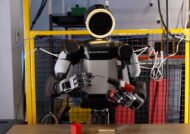
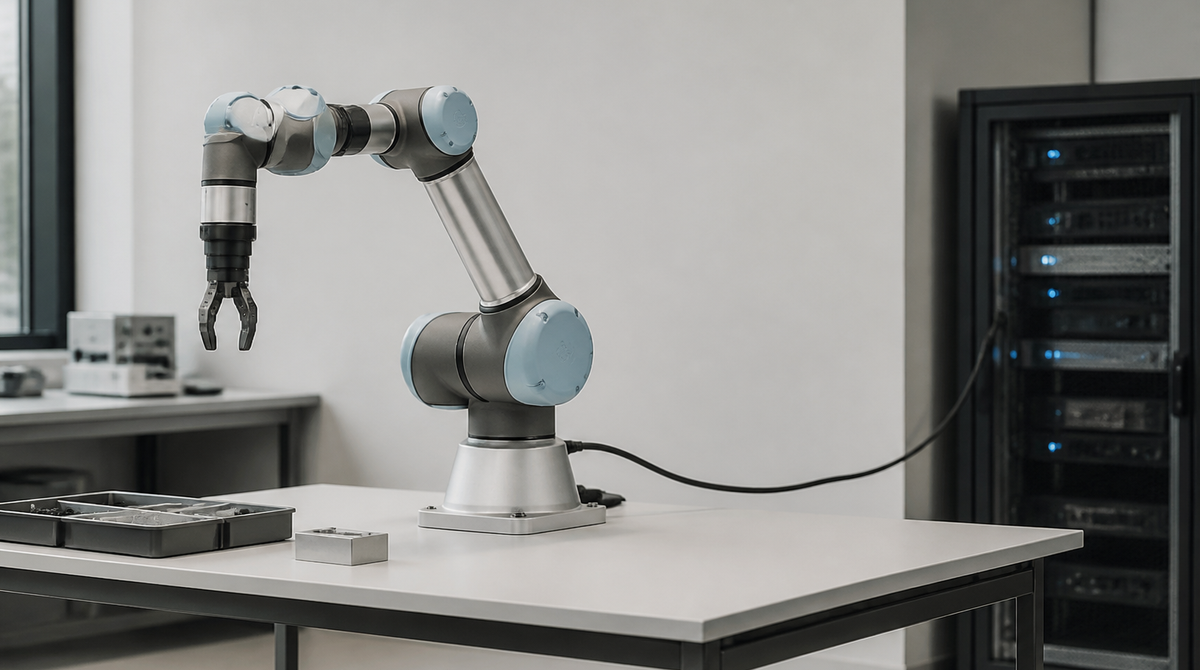
General Robotics, based in Redmond, Washington, offers a robot intelligence layer called GRID. Rather than embedding AI separately into each machine, GRID keeps the intelligence in the cloud, letting robots from multiple manufacturers and models draw on a shared library of skills, foundation models, and control techniques. According to the company's chief executive, having a single intelligence layer overseeing 50 or 100 robots matters far more than 50 or 100 robots operating independently.
The centerpiece of this update is that GRID now automates its own engineering work. Given a task, the platform first works out which skills are needed, then assembles a combination of models and methods to produce them. It builds and runs the simulation environments required for training and evaluation, and after deployment, it keeps tracking field performance and failures to decide what to improve next, running that loop continuously across every connected robot.
Setup Time Falls from a Month to Two Hours, Skill Transfer from Days to 90 Minutes
Thanks to this automation, getting a single robot into production has dropped from roughly a month to as little as two hours. Ingesting a new AI model into the platform, once a three-day process, now takes as little as 20 minutes. Moving a skill developed for one robot over to a different model, previously a three-day task, can now take as little as an hour and a half, and building and deploying an entirely new skill can be done in as little as two days.
Underlying this speedup is a set of knowledge graphs. Every robot onboarded, task performed, model ingested, and failure logged is stored as structured data that later deployments can draw on, so each job is designed to leave the platform better prepared for the next one. At the same time, General Robotics says customer data and intellectual property remain walled off, reflecting attention to security as the platform handles data from multiple client companies.
Partnering with Industrial Robot Makers and Newer Players
Fanuc America Corp., the US arm of the industrial robotics giant, and Chinese robot maker Galaxea Dynamics are already working with GRID. A Fanuc America representative said General Robotics is an authorized system integrator advancing frontier physical AI across the company's product line, while Galaxea's founder said the partnership is speeding up deployments in automotive, pharmaceutical, and consumer packaged goods manufacturing. General Robotics says its customers also include government agencies and companies it describes as global top five players in automotive manufacturing, port operations, power generation, and food and beverage production.
Founded in 2023 by Three Former Microsoft Researchers
General Robotics was founded in 2023 by three researchers who previously worked on robotics at Microsoft. The company's chief executive spent 17 years at Microsoft, including leading its autonomous systems and robotics research group, and the company operated under a different name before rebranding. Its investors include venture capital firms as well as the investment arm of a major semiconductor maker, underscoring the level of interest in the robotics sector.
Looking at the broader robotics industry, some observers note there is unlikely to be a single "ChatGPT moment" that suddenly redefines what is possible, unlike what happened with generative AI. Instead, progress is expected to arrive deployment by deployment, built on real-world data that few companies are currently positioned to capture at scale. How far platforms like GRID become the foundation for that progress will likely depend on how many real-world deployments they can accumulate going forward.
Summary
General Robotics' cloud platform GRID shares robot intelligence across manufacturers and now automates its own engineering work, cutting deployment time from about a month to as little as two hours. With industrial robotics leaders and newer manufacturers already on board, it will be worth watching how far this approach to accumulating real-world data and continuously improving spreads across the industry.