
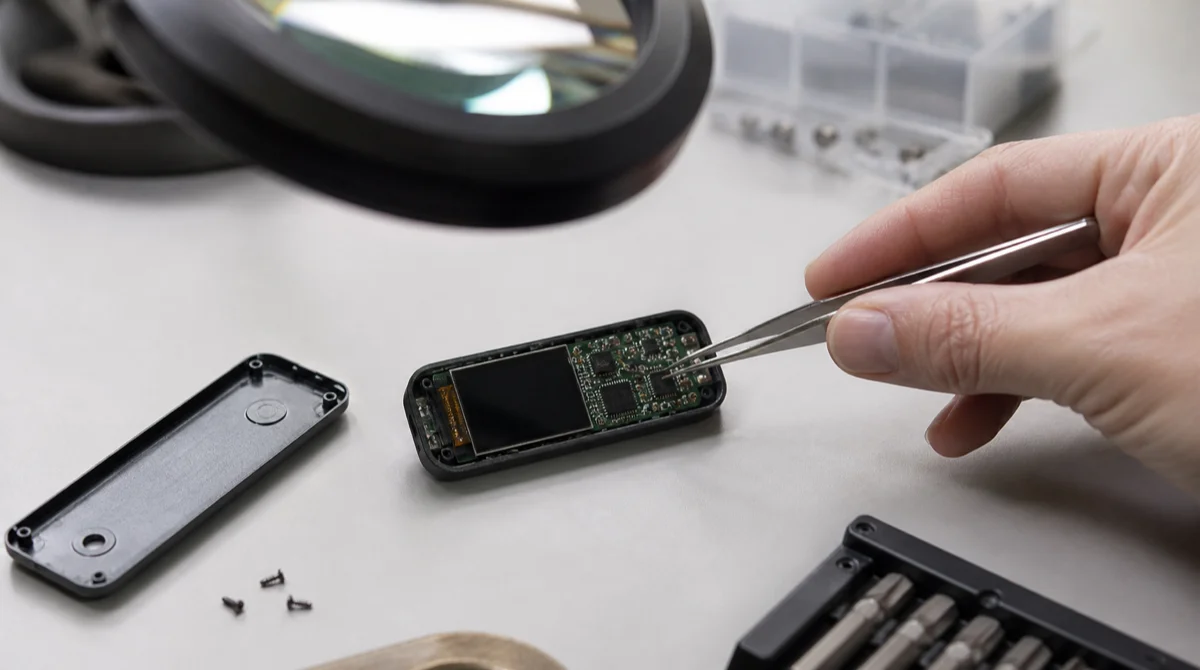
Hardware wallet maker Trezor said on its official blog on November 12, 2026, that it has confirmed malicious circuits, or implants, inside three Trezor Safe 5 devices bought through the reseller CryptoBilis. The implants were built to steal wallet recovery phrases. Trezor released firmware 2.13.1 on November 11, which it says adds a protection that stops the implants it found from capturing anything. The company has also cut its global reseller network by about 80%.
The Implants Were Found in Three Units Bought From CryptoBilis in August and September
After receiving a report in October, Trezor asked customers who had bought from CryptoBilis to get in touch. So far, 48 customers have contacted the company, and their devices have been examined either in Trezor's lab or through photos of their internals. Trezor confirmed implants in three devices, including the one first reported. The company examined that first unit in its lab and identified the other two from photos sent by their owners.
All three were purchased between August 20 and September 23, 2026, from CryptoBilis's Tokopedia and Shopee stores or directly from CryptoBilis. No other device checked showed signs of tampering, and Trezor has found no implants in devices supplied by its other regional resellers or in any model other than the Safe 5. The company says no customer has reported losing funds so far.
The Circuit Reads Recovery Phrases Off the Screen and Sends Them Over a Mobile Network
The implant is an extra circuit board fitted between the Safe 5's main board and its screen. According to Trezor, it only copies what appears on the display and does not alter the firmware or the Secure Element. It recognizes and stores the backup words shown when a wallet is created and the words typed in during recovery, and it does the same with a passphrase if one appears on screen. It encrypts the captured data and sends it over a mobile network to a server controlled by the attacker. If it cannot connect, it keeps the data and retries until it succeeds.
Trezor says the design works the same way as the implants previously found in Ledger devices, adapted to the Safe 5's display. The company is withholding technical details to avoid helping attackers.
Firmware 2.13.1 Disables These Implants but Cannot Protect Data Already Captured
Firmware 2.13.1 includes a protection that prevents the implants Trezor found from capturing information. While Trezor says this makes the current batch of implants useless, it also spells out the limits. The update cannot protect a recovery phrase captured before it was installed, so Trezor is asking CryptoBilis customers to move their funds to a new wallet created with a new recovery phrase. The company adds that this fix targets the implants it has found, and that new device protections will be released later.
Who Can Get a Replacement or Refund, and What Users Should Do
Any customer who bought a Trezor from CryptoBilis from March 2026 onward can get a replacement device, even if no implant has been confirmed in their unit. Because of shipping restrictions, Trezor may instead offer a different model with a refund of the price difference, delivery to another country, or a full refund. Customers should keep their CryptoBilis device and contact Trezor Support.
Trezor asks anyone who suspects tampering to keep the device, not set it up or use it until told what to do, and contact Support. The company says it will never ask for a recovery phrase and warns users about scammers posing as Trezor with replacement or refund offers. For future purchases, it recommends buying directly from its official website, trezor.io.
On the roughly 80% cut to its reseller network, Trezor says the partners it removed were trustworthy and posed no immediate threat, but did not meet the stricter requirements it now imposes on sourcing, storage, and access control.
Our Take
The whole point of a hardware wallet is to keep secrets from ever leaving the device. This attack left the Secure Element and firmware untouched and pulled the secrets out through the screen instead, showing that a device with sound design can still be compromised somewhere along the supply chain. Users in Japan and elsewhere should check where their device came from and avoid secondhand units of unknown origin or products from unofficial sellers. Trezor's decision to drop most of its resellers suggests it now puts control over distribution ahead of easy availability.
Summary
Trezor has confirmed hidden circuits that steal recovery phrases in three Safe 5 wallets sold through CryptoBilis. Firmware 2.13.1 stops these implants from working, but it cannot protect information that has already leaked. Affected customers need to move their funds to a new wallet and contact Trezor Support for a replacement.