Netherlands-based Surfshark has published the results of a study into how many types of data more than 300 iPhone apps for smart home devices collect. Its announcement for Japan came on November 23, 2026 (JST), and the data was gathered in October 2026. Of the 35 data types listed on the App Store, Amazon's Amazon Alexa app collects 28, the most of any app in the study, according to the company. Google's Google Health (formerly the Fitbit app) ranked second and Google Home third.
Surfshark has published the study on its smart home privacy research page, with a breakdown by room on its insights page and details of how the data was gathered on its methodology page.
Amazon Alexa Collects 28 Data Types, Apple Home Just 4
The study covers more than 300 apps that work with roughly 500 IoT (Internet of Things) products. It spans 64 device categories, from TVs to bathroom scales, and draws on the privacy information shown on each app's App Store page. Surfshark says it picked the apps from products named in top-ranking articles for the search term "the most popular IoT X device."
Here is how the major apps compare by the number of data types they collect.
| App | Provider | Data types collected (of 35) |
|---|---|---|
| Amazon Alexa | Amazon | 28 |
| Google Health (formerly Fitbit) | 24 | |
| Google Home | 22 | |
| Google TV | 18 | |
| Fire TV | Amazon | 8 |
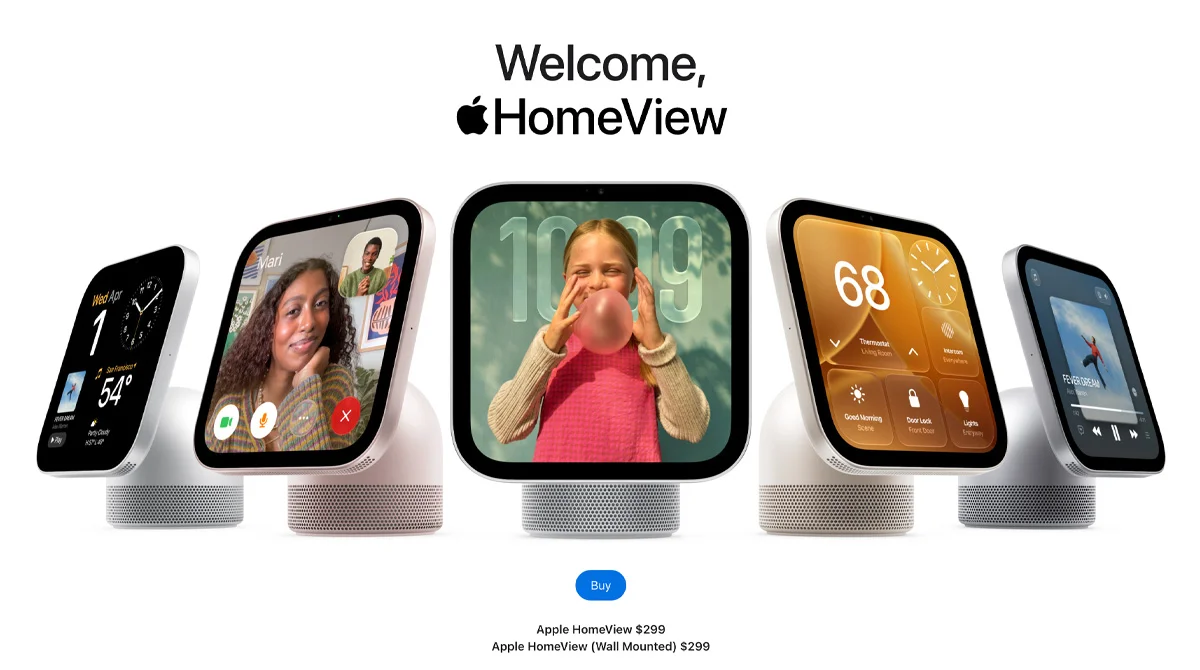
| Apple Home | Apple | 4 |
According to Surfshark, Amazon Alexa's 28 data types are about four times the average for the smart home apps it surveyed. The company did not give the actual average. Apple Home, by contrast, collects just four types: product interaction, performance data, other usage data, and device ID.
Sensitive Data Such as Race and Sexual Orientation Is Also Collected
Surfshark looked not only at how much data is collected but also at what kind. Amazon Alexa and Google Health also collect sensitive information such as race and ethnicity, sexual orientation, religious beliefs, biometric data, and emails or text messages, the company says. Amazon Alexa and Google Home collect voice and audio recordings.
All three apps also collect precise location, home address, photos, and videos, Surfshark said. For reference, Apple's definition of sensitive information covers racial or ethnic data, sexual orientation, pregnancy or childbirth information, disability, religious or philosophical beliefs, trade union membership, political opinion, genetic information, and biometric data.
Room-by-Room Analysis Shows Differences in Tracking
Surfshark also published separate results for three areas of the home: the bathroom, the kitchen, and the living room. In the kitchen, 47 apps collect an average of nine data types, with Amazon Alexa's 28 the highest. Among coffee maker apps, five of the nine analyzed collect data for tracking, meaning linking it with data from other companies, mainly for advertising, the company says.
In the bathroom, Surfshark examined 20 apps, which collect an average of nine data types. Scale apps stand out: Google Health's 24 data types are double the smart scale category average of 12. TOTO's TOTO In Town Toilet app, a service available only in Japan, is listed as collecting no data at all.
In the living room, 18 apps collect an average of 11 data types each. One in three of them (33%) may collect data for tracking purposes, according to Surfshark.
Companies Differ on Using Data for AI Training
Surfshark also compared the companies' privacy policies. Google and Amazon say they may use user data to develop and improve AI models, according to the study. Apple, on the other hand, says it does not use personal data to train its foundation AI models.
The company offered six pieces of advice for users. They include checking how long a manufacturer will provide updates before buying, reviewing the data an app collects in its App Store privacy information, and using a unique password for each app with two-factor authentication turned on. On iPhone, it also recommends choosing "Ask App Not to Track" or turning off tracking for all apps under the Tracking setting.
Our Take
Lining up the number of data types each app collects gives buyers an easy yardstick when choosing devices. The gap between Alexa's 28 types and Apple Home's four suggests that even apps serving as the "control center" of a smart home take very different approaches to handling data.
That said, the study counts the types of data disclosed on the App Store, not how much data is actually sent or which features use it. Apps with many functions, such as voice assistants or health tracking, are likely to list more items. It is also worth noting that the study covers only iOS apps.
Even so, with information as personal as home addresses and voice recordings involved, reviewing permissions and turning off access for unused features seems a worthwhile step.
Summary
Surfshark's study found that Amazon Alexa collects 28 of 35 data types, more than any other smart home app it examined. The findings are relevant to households using Alexa or Google Home and to anyone planning to buy smart appliances. Surfshark says it aims to add Android apps to future updates of the study.