
Signal said on November 20, 2026 (local time), in a post on Signal's official blog, that it is restricting the latest AI agents built into mobile operating systems from capturing and storing Signal content. On iOS 27 it blocks screenshots inside the app, and on Android it automatically turns on protection when it detects an AI assistant trying to read the screen. The company frames the issue as a threat to its very ability to guarantee privacy.
"Block Siri AI" on iOS, "Screen security" on Android
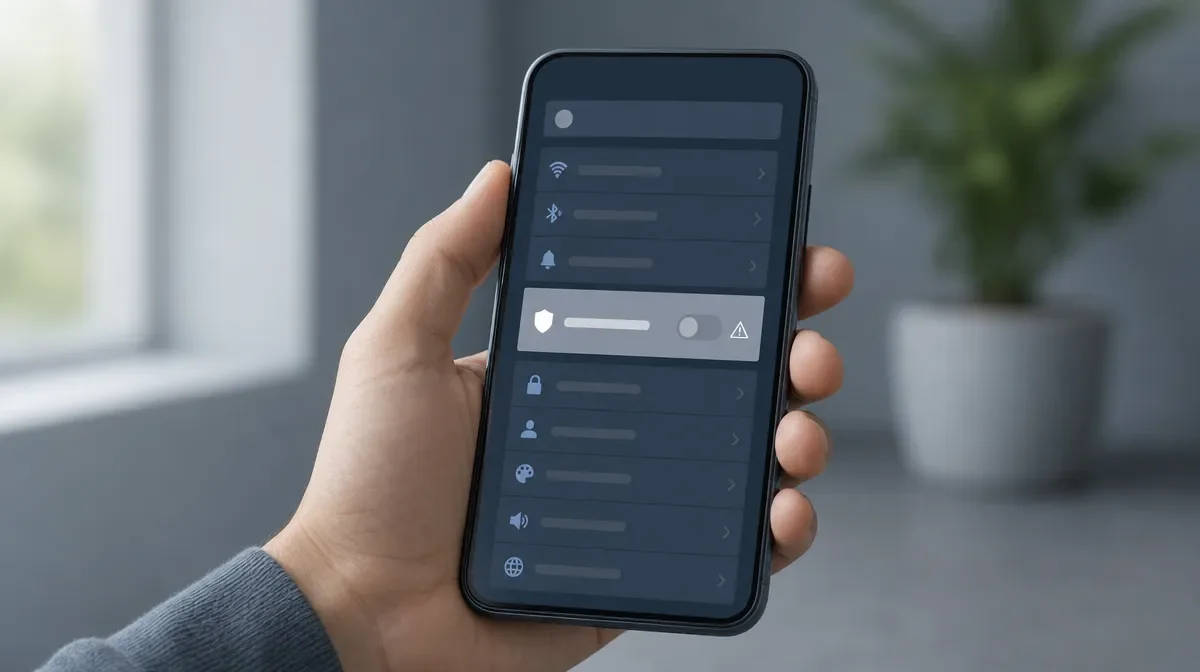
For iOS 27, Signal has added a new "Block Siri AI" item to its settings. While the protection is active, screenshots cannot be taken inside the app, closing off a route the OS's AI agents use to capture the screen. Signal says users can turn the protection off in settings.
On Android, Signal automatically enables its existing "Screen security" setting when it can detect an AI assistant attempting to read the Signal screen. According to the company, Android exists in many versions beyond the Google-provided builds on Pixel devices, and behavior varies by device. As a result, Signal says it cannot protect every device in the same way.
| Platform | Signal's response |
|---|---|
| iOS 27 | "Block Siri AI" blocks screenshots inside the app |
| Android | Automatically enables "Screen security" when AI assistant access is detected |
| Windows 11 | Since 2025, screenshot blocking on by default against Microsoft "Recall" |
| macOS 27 | No reliable way to block; Signal advises adding it to excluded apps under "Siri" in System Settings |
Gemini, Siri AI and Muse Named
The blog post names several AI agents as the backdrop for the move: Google's "Gemini Intelligence," the screen-awareness capability (Onscreen Awareness) in Apple's "Siri AI," and Meta's "Muse," a third-party agent that could read app data through accessibility settings.
All of them are built to understand what is shown on screen and act on the user's behalf. From Signal's perspective, however, that means messages protected by end-to-end encryption could be read on the device by the OS's AI. The company says it decided on the measures after running forensic investigations (detailed examinations of device behavior) across both Android and iOS.
This is not the first time Signal has taken such a step. In 2025, it turned on screenshot blocking by default against "Recall" on Windows 11. Recall captures the screen every few seconds, extracts the text, and builds a searchable database on the device, and Signal warned that this could retain content indefinitely, even disappearing messages.
Signal Admits the Fix Is Incomplete
Signal states plainly that its remedy is incomplete. Blocking screenshots does not address other routes, such as retrieving data already stored on the device through the filesystem. For macOS, it says there is no reliable way to block screenshots and urges Apple to fix the situation urgently.
If users turn the protection off, Signal says not only their own Signal content but also that of their contacts may be exposed to AI agents, potentially breaking its privacy guarantees. The company also takes the position that confidential computing (technology that protects data while it is being processed) is not a complete solution either.
OS Makers Asked for an Opt-Out and Documentation
Signal laid out two requests to Apple, Google and Microsoft. The first is an easy, well-documented way for app developers to opt out of AI data access and processing. It would cover not just screen reading but OS frameworks broadly, including the filesystem, notifications and APIs. The second is detailed documentation, including technical specifications, on how AI agents access and process data.
Signal is also asking for tools to stop third-party agents like Muse from reading app data through accessibility settings. The company says it is cautiously optimistic that Google and Apple are engaging with it, and that it will share more details soon.
Our Take
We think it matters that a messaging app has drawn a clear line telling OS-level AI it may not read its content. Encryption protects messages in transit, while content displayed on the device has been outside that scope. That said, blocking screenshots can inconvenience users who want to save conversations as images, and Android coverage relies on detection, leaving gaps. Still, there is only so much Signal can close off on its own, and in the end it comes down to whether OS makers provide an official opt-out mechanism.
Summary
Signal has introduced measures to stop OS AI agents from reading its app screen on iOS 27 and Android. The change matters to anyone using Signal on an iPhone or Android device with AI features such as Siri AI or Gemini turned on. Signal is asking OS makers for an official opt-out mechanism and says it will share more soon.