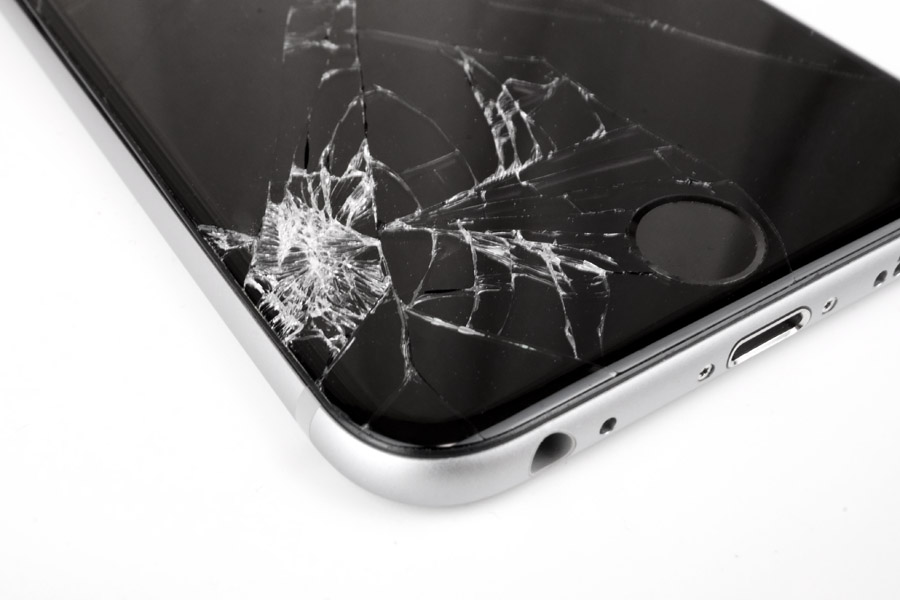
A lot of people who use an iPhone are probably still using it with a cracked screen. Even when they want to get it fixed, plenty of folks can't quite bring themselves to pull the trigger — they can't go without their phone for the duration of the repair, the price feels too high, and so on. This time, I want to walk through the difference between "official repair" and "non-official repair."
Your iPhone Cracked! How Much Does Repair Cost?
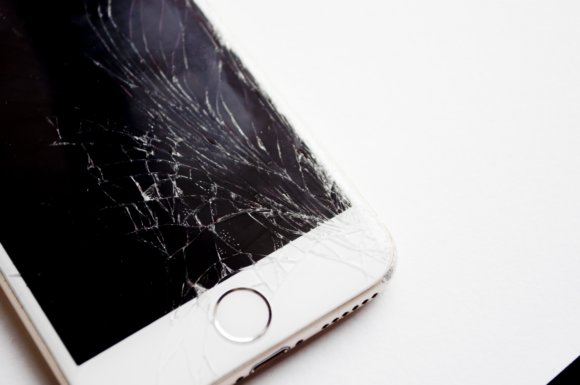
If you're not on a protection plan, an Apple display replacement runs you somewhere around 20,000 to 30,000 yen (about 130 to 200 USD), and the newer the model, the higher the bill goes. (Apple Official) On top of that, if any damage other than the screen is found, looking at the iPhone 11 as an example, you can end up with a repair bill of over 60,000 yen (about 400 USD) in some cases. (Apple Official) If you're enrolled in AppleCare or a similar plan, you can get the repair done for considerably less, but if you're not signed up, there's no question that this becomes a major hit to your wallet.
What Is a Non-Official Repair Shop?
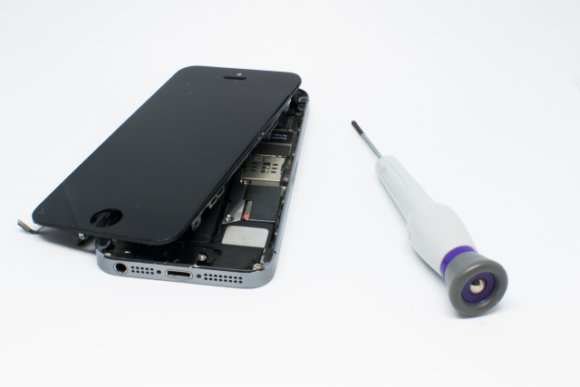
Anything outside of "Apple" itself and Apple's certified "Authorized Service Providers" counts as a "non-official shop," and these are not Apple's official repair centers. The iPhone repair places usually called "neighborhood repair shops" are mostly non-official. An Authorized Service Provider is a repair business officially recognized by Apple, and in Japan they're limited to a handful of operators like Quick Garage, Bic Camera, and Camera no Kitamura. The repair fees there are basically the same as going through Apple itself — there's no special discount. On the other hand, repairs at non-official shops are often comparatively cheap, so you can get the device fixed while keeping costs down.
What's the Difference Between Official and Non-Official Repairs?
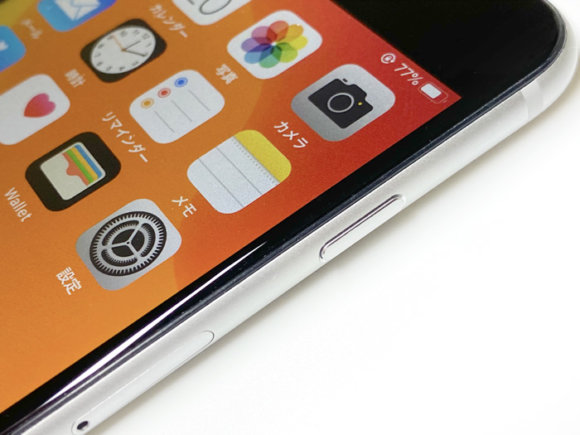
Apple only supplies genuine replacement parts to its Authorized Service Providers. Because of that, every part swapped in at a non-official shop is either a compatible component manufactured at some factory or a refurbished genuine part recycled from a used device. Some compatible parts come close to genuine quality, but they're still ultimately a look-alike substitute, so it's worth keeping in mind that you won't necessarily get the device back in the exact same condition it was in before the damage. Displays especially tend to suffer in non-genuine form: poor touchscreen sensitivity that makes the keyboard hard to type on, screens that look a little dim even at maximum brightness, color tones with a bluish cast, lots of dead pixels — quality is often noticeably worse than the genuine article. Also, if you have the home button repaired, there's a chance Touch ID will stop working, so that's another thing to watch out for.
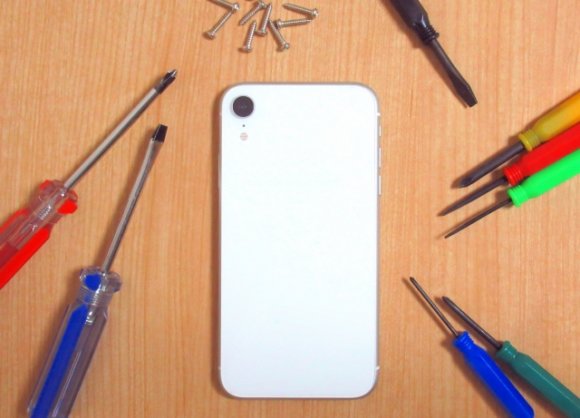
On top of that, with an official repair the staff's repair skills are guaranteed to a certain level, but at non-official shops the technical skill level varies from store to store. You can't really know which shop will give you the most satisfying repair until you actually use them, so it's a good idea to carefully check reviews and so on beforehand. At the worst shops, you can run into things like a 3 mm strip along the right edge of the screen not displaying anything when handed back, paint chipping off the replacement parts, six or more dead pixels, or vibration sounds that don't match what the device sounded like before — all real possibilities (speaking from personal experience). In the worst cases the shop will sometimes cover it under their own warranty, so make sure to read the contract terms carefully in advance.
Once You Use a Non-Official Shop, You May Lose Access to Official Repairs
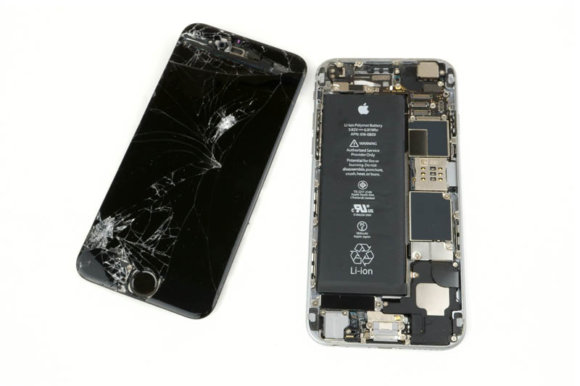
Once you've had the device repaired at a non-official shop, even once, there's a chance Apple will refuse to officially repair it from that point on, even within the warranty period. This is also written into the contract you sign at non-official shops. If there's any chance you might want to bring it to Apple for repair down the line, this is something to be careful about.
Non-Official Repairs Make It Harder to Resell Used
If you're thinking about selling the device to a used-electronics shop after the repair, some shops will refuse to buy it outright if it has a non-official repair history. In that case you can still sell on auction sites and the like, but the final winning bid tends to come in lower than usual.
At the End of the Day, Official Repair Is the Best Bet
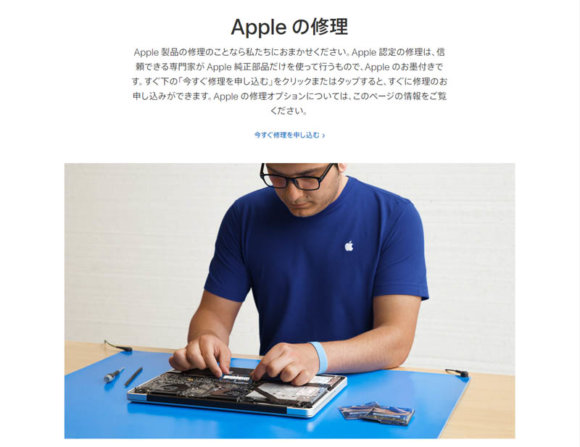
Rather than taking the "cheap but high chance of issues" risk, paying more upfront for an official repair gets you a reliably better outcome. Non-official shops are easier on your wallet thanks to the lower fees, but when you factor in "part quality," "technical skill," and "resale value," they're not really something I can recommend. There's also the option of buying parts on Amazon and doing the repair yourself, but if the person doing the repair isn't registered with the Ministry of Internal Affairs and Communications' "Registered Repair Operator System," the iPhone's "Giteki Mark" (technical compliance mark) becomes invalid, and using Wi-Fi or other radio waves on it after that puts you in violation of the Radio Act, so I can't recommend that approach either. AppleCare costs a bit extra, but it brings repair fees down and gives you peace of mind, so if your budget allows, it's worth signing up for. The latest iPhone 11 Pro especially is a high-end device that runs around 120,000 yen (about 800 USD), so dropping and cracking one would be a disaster. (I drop things a lot myself, so I have AppleCare on two iPhones and an iPad Pro...)










![Newsed Phone Opens Store for Used iPhones With 100% Battery Capacity [PR]](https://claypier.com/wp-content/uploads/2026/07/newsedphone-battery-100-iphone-480x236.png)