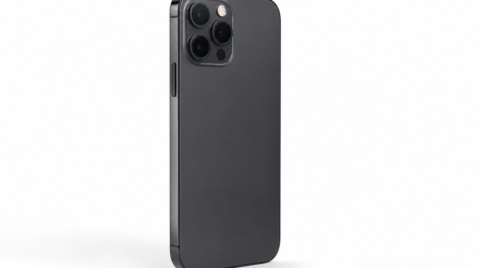
Apple has reportedly raised the production plan for its first foldable iPhone to around 10 million units this year, up from an earlier forecast of 7 to 8 million. The foldable is expected to arrive alongside the higher-end models in the fall of 2026, and rumors suggest it may launch under the "iPhone Ultra" name. Engineering issues with the hinge (the mechanism that lets the device fold) are said to be largely resolved, but all of this is pre-announcement information and the final details may change.
Supplier orders scaled up to 10 million units
According to multiple reports, Apple has asked component makers to prepare to build about 10 million foldable iPhones this year. The forecast a few months ago was said to be around 7 to 8 million, so this marks an upward revision.
Apple has reportedly already secured parts for roughly 80 million smartphones in the second half of 2026 alone (July to December). That figure includes the iPhone 18 Pro, the iPhone 18 Pro Max, and the first foldable model. Full-year 2026 production is expected to exceed 220 million units, and some suppliers have reportedly been told to expect orders for as many as 85 million new iPhones in the second half. Apple is also said to be asking suppliers to reserve existing iPhone 17 components for the upcoming iPhone 18 series.
Purchasing power stands out amid a memory shortage
The reason this production increase draws attention is that the smartphone industry as a whole is facing a shortage of semiconductor memory. Reports say Chinese makers such as Xiaomi, OPPO, and vivo have each lowered their annual production targets to below 100 million units. Against that backdrop, Apple is said to hold a more favorable position than its rivals thanks to the strong purchasing power that comes with placing large orders. When components are in short supply, the sheer volume a company can secure translates directly into competitiveness.
Hinge issues resolved, but early shipments may be limited
The foldable iPhone has long been dogged by technical problems with the hinge at the fold. The latest information suggests those issues have largely been addressed. Even so, some caution remains around ramping up mass production, and initial shipments right after launch may be relatively small. Full-scale production is not expected to begin until closer to the end of the year.
As for pricing, research firm IDC predicts an average selling price of 2,500 USD (about 400,000 yen) for the foldable iPhone. Higher-storage configurations could reach 3,000 USD (about 480,000 yen).
*1 USD = 161 JPY (as of July 3, 2026)
Last month, Apple raised prices on Macs and iPads, citing higher costs for semiconductor memory and storage. The current iPhone 17 lineup, however, has been left unchanged. There is now speculation that Apple could push through price revisions across the lineup in step with the launch of the new iPhones.
Expected specs and timing
The foldable iPhone is rumored to feature a 7.8-inch inner display used when open and a 5.5-inch outer cover display used when closed. For biometrics, it is said to adopt Touch ID fingerprint authentication rather than Face ID face recognition, along with a new "A20" chip for the processor and Apple's in-house "C2" modem for connectivity. Its launch timing is expected to align with the higher-end iPhone 18 Pro models in the fall of 2026.
Summary
Apple has reportedly raised the production plan for its first foldable iPhone to around 10 million units. Even amid an industry-wide memory shortage, the company is moving toward mass production on the strength of its purchasing power. While the hinge issues are said to be largely resolved, supply right after launch may be constrained, and the price is expected to sit in a premium range above 400,000 yen. All of this is pre-announcement information, and the final specs, price, and timing will have to wait for Apple's official announcement.