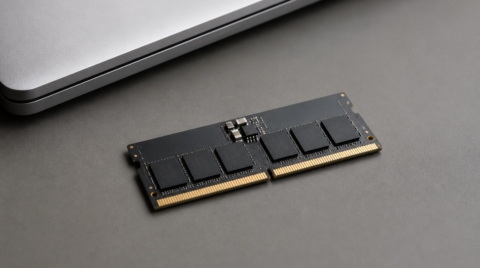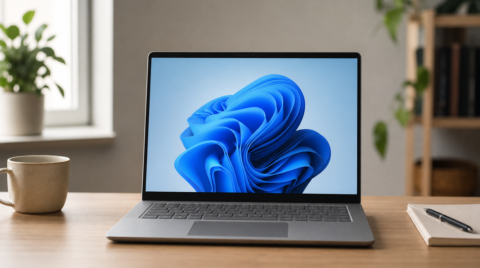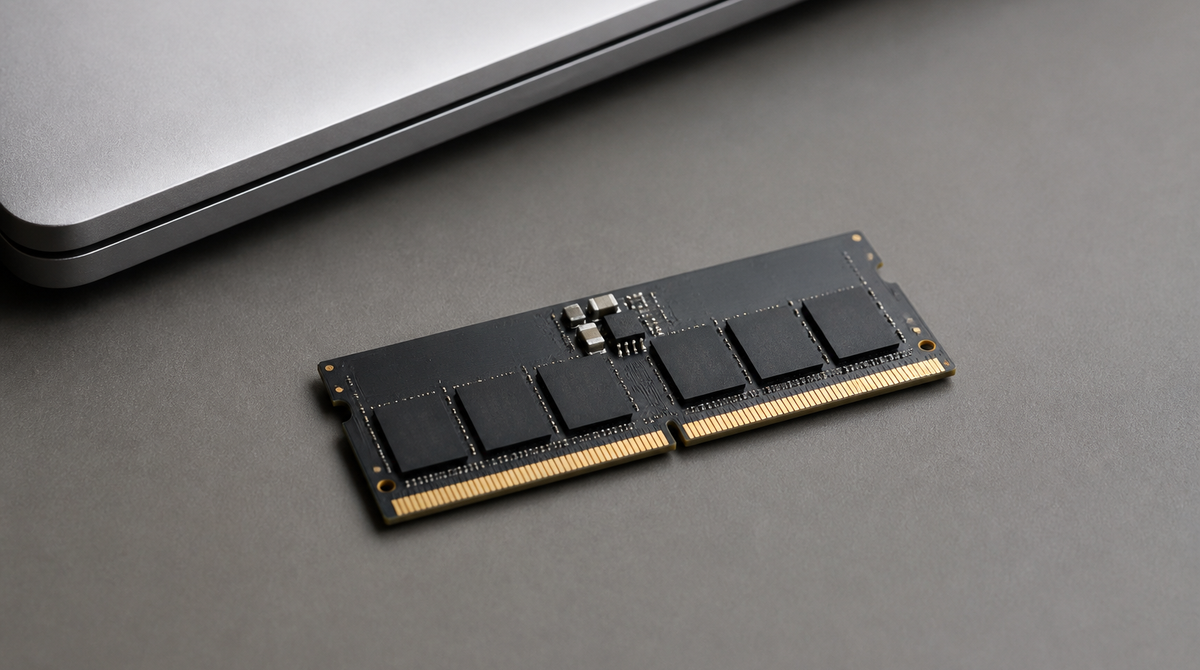
Microsoft has made reducing Windows 11's memory consumption an official priority. The work targets PCs with 8GB of RAM or more, trimming what the operating system claims for itself so that mainstream configurations feel responsive again. The changes are being tested with Windows Insiders first, with a broader rollout expected to begin this fall.
Memory optimization for 8GB and above joins the quality roadmap
On July 31, Pavan Davuluri, who leads Windows and Devices at Microsoft, published an update on the quality commitment the company made in March. Four new focus areas were named: faster initial setup, memory optimization for 8GB and above, simpler family setup and parental controls, and more natural voice interaction.
On the memory side, Microsoft describes the goal as reducing the Windows memory footprint so that customers get a fast and responsive experience on the PCs they use every day. What sets this apart from earlier messaging is that the problem is framed as an operating system issue rather than something caused only by the apps running on top of it.
The March commitment rested on three pillars: performance, reliability, and experience. This is the follow-up to that. On Microsoft's earnings call, Satya Nadella also pointed to investment in Windows quality and fundamentals, which suggests the topic has moved up the internal priority list.
Close to 6GB in use before a single app opens
Windows 11's appetite for memory has been a complaint for years. By Microsoft's own earlier accounting, an 8GB PC sits at close to 6GB in use with nothing open, and a 16GB PC goes past 10GB. Even on a 4GB machine, the official bare minimum, independent testing puts the OS alone at roughly 3GB.
A large part of the reason is WebView2, the Chromium-based rendering engine that underpins parts of Windows and several inbox apps. Each WebView2 surface behaves much like a small browser tab, so when widgets, Settings, Search, and the Start menu all run one at the same time, the memory adds up.
Third-party developers followed the same pattern. Desktop apps wrapped in Electron or WebView2 each carry their own browser engine. The overhead is modest per app, but it compounds as more of them sit resident in the background.
A new memory allocator, and inbox apps moving to WinUI
Three concrete measures have been described. The first is replacing the memory allocator, the machinery that handles allocating and freeing memory, with a more efficient modern implementation. Because this sits at the foundation of the OS, the savings cut across apps and system components alike.
The second is tuning WinUI 3. WinUI is the native UI framework for Windows, and it does not need to spin up a browser engine just to draw a dialog box. Microsoft has already rebuilt the File Explorer Properties dialog in WinUI and has said more legacy dialogs will follow. The company has also shifted to encouraging developers to build native WinUI apps rather than web wrappers.
WinUI itself still has memory and performance issues that Microsoft is working through first. Larger pieces such as the Start menu will move over only after that groundwork is finished.
The third is making the Chromium and WebView2 components that remain in the OS more efficient. Not everything can be moved to WinUI, so for what stays, Microsoft says it is tuning how instances share resources and suspending inactive background processes to hold down the cost of each one.
Rolling out from this fall, continuing through year-end
The improvements are already being tested in Windows Insider preview builds, and wider distribution is set to begin this fall. Rather than one update that fixes everything at once, Microsoft describes an incremental effort running through the end of 2026.
Rising memory prices form the backdrop. With supply redirected toward AI data centers, adding RAM has become a less attractive option. On top of that, AI models running locally demand real memory. Problems that used to be solved by buying more hardware now have to be absorbed in software.
It is also worth noting that the target is described as 8GB and above, not 8GB alone. On 16GB and 32GB machines, whatever the OS gives back goes to apps and games instead. For anyone hoping to keep their current PC a while longer, that is a practical benefit.
Summary
Microsoft has named memory optimization for PCs with 8GB of RAM and above as one of the focus areas in its Windows 11 quality work. A new memory allocator, the migration of inbox apps to WinUI, and efficiency work on the Chromium and WebView2 components left in the OS are the three pillars. After validation with Windows Insiders, the changes will roll out in stages beginning this fall, with the effort continuing through the end of 2026.