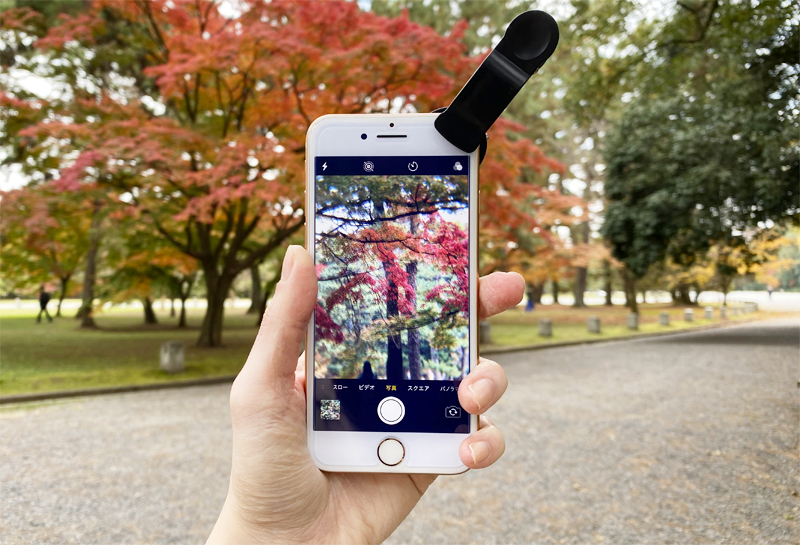
Clip-on lenses for smartphones are a fun gadget — they let you easily get a different look out of your phone's camera.
There are 100-yen-shop lenses out there too, but to be blunt, those are basically party-favor quality: you can pull off a fun shot, but if you ask "is it actually usable?", the answer is sort of "well…". So how about a slightly pricier one? If it's a proper lens, maybe even an iPhone could pull off shots you'd normally only get with a DSLR. With that in mind, I picked up a 2,000-yen smartphone lens (about 14 USD) and went out to actually take some photos.
Is a 2,000-Yen Lens Really Just a "Toy"?
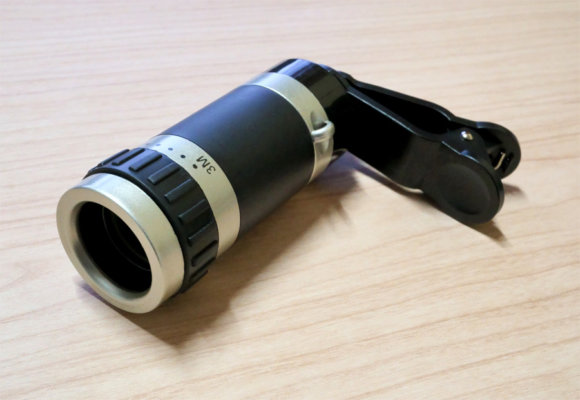
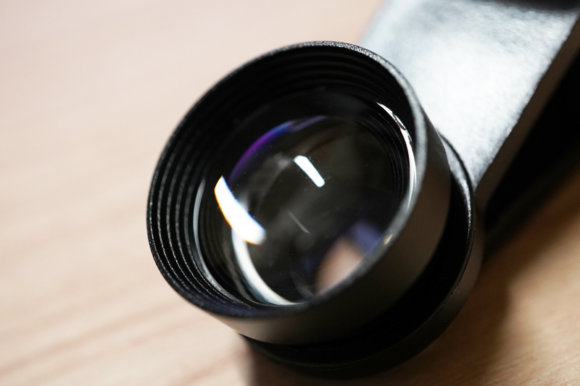
This is the lens I bought for 2,000 yen (about 14 USD). It's the standard clip-on style, but it's a decent size and has a manual dial for adjusting focus. The same type of lens is also sold on Amazon.
I didn't actually buy this one on Amazon, but I'm pretty sure it's the same lens. For a "toy," it's not exactly cheap, so I'm hoping for some good shots.
Since We're at It, Let's Shoot Autumn Leaves in Kyoto
For the location, I went with Kyoto since it's autumn-leaf season. I went on November 27, and according to the "Sou da, Kyoto, Ikou" website, the foliage was right at peak.

This time of year, Kyoto gets ridiculously crowded with tourists, so a smartphone camera — quick to whip out and easy to carry — actually feels like a pretty good fit.
Let's Try Shooting
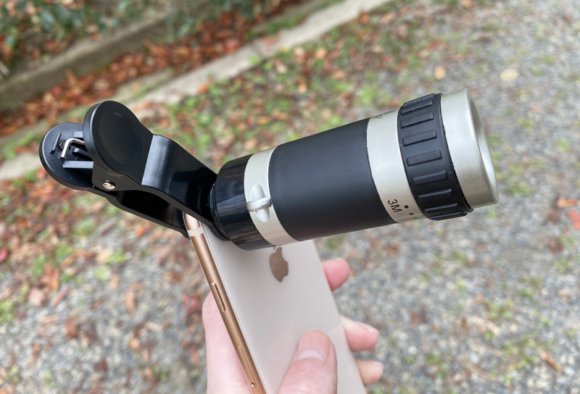
The lens is a clip-on, so attaching it takes a bit of fiddling. Even slightly off, you'll get vignetting in the corners — adjusting it just right is the unavoidable weakness of any clip-on lens.
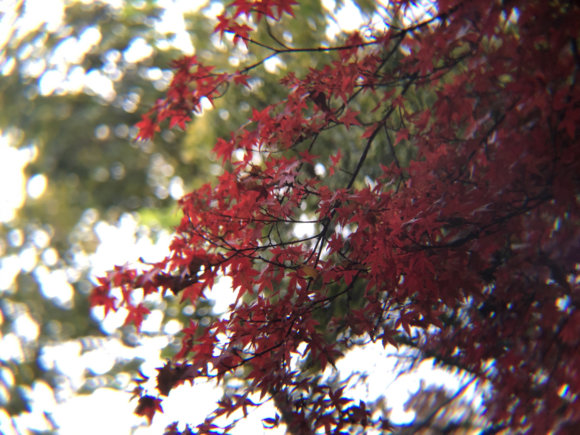
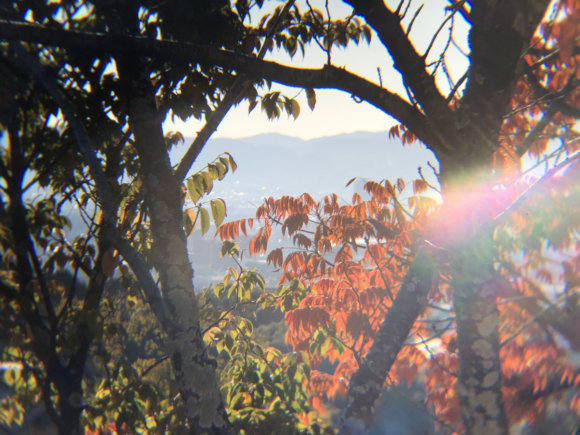
Here's a shot taken with the lens attached to an iPhone 8. The iPhone's camera might have been a bit too big for the lens, because the edges of the photo are warped, but in a way that's kind of artsy. The iPhone 8 doesn't have an optical telephoto zoom like the latest models, so I was able to get a shot I normally couldn't have.
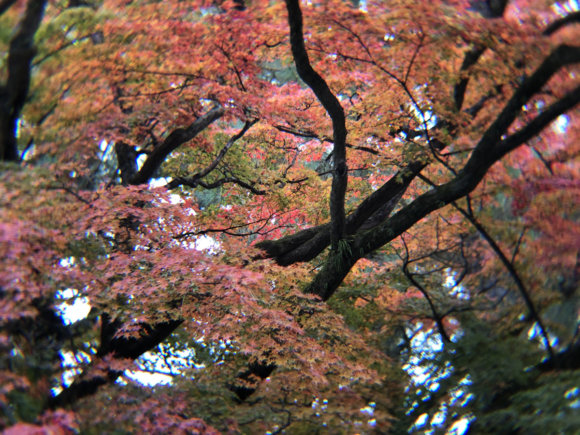
I also got a zoomed shot of the autumn leaves at a park. Next, I tried shooting the city of Kyoto from Kiyomizu-dera.

The left edge is in shadow, but the city stretches out clearly into the distance. For comparison, here's a shot from an actual mirrorless camera, the Sony "α7 III."

Comparing it against a 200,000-yen (about 1,400 USD) DSLR-class camera is admittedly unfair, but if you look at things like the windows of the buildings, you could argue the smartphone lens is actually getting close in terms of resolved detail.

The pattern on the roof tiles — a distance you'd normally need a DSLR for — is also crisp. Overall, the picture has kind of a film-camera feel to it.
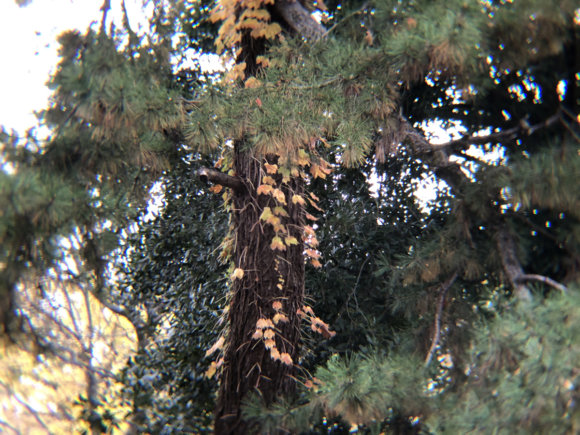
I was also able to zoom in on a tree way off in the distance.
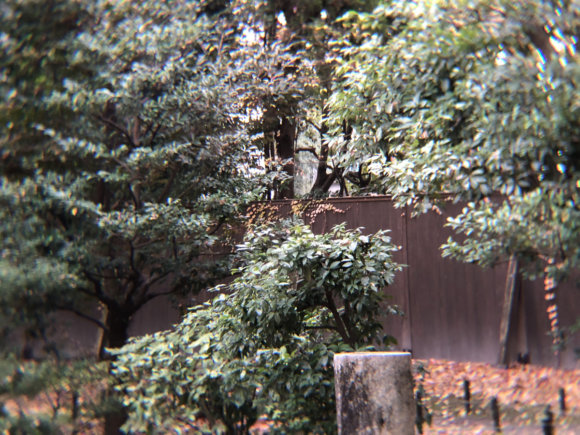
Being able to zoom really does broaden what kinds of shots you can take.
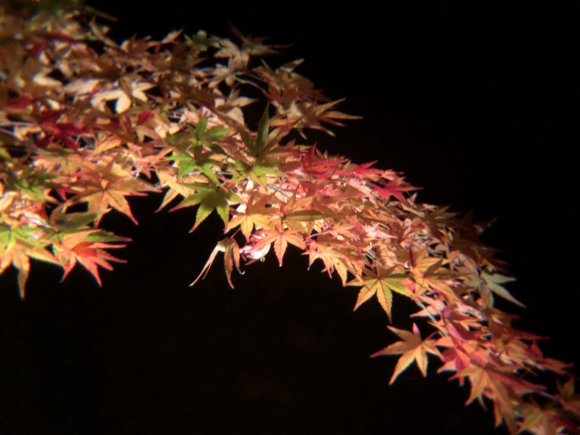
This one is the autumn leaves at night. I was able to get a clean shot even from far away. Nighttime shooting with a phone camera is a nightmare for camera shake, so I had to fire off a lot of burst shots.
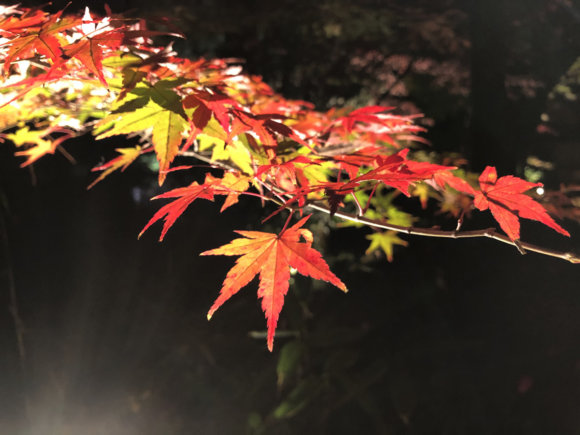
By the way, when the subject is something you can just walk up to, you'll get a cleaner shot without the lens. Anything that isn't zoom or macro looks better with nothing attached.
Easy Zoom Shooting Is Convenient, But…
Attachment is fiddly and image quality is so-so, but compared to using digital zoom — which is just stretched out and ugly — this lens will give you a noticeably cleaner shot. The iPhone 11 Pro can digital-zoom up to 10x, but the more you zoom, the rougher it gets.
These days there are smartphones with 108-megapixel sensors, and even the iPhone 11 can do 2x optical zoom — phones are evolving fast. But for those moments when you want to give your camera setup a little extra punch on top, this kind of lens can earn its keep. That said, attachment and camera shake are subtly tricky, so for shots that really matter, you're better off using a digital camera and not risk blowing them.