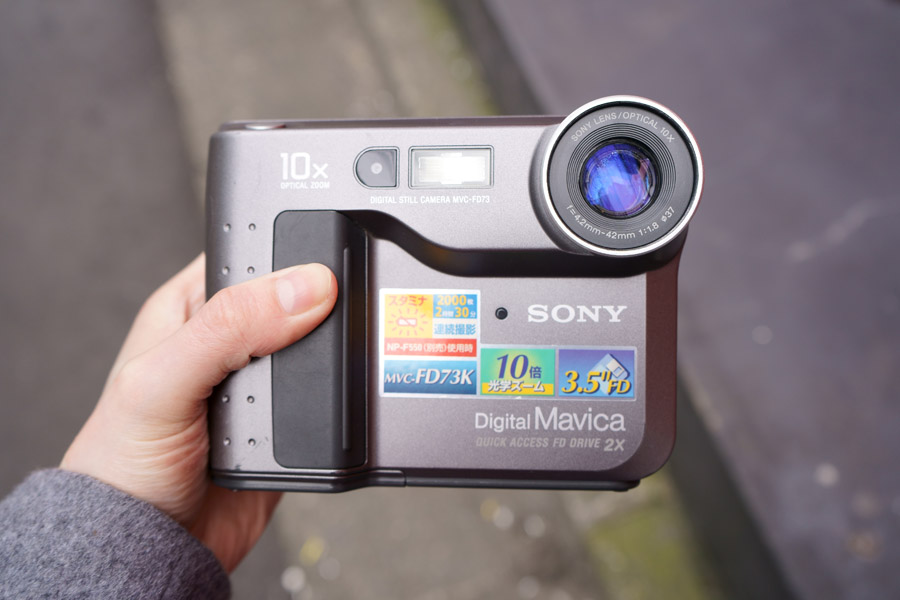
Twenty years ago, in an era before smartphones existed, I picked up an old digital camera and took it out for a shoot. The camera is the "MVC-73K," part of Sony's Digital Mavica series of digital still cameras, released on May 20, 1999. Some of you might have used a camera like this to capture the moment the year 2000 rolled in. The main specifications are as follows.
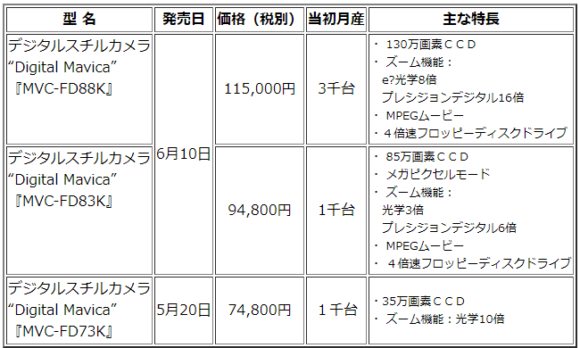
Higher-end models like the FD-83K could also record video, but the unit I picked up is the entry-level model, so it has no video function. With 350,000 pixels (0.35 megapixels), today it can't even compete with a webcam, but in exchange it comes with a powerful 10× optical zoom. The price was 74,800 yen — a bit pricey for a digital camera by today's standards. Incidentally, that's the exact same price as the iPhone 11. When you consider that the same amount of money now buys you a device that handles calls, the internet, games, and photography all at once, the 20 years of progress are staggering.
Recording Media is Floppy Disks Only!
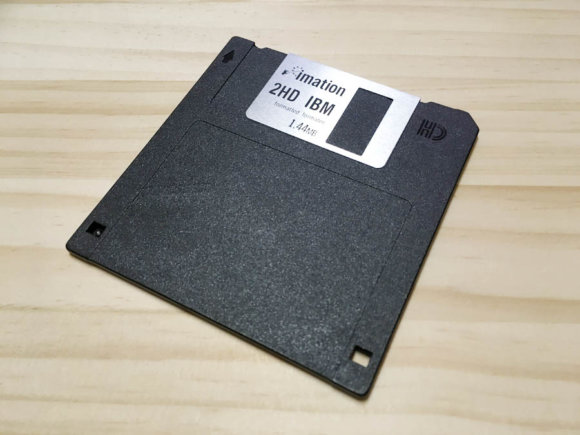
A floppy disk I bought when I heard production was being discontinued, then forgot about and stashed away in storage.
The recording media is now-rare 3.5-inch floppy disks — and only floppy disks. Despite being a Sony product, it doesn't even support Memory Stick. The SD card, which is now the de facto standard, was only developed and announced on August 25, 1999 (per Wikipedia), so by the time this camera launched, SD cards had only just barely failed to make it to market. In this era, floppies were the cheapest and most widely-distributed media around, which is probably why they were chosen.
Sony itself stopped producing floppy disks in 2011, so they are no longer being supplied, but because they were once so widely adopted, even as of 2020 you could still buy new ones from Amazon.
Update February 8, 2025: I never thought you'd still be able to buy them in 2025.
That said, they cost about as much as a 128 GB USB stick, which feels expensive for what is essentially an old antique. These days, you probably only have a chance to use one when working with old equipment. You insert it into the side of the camera like this.
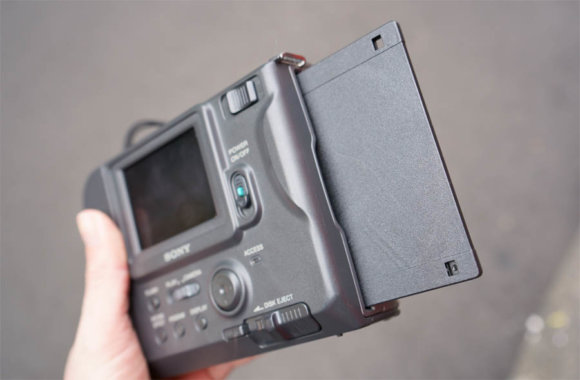
The fact that the camera has an FDD built into it is amazing. Yet despite that, the body itself feels surprisingly compact. By the way, a single floppy holds about 18 photos. (NORMAL mode at FINE image quality.)
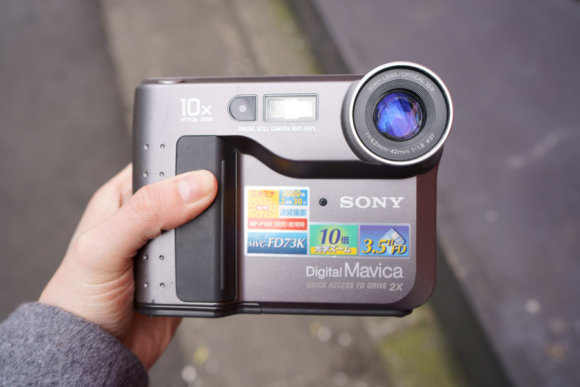
Even with the battery in, it's pretty light, and being on the larger side it fits well in the hand.
Once you load a floppy, you're ready to shoot. Time to go check out the crystallization of the era's tech!
A Surprisingly Rich Set of Shooting Options
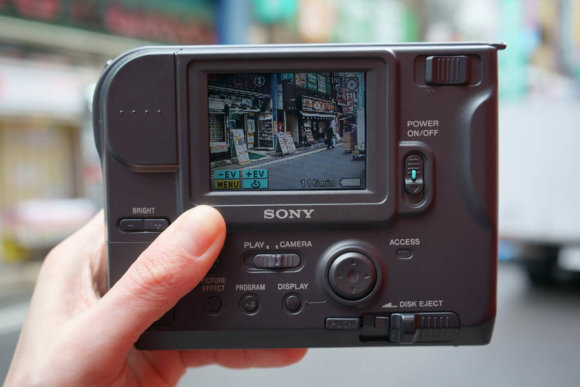
The back of the body has plenty of buttons. You can adjust brightness, set the flash, choose program-auto mode, and configure filters. Filters let you take photos with monochrome or sepia tones, and program-auto mode automatically adjusts settings for landscape or portrait shooting. As an aside, perhaps because this era didn't pursue miniaturization as aggressively as today, the buttons were laid out clearly and were actually easier to use than modern cameras. What is progress, anyway? You can also pick the recording format from the menu.

NORMAL just takes regular photos. E-MAIL generates, alongside the regular photo, a separately compressed tiny photo for email attachment. (Also known as: it eats up your precious floppy capacity.) BITMAP, as the name suggests, takes uncompressed bitmap photos. I gave it a try, and since there's no JPEG compression noise, the results came out comparatively clean.
However, since one photo takes up about a whole floppy's worth of space, you literally get one shot per disk. Only the floppy aristocracy who can burn through them like water can afford this option. MULTI processes the photo into a tiled effect, but I couldn't figure out where you'd ever use this. It's like a hard-to-use filter by today's standards.
Photographing the Streets of Tokyo in 2020
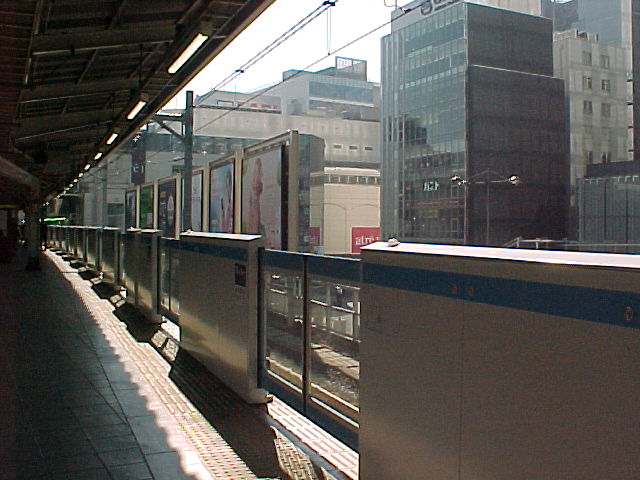
I took the camera out to photograph Tokyo on the eve of the Olympics. I set the image quality to the higher "FINE" setting and uploaded the shots straight from the camera. First photo. Platform safety doors that didn't exist back then end up looking like they've been there forever. There's a kind of "Heisei era" vibe to it, I think.
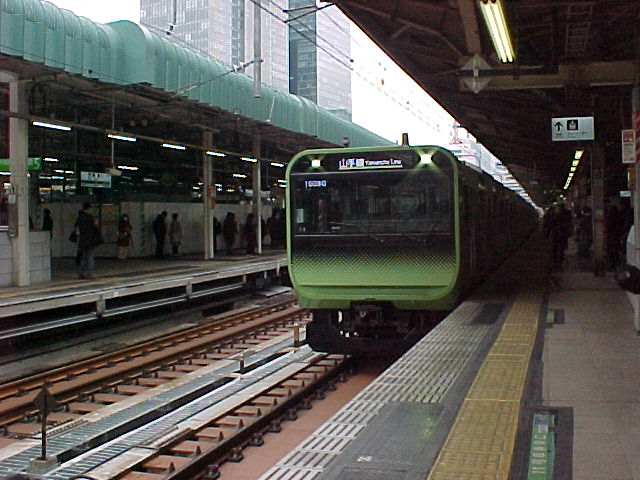
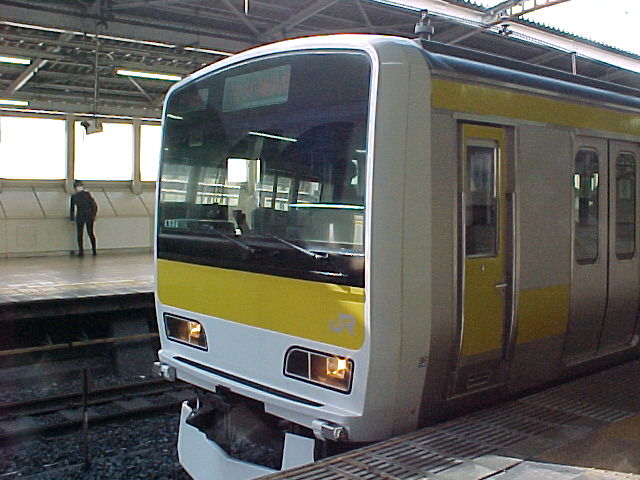
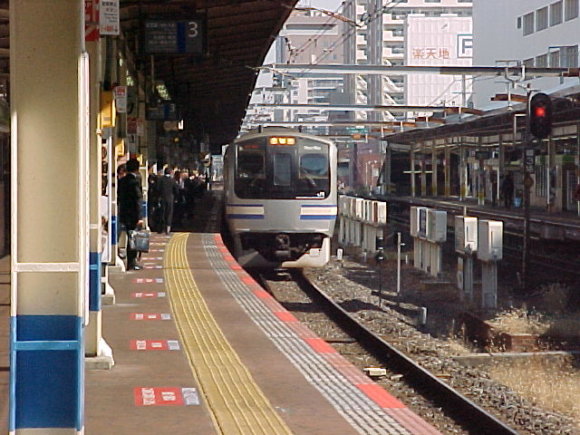
Even the Yamanote Line trains, which only debuted in 2015 and should look new, end up looking dated.
The new Akihabara Radio Kaikan. Doesn't look new at all.
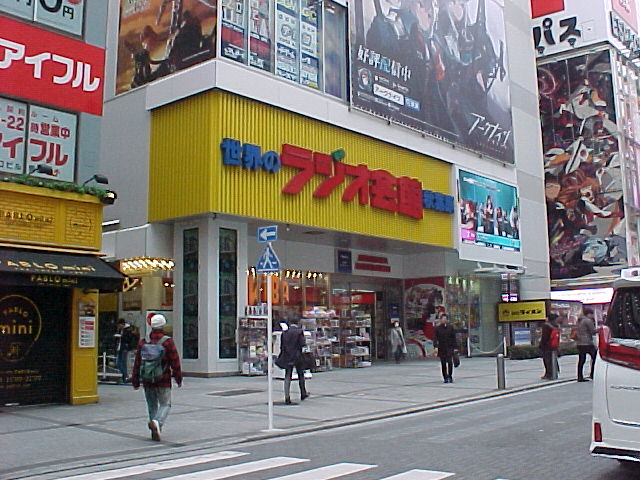
I tried to capture the atmosphere of Akihabara as it would have looked back in the day. If this site had existed 20 years ago, photos like these might have been on it.
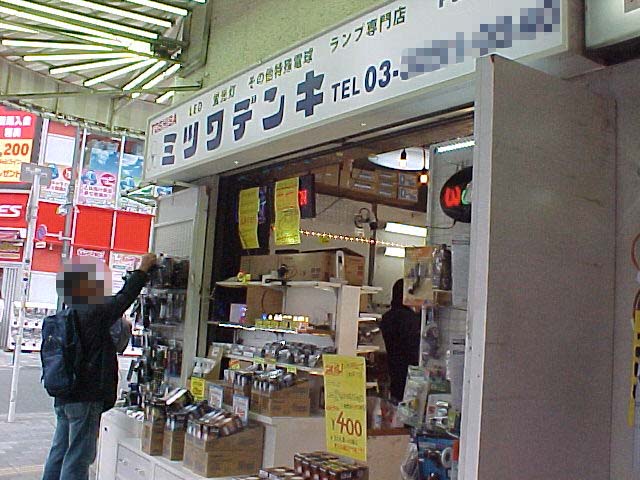
A view of Akihabara.

A train that's come over from the Yamanote Line to the Chuo Line.
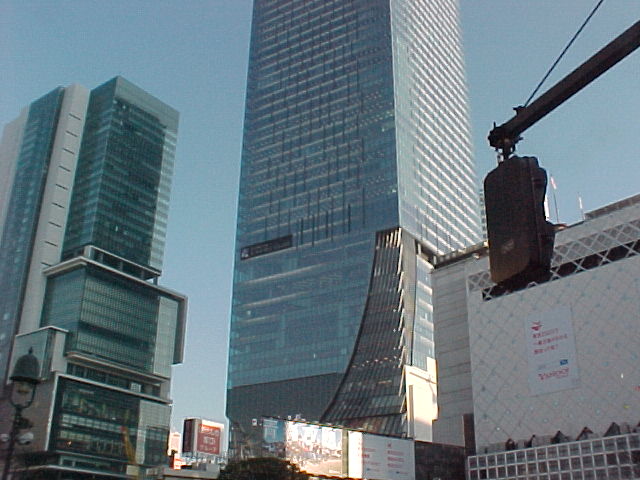
The newly-opened Shibuya Scramble Square.
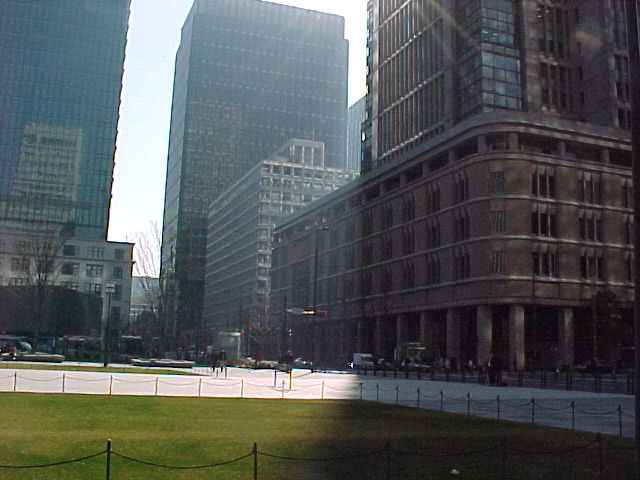
Tokyo Station.

The 10× optical zoom is pretty powerful — even from a distance, you can capture this much detail. You can even make out the individual bricks.

Around Tokyo Station.
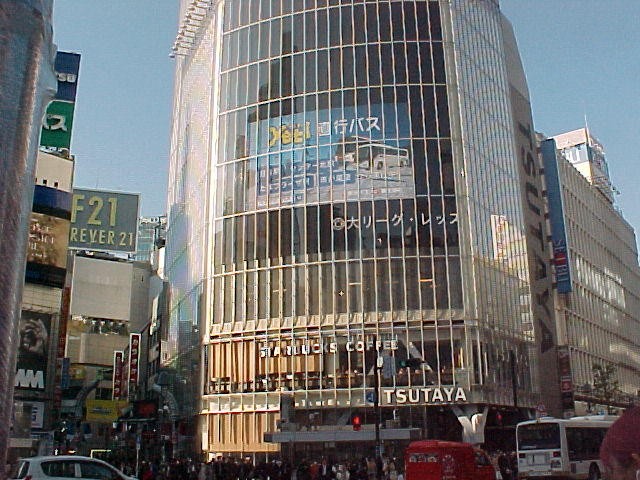
Shibuya.
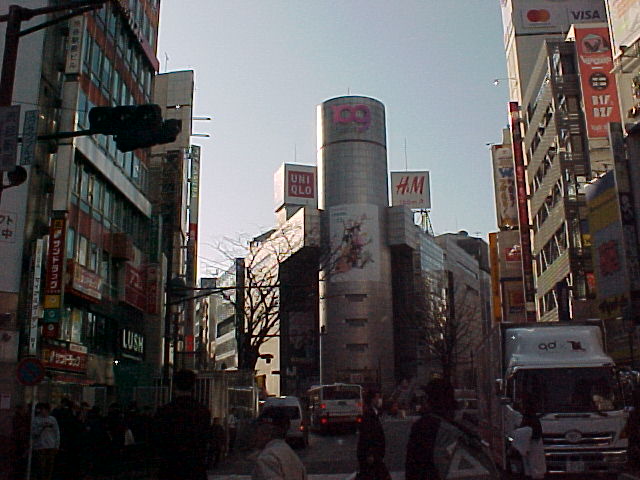
The new 109 logo clashes amusingly with the dated image quality.
A Theory: Maybe It's Still Usable Today, As Long As It's Just a Thumbnail
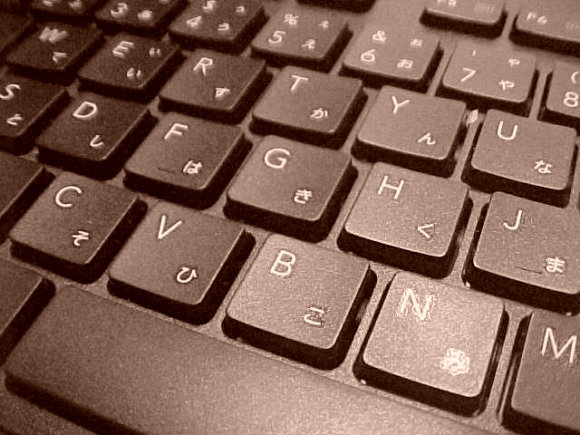

If you shrink them down small enough, the rough quality didn't even tip people off that they were taken with an old camera, so a theory has emerged that you can still use it normally today. Honestly, at thumbnail sizes around 100 px wide, you might not even notice anything is off. And because the resolution is so low, you barely need to bother blurring out license plates or pedestrians' faces, which made editing way easier. Personally, I find it a pretty easy camera to use (?). Then again, since using floppies in this day and age is kind of a hassle, you're probably better off just shooting with your phone.
Looks Handy for Faking Old Photos Today
This time my subjects were all modern things, but if you photographed objects that have been around since back then, you could easily produce shots that look like they were taken decades ago — perfect for, say, a "time slip" prank on a friend. It's not exactly practical in the modern day, but I thought it was a pretty interesting camera.