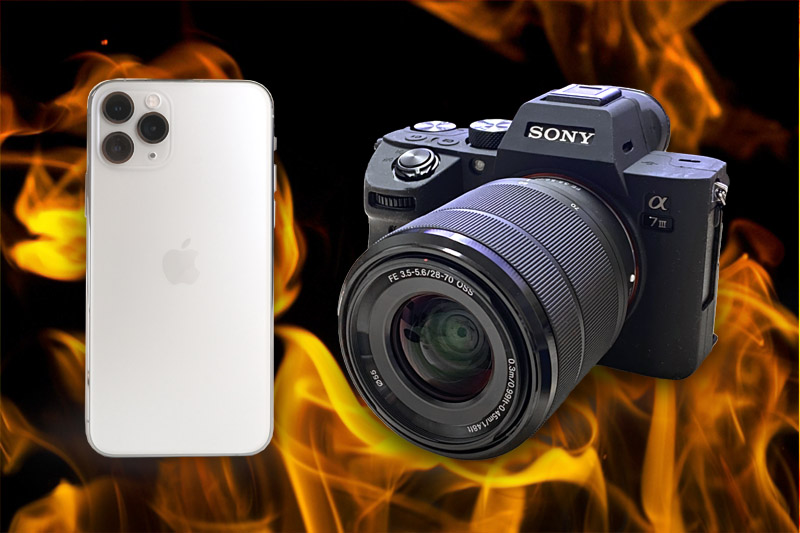
The iPhone camera is so polished that people often praise it as being "on par with a DSLR" — but can that tiny camera really pull off shots that match a real DSLR? In this article, we set up an iPhone camera and a proper DSLR and pit them against each other in a serious, no-holds-barred showdown.
Shooting date: 2019
"Apple iPhone 11 Pro" VS "SONY α7III"
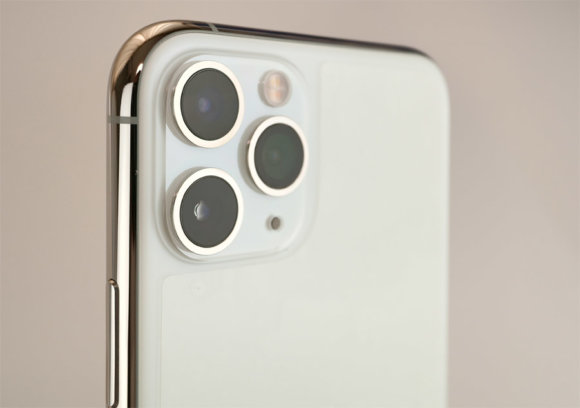
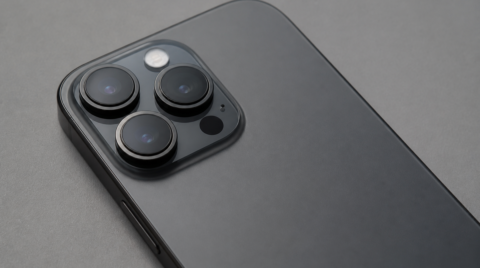
For this matchup, we brought in the iPhone 11 Pro — famous for its "tapioca camera" bump. Apple themselves put a huge amount of effort into describing the camera on their official site, so you can really sense how serious they are about it. When it comes to mobility, of course, there's no contest — the iPhone wins by a landslide.
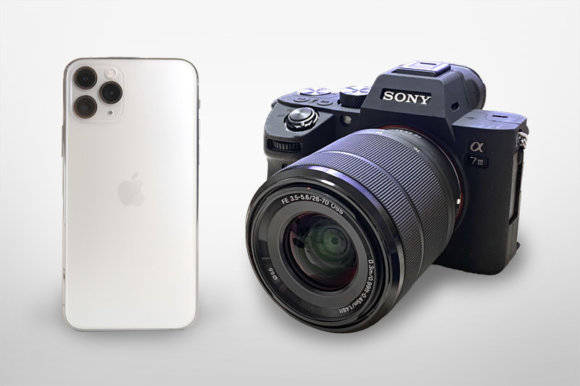
On the DSLR side, we used the full-frame mirrorless SONY α7III. It costs around 200,000 yen — a genuine, no-compromises full-frame body. Ideally we would have tested with something more compact, but this time we deliberately went with a full-frame model. As for the lens, busting out a G-lens worth several hundred thousand yen would have been a bit much, so we stuck with the standard kit lens.
Even factoring in sensor size, the α7III has every advantage — but we wanted to see just how close the iPhone could get to a real DSLR.
A Look at the Specs
| Apple iPhone 11 Pro (Wide) | SONY α7III | |
| Image sensor | 1/2.55-inch SONY image sensor | 35mm full-frame SONY ExmorR CMOS sensor |
| Pixel count | 12 megapixels | About 24.2 megapixels |
| Recorded resolution | 4032 x 3024 | 6000 x 4000 |
The sensors themselves are both made by SONY. For reference, comparing the actual sensor sizes side by side looks roughly like this.
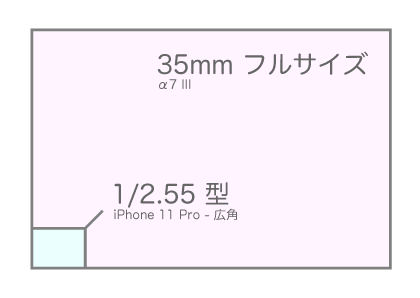
The wide-angle camera in the iPhone 11 Pro uses a 1/2.55-inch sensor, which is considerably smaller than full-frame. The bigger the sensor, the more light it can pull in, so low-light shooting in particular is going to be tough on the iPhone. The hardware gap is huge — but the real question is just how far iPhone's image-processing software can close it.
Autumn in Kyoto: The "Foliage" Showdown
Time to compare some shots of autumn leaves in Kyoto. All photos are straight out of camera with no post-processing, but for fair comparison the α7III shots have been resized down to the iPhone's dimensions, and rotated where necessary.
[twenty20 img1="4121" img2="4114" direction="horizontal" offset="0.5" align="right" before="iPhone 11 Pro" after="α7 III" hover="true"]
[twenty20 img1="4116" img2="4115" direction="horizontal" offset="0.5" align="right" width="100%" before="iPhone 11 Pro" after="α7 III" hover="true"]
[twenty20 img1="4118" img2="4117" direction="horizontal" offset="0.5" align="right" width="100%" before="iPhone 11 Pro" after="α7 III" hover="true"]
[twenty20 img1="4119" img2="4120" direction="horizontal" offset="0.5" align="right" width="100%" before="iPhone 11 Pro" after="α7 III" hover="true"]
The yellow of the ginkgo leaves comes out noticeably different between the two. The iPhone shots look quite a bit sharper overall. The result is crisp, but in the last shot it feels just a little overdone — borderline too punchy. That said, once you scale them down and apply a bit of light editing, the differences between the two basically disappear. For blog-sized photos, the iPhone is more than enough.
You can also really see the depth-of-field difference — the background bokeh that's part of the joy of a DSLR — which gives the photos a different sense of depth and atmosphere. If you want background blur on the iPhone, "Portrait Mode" can fake it to some degree, but it still can't be called fully polished — even for shooting people, let alone landscapes.
Tokyo Night Photography Showdown
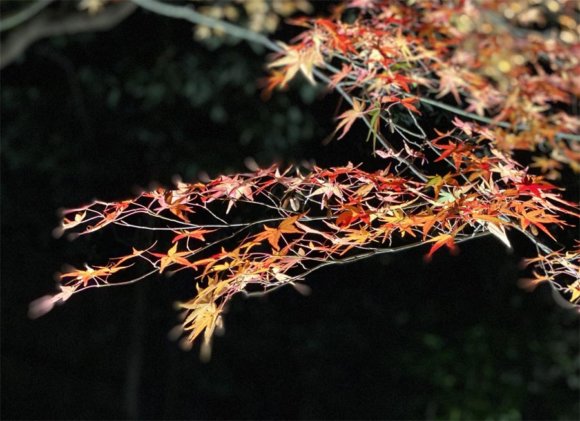
Moving the location to Tokyo, we compared some night-scene shots.
[twenty20 img1="4678" img2="4677" direction="horizontal" offset="0.5" align="right" width="100%" before="iPhone 11 Pro" after="α7 III" hover="true"]
[twenty20 img1="4684" img2="4683" direction="horizontal" offset="0.5" align="right" width="100%" before="iPhone 11 Pro" after="α7 III" hover="true"]
Both were shot handheld. The iPhone's shot is a little soft.
The DSLR Wins, of Course — But...
As you'd expect, the DSLR comes out with cleaner photos, but the iPhone is honestly putting up a respectable fight. For serious creative work, you'd start to hit some limits on the iPhone.
The DSLR's higher pixel count is another real advantage — you can crop into the frame and pull out just the part you need. The iPhone shows more visible noise, so if you want to crop in and use only part of a shot, it might take a bit more effort.








![Newsed Phone Opens Store for Used iPhones With 100% Battery Capacity [PR]](https://claypier.com/wp-content/uploads/2026/07/newsedphone-battery-100-iphone-480x236.png)