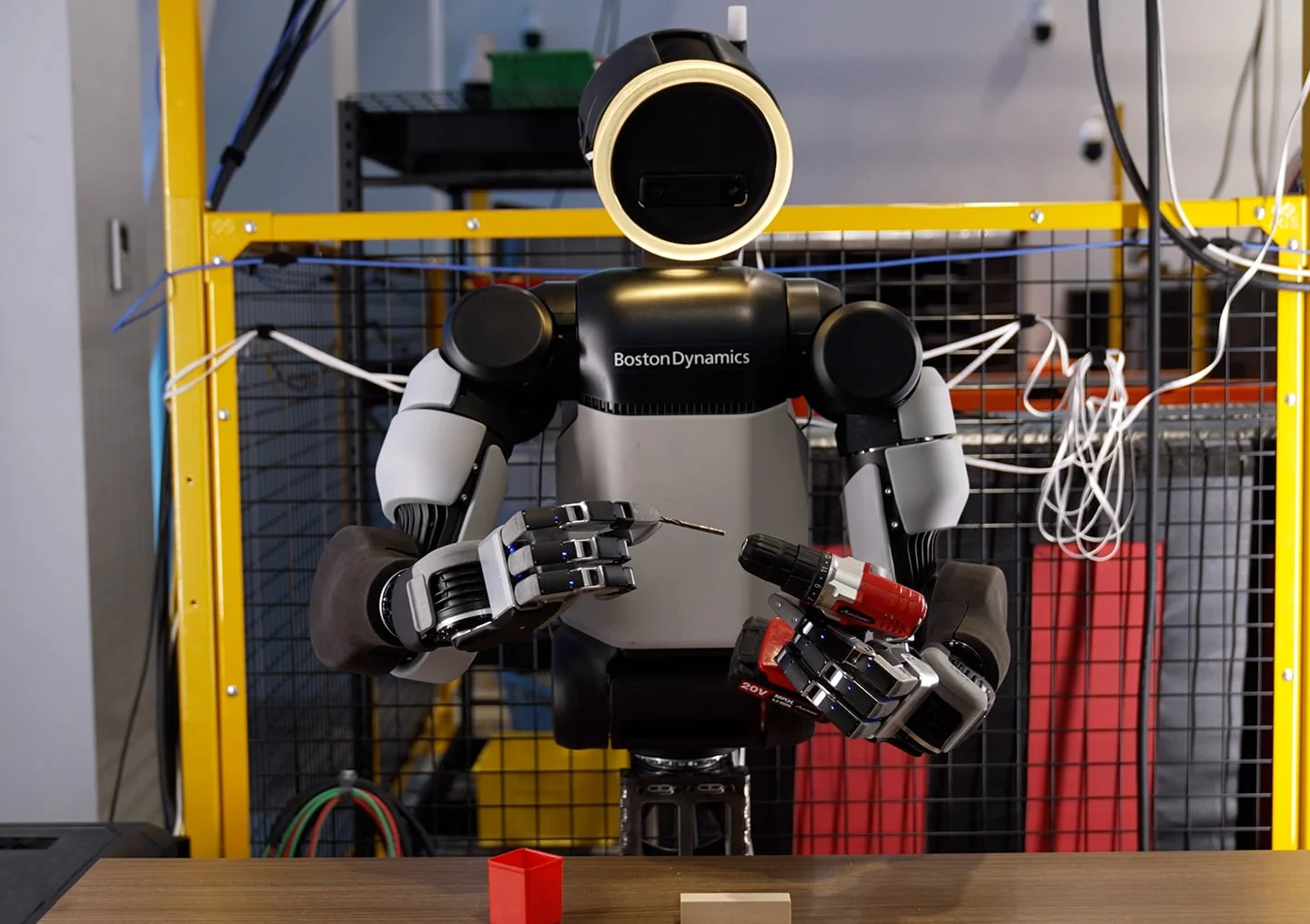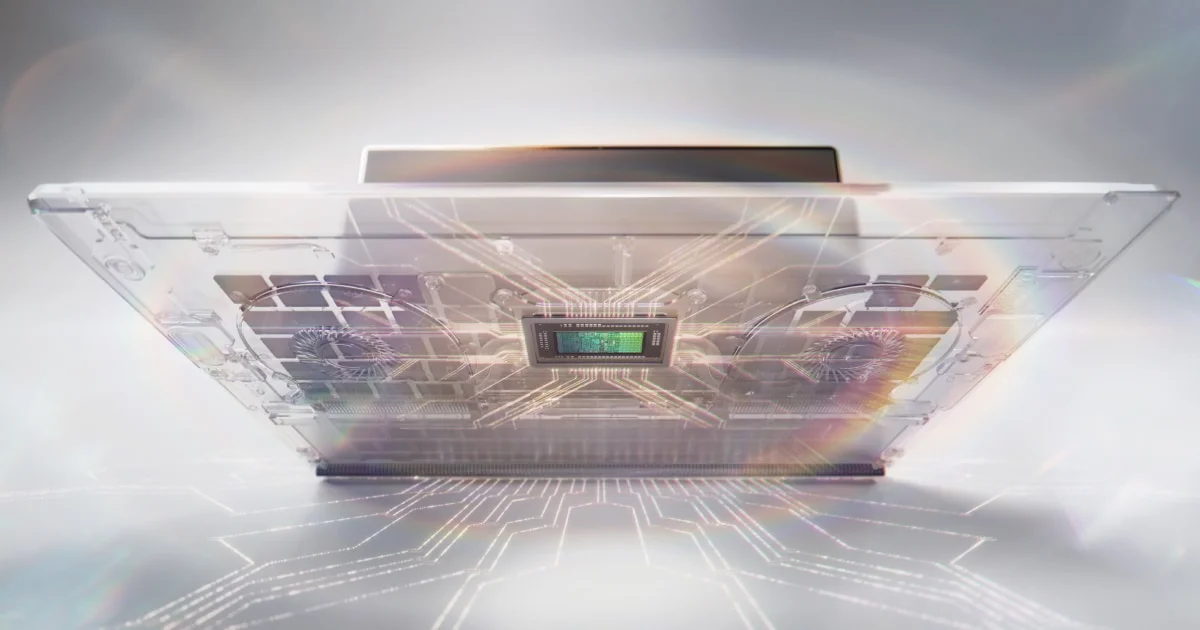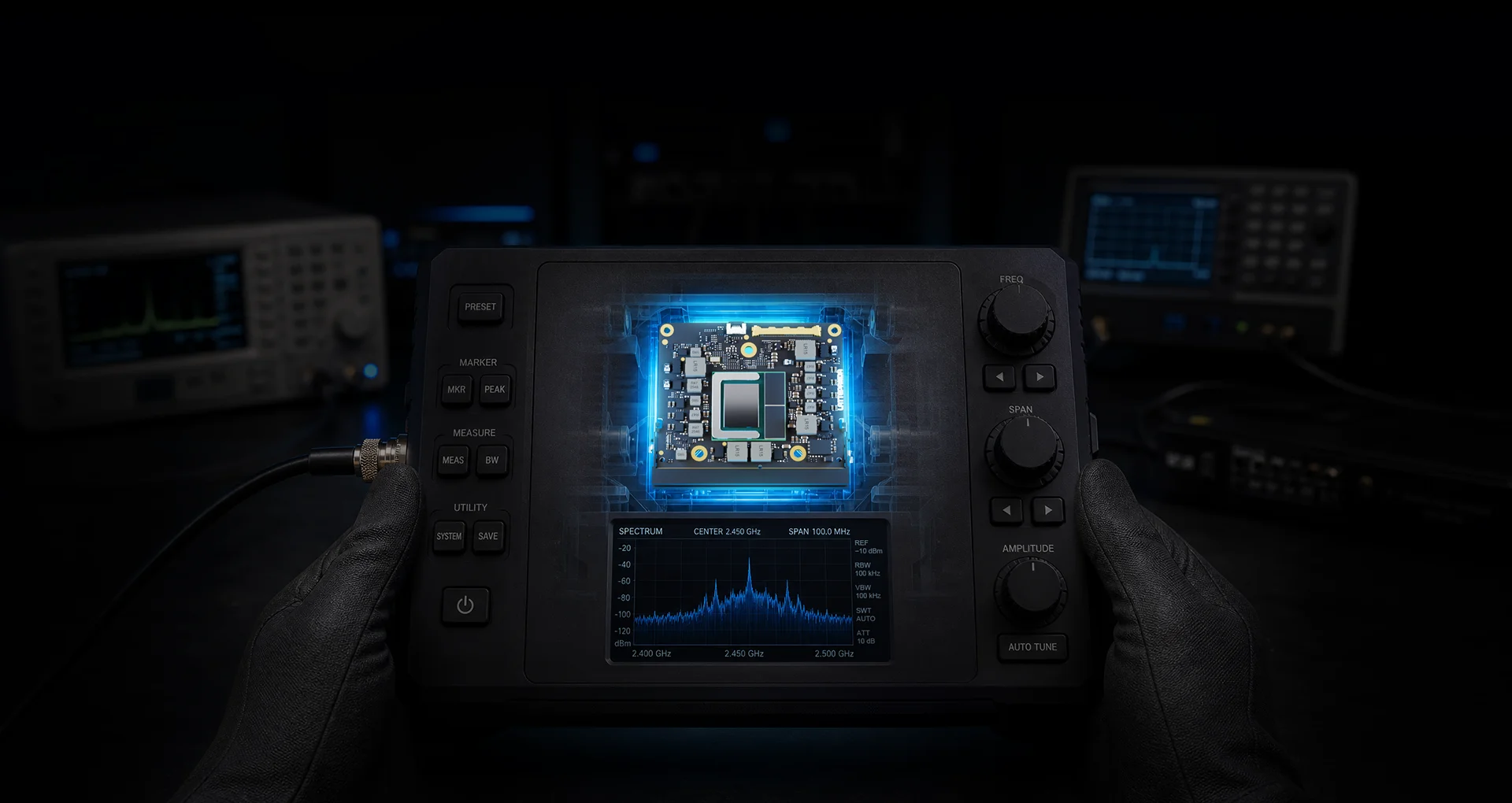

On May 20, 2026, Intel announced that its Intel Core Ultra Series 3 processor — which integrates a CPU, GPU, and NPU onto a single chip — is becoming a new standard for edge AI robots[1]. Robotics developers around the world have begun adopting and testing a design that handles vision, language, and motion processing on a single chip, doing away with the expensive, heat-generating discrete GPU that has traditionally served as a robot's "brain"[1].
An "Inference-First" Design That Drops the Discrete GPU
Intel Core Ultra Series 3 is the platform unveiled at CES 2026 in January 2026, and the first built on Intel's most advanced process technology, Intel 18A[2]. What Intel is now emphasizing is what this SoC (system-on-chip) architecture means for the robotics field.
To run AI on a robot, it has typically been common to add a discrete GPU separate from the CPU[1]. However, once a robot has finished training, the work it does in the field centers on inference — rapidly "executing" judgments it has already learned[1]. Intel says that by integrating the CPU, the GPU, and the always-on vision AI engine NPU onto a single piece of silicon, it can reduce the heat and cost of the machine's "brain"[1].
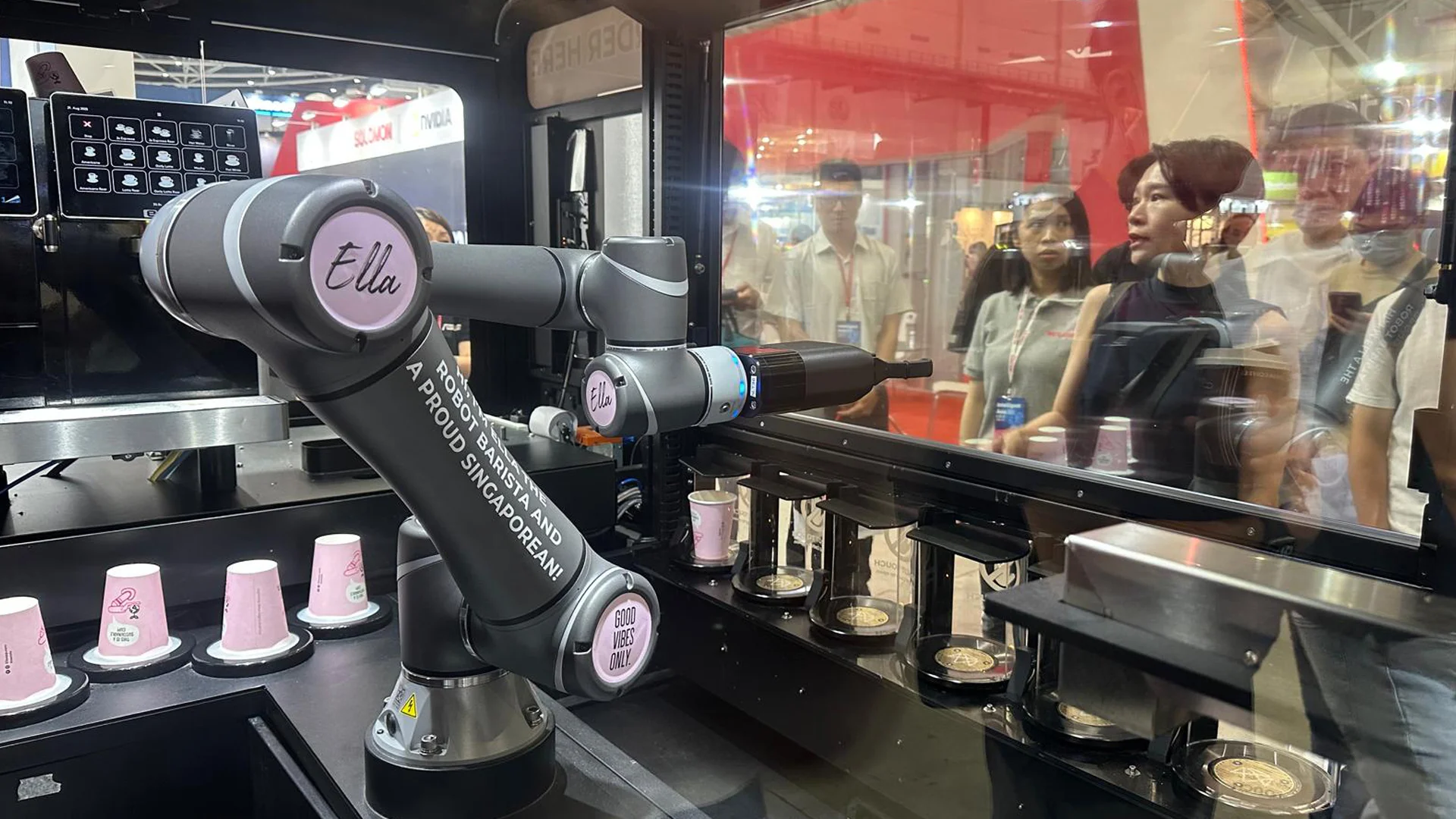
A concrete example is Ella, a barista robot developed by Singapore's Sensory AI[1]. Since the launch of Core Ultra Series 3, the company has fully switched Ella's internal architecture from a discrete GPU to an Intel-only architecture[1]. Keith Tan, a former café owner and now the company's CEO, recalls that under the previous setup the GPU cost more than the entire system, and says a design matching a café's return on investment was necessary[1].
Running Three AI Agents Concurrently, to Be Shown at Computex
By moving to a single chip, Ella can now run three dedicated AI agents at the same time[1]. The "Avatar Agent" handles customer interaction, the "Ella Agent" learns store-level business patterns, and the "Guardian Agent" performs high-level reasoning about system health — each assigned to the part of the SoC best suited to it[1]. For example, when a problem such as cups stuck together occurs, the Avatar Agent notifies the customer while the Guardian Agent reasons about how to recover[1].
According to Intel, this configuration will be shown in full at Computex 2026, held in Taipei, Taiwan in June 2026[1]. There, Ella will serve up to 200 drinks per hour while running three new dedicated AI service agents concurrently on Core Ultra Series 3[1]. The pitch is that different processing tasks are divided up within the chip, without the delay of sending data to a distant cloud server[1].
Robotics Companies in the U.S., South Korea, and Italy Adopt and Test It
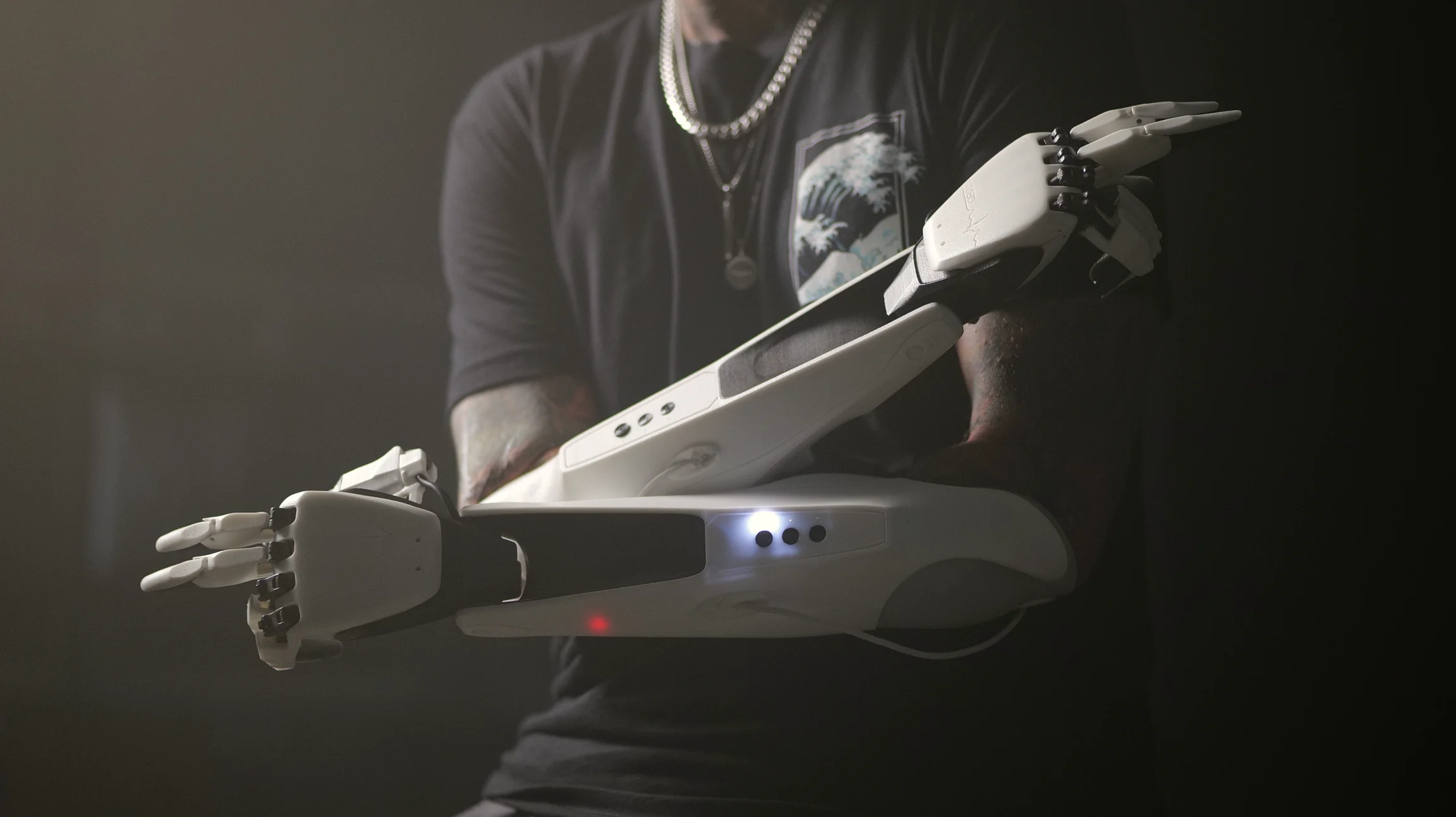
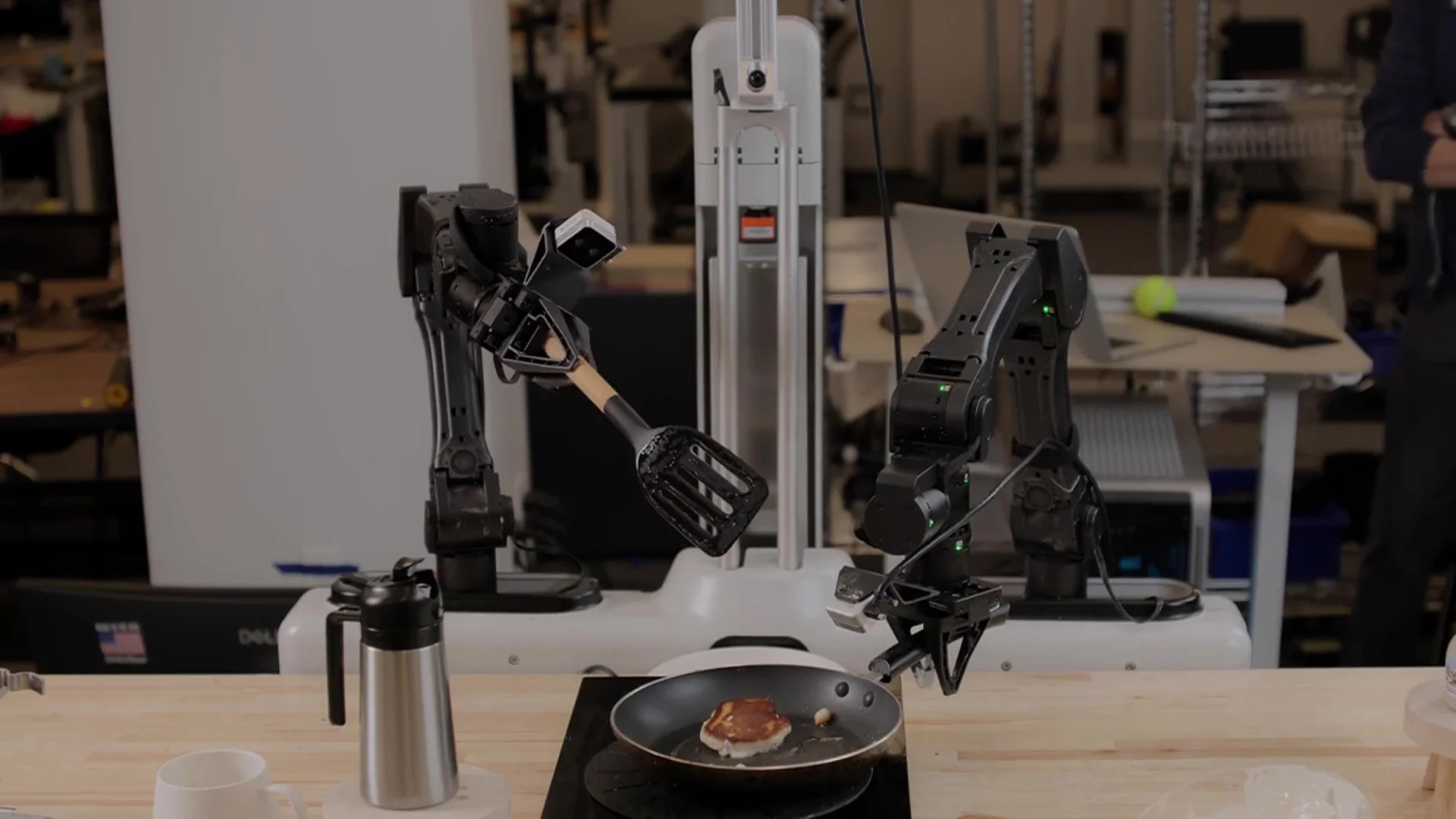
Beyond Sensory AI, several robotics companies have begun trying Core Ultra Series 3[1]. Illinois-based Trossen Robotics, which develops robotic arms for industries such as food service and manufacturing, began testing the processor in 2026[1]. Marc Dostie, the company's Principal Solutions Architect, praised x86 as the architecture with the widest developer adoption and said its input/output performance is on par with NVIDIA's Jetson[1].
South Korea's Circulus runs a modular, open-architecture OS on Core Ultra Series 3 and is advancing its application to humanoid and industrial platforms[1]. The company prioritizes zero-latency, privacy-first on-device AI, aiming for robots that operate reliably even offline[1]. Italy's Oversonic Robotics builds humanoid robots for pick-and-place work on manufacturing floors and rehabilitation support in healthcare settings; while it uses discrete GPUs for training, it is shifting to a configuration that runs on Core Ultra Series 3 alone during operation[1].
According to figures Intel presented at CES 2026, in edge AI processing Core Ultra Series 3 reaches up to 1.9x the large language model performance, up to 2.3x the performance per watt per dollar on end-to-end video analytics, and up to 4.5x the throughput on vision language action (VLA) models, compared with NVIDIA's Jetson Orin AGX (64GB)[2].
Summary
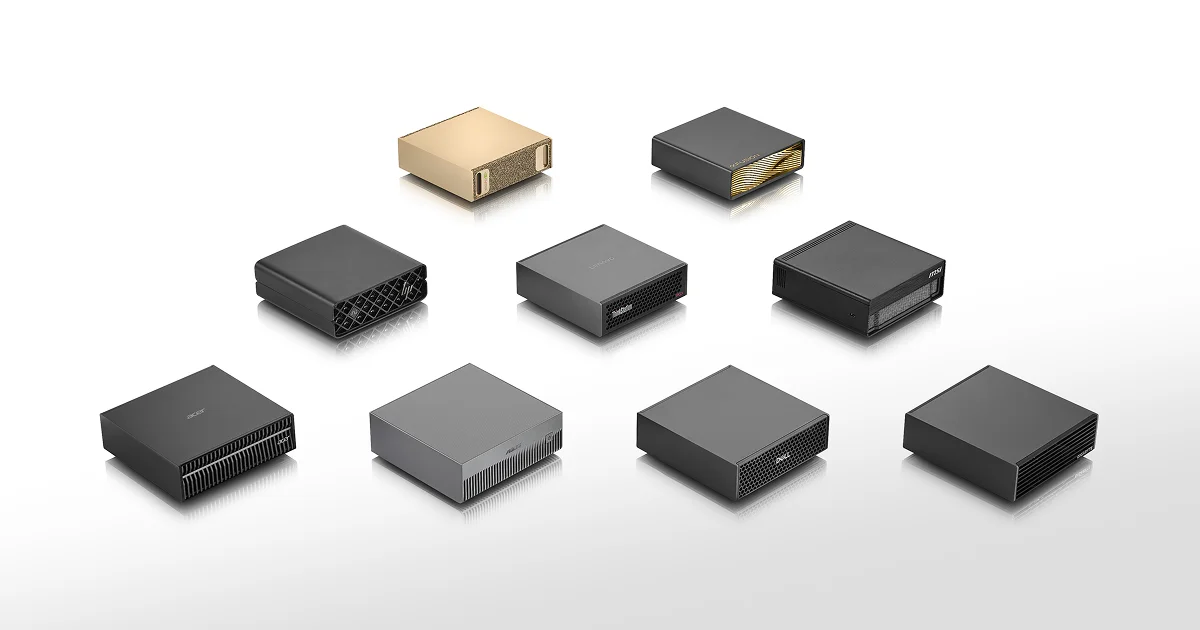
Dropping the discrete GPU and running a robot on a single chip that integrates the CPU, GPU, and NPU — what Intel is pitching is not just raw performance, but the idea of a "brain that fits into the real world," one that accounts for heat, cost, and ease of operation. Edge systems began shipping in the first quarter of 2026[2], and the live demonstration at Computex 2026 looks set to be the next proving ground.
出典:[1] https://newsroom.intel.com/artificial-intelligence/intel-core-ultra-series-3-for-edge-ai-robotics