KDDI and KDDI Smart Drone announced on November 27, 2026 (JST), the results of a bear-countermeasure trial in the mountains of Kamisunagawa and Minami-Furano, two towns in Hokkaido, Japan. Cameras placed where mobile signals do not reach sent their images over the satellite service "au Starlink Direct for IoT," and when AI judged that an image showed a bear, the towns were alerted. At a town's request, a drone permanently stationed in the area reached the scene in about 15 minutes.
Camera images from outside coverage travel by satellite, and AI picks out bears
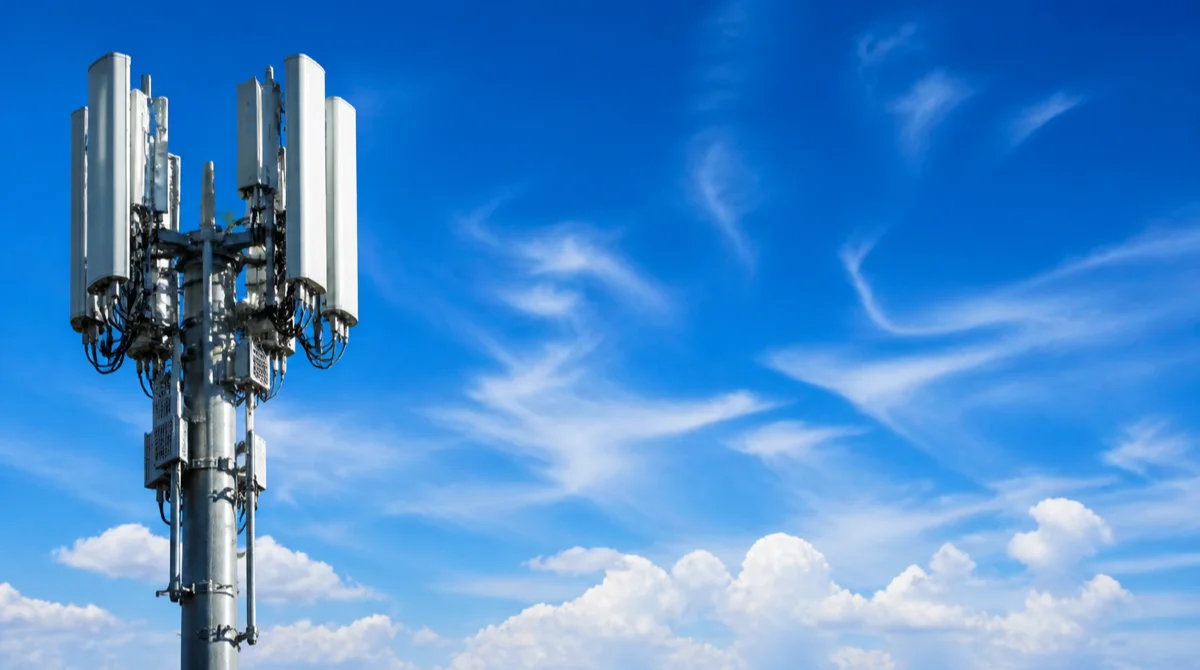
The trial ran from October 1 to November 26, 2026. A total of eight IoT sensor cameras with motion sensors, supplied by Hike, were installed in the mountains of the two towns. The cameras take a picture when they detect an animal moving. At sites within coverage, images are uploaded automatically right away; at sites outside coverage, they were sent once every two hours using au Starlink Direct for IoT.
AI then evaluates the incoming images. Using about 11,600 images taken during the trial, the companies say they confirmed that the AI could identify bears without mistaking deer or wild boar for them. The companies have not disclosed how many times a bear was detected during the trial.
Town email systems and warning lights raise the alarm, and a drone checks the scene
When the AI identifies a bear, the photo and the result are sent to the email systems of both towns. At the same time, a rotating warning light installed inside a municipal facility switches on. KDDI receives the same notification.
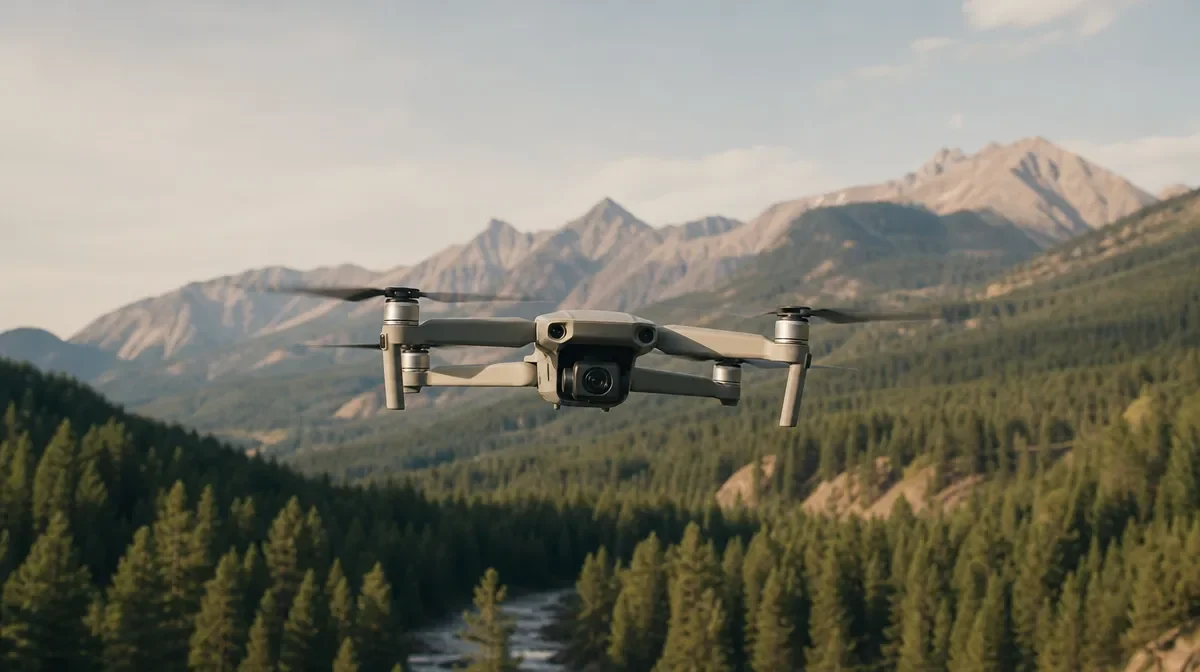
After receiving the alert, the town checks and approves it, then asks KDDI Smart Drone to fly. The trial used the "Skydio Dock for X10," a drone port permanently installed in the area; a photo in the announcement shows it in Minami-Furano. The drone reached the scene about 15 minutes after the notification, according to the companies.
The three companies divided their roles as follows.
| Company | Role |
|---|---|
| KDDI | Planning and design of the trial, au Starlink Direct for IoT and LTE connectivity, development of AI image recognition |
| KDDI Smart Drone | Installation and operation of the "Skydio Dock for X10" drone port |
| Hike | Supply of the IoT sensor cameras |
Staff shortages and dead zones had made on-site checks difficult
According to the announcement, bear sightings are occurring one after another across Japan, with frequent incidents that threaten human life, including injuries. When a sighting is reported, municipal staff and local hunting associations go to check the site, but in some areas there are not enough people to respond quickly.
The other problem is connectivity. Bear habitats and the places where traps are set are mainly in mountain areas, including places with no mobile coverage. As a result, even when cameras were installed, their images sometimes could not be checked remotely. The trial aims to address both problems with satellite communication and drones.
au Starlink Direct for IoT is a service that KDDI and Okinawa Cellular Telephone announced on April 23, 2026. It lets IoT devices communicate directly with Starlink satellites, so they can send data from places such as mountains and remote islands where au's signal does not reach. Examples of uses given at the time included remote meter reading and river water-level monitoring, as well as wildlife-damage countermeasures such as checking whether traps have caught animals.
Seeing the situation before staff go out, with a solution targeted by fiscal 2027
The two companies say they confirmed that bear detection and on-site checks can be handled remotely even in mountain areas without coverage. They say this reduces the burden of patrolling traps and checking sites, making it possible to respond with fewer people. Because staff can understand the situation before heading out, it leads to a faster initial response and better safety for staff and residents, the companies say.
A cooperating municipality commented that sending staff directly to places where a bear may be present poses challenges for both safety and efficiency, and that a system for checking remotely is very effective. KDDI and KDDI Smart Drone aim to begin offering a bear-countermeasure solution by fiscal 2027 (the Japanese fiscal year). As of this writing, they have not disclosed pricing or how it will be offered. The same details were also published in KDDI Smart Drone's press release.
Our Take
The ability to send images from mountains with no coverage is the core of this system. If camera placement is no longer limited to areas with a signal, it should be possible to watch remote areas where bears appear often. And if a drone can be over the scene about 15 minutes after an alert, staff can see what is happening before approaching a place where a bear may be.
On the other hand, transmissions from outside coverage happen only once every two hours, which could mean a delay of up to roughly two hours between a photo and the alert. Bears can move a long way in a short time, so there will likely be cases where the drone arrives and cannot find the animal. The companies also have not said how many of the roughly 11,600 images actually showed bears or how often bears were missed, so it is still hard to judge the AI's accuracy.
Even so, for municipalities short on staff, simply reducing the number of times people must be sent into the field is valuable. When the service launches, the key points to watch will be how the alert interval and the cost are designed.
Summary
KDDI and KDDI Smart Drone combined satellite communication, AI, and a permanently stationed drone in a trial in two Hokkaido towns that alerted municipalities to bears and checked the scene even in mountain areas without coverage. The effort is relevant to municipalities that lack staff for bear countermeasures and to regions with forests outside mobile coverage. The companies aim to start offering the solution by fiscal 2027.