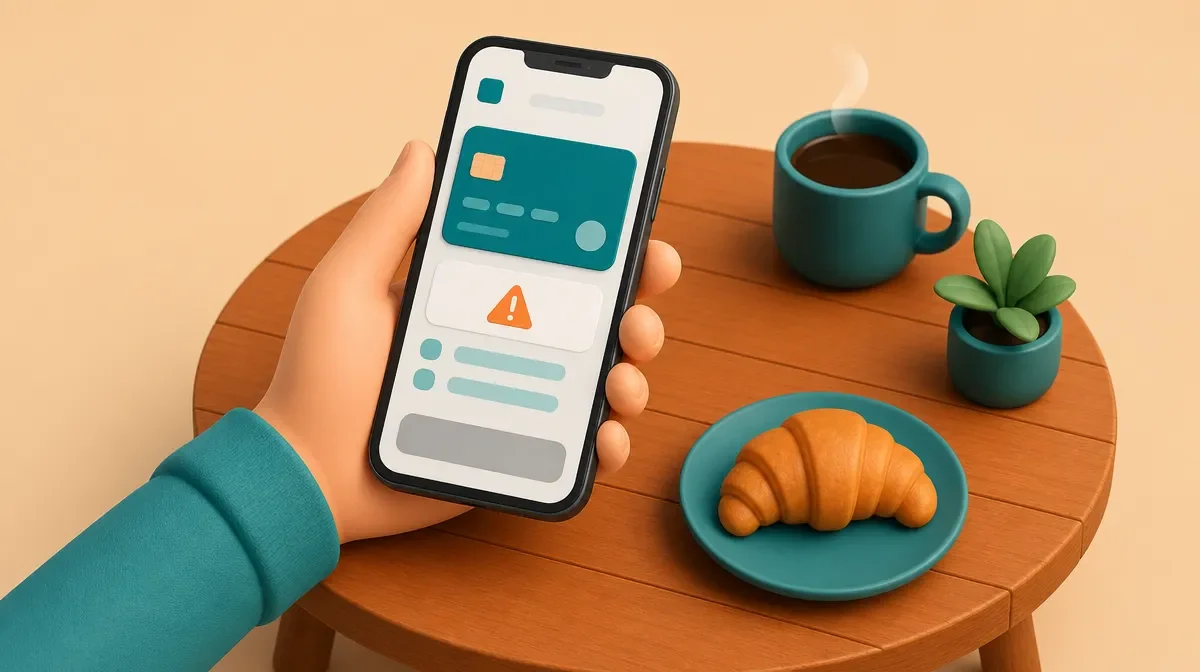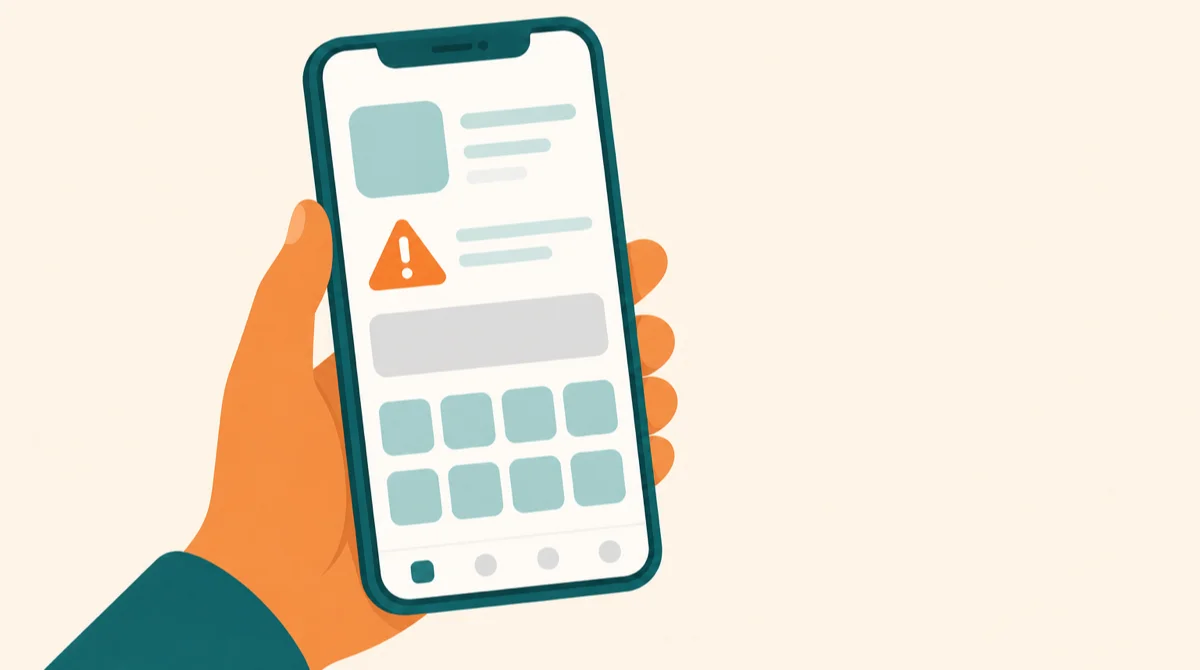
The Council of Anti-Phishing Japan issued a warning on November 25, 2026, about phishing emails impersonating Dai-ichi Life, a major Japanese life insurer. According to the council, the emails and the fake sites they link to try to get recipients to install malicious apps on Android smartphones. When an email claiming to be about insurance procedures arrives, the safe approach is not to open its links and to check through official channels instead.
Subject Lines Mimic Insurance Payouts and Account Checks
Phishing is a type of fraud in which emails or SMS messages that impersonate real companies lure people to fake sites in order to steal personal information or get them to install malicious apps. The council listed the following examples of subject lines seen in this campaign (shown in the original Japanese with English translations).
- 【第一生命】ご契約を継続いただくためのお手続きについて (Procedures to continue your contract)
- 【第一生命】満期保険金のお受取り手続きが可能です (You can now claim your maturity benefit)
- 【第一生命】年末調整にご利用いただく控除証明書のお知らせ (Notice of deduction certificate for year-end tax adjustment)
- 【お知らせ】第一生命アプリの更新について (About updating the Dai-ichi Life app)
- 【ご確認】保険証券の送付先のご確認 (Please confirm the mailing address for your policy)
- 【お願い】ご登録のご住所・ご連絡先のご確認 (Please confirm your registered address and contact details)
The council listed 10 subject lines in total and said even these are only some of them. A notable feature is that they cover topics policyholders might actually receive, such as maturity payouts, year-end tax adjustment, and address checks. With the year-end approaching, genuine notices such as deduction certificates are also common in Japan, making fakes harder to tell apart.
The Goal Is Installing Malicious Apps on Android
What stands out about this campaign is that it does not just ask for IDs and passwords; it tries to get users to install malicious apps on Android smartphones. Among the fake sites the council confirmed, some distributed the app file from a cloud service.
Such malicious apps are typically installed directly from a link, bypassing official app stores. In other words, it is dangerous to follow instructions such as "please update the app" on a page reached from an email link and open the file. The council has not disclosed what the installed app actually does.
The council also said that, as of 3 p.m. JST on November 25, the emails were still being sent and that similar emails may follow. Many fake site addresses have been observed, so it is difficult to judge whether a site is genuine from its address alone.
Steps Users Can Take
The council's recommended countermeasures can be summarized in three points. First, install smartphone apps from official app stores, never from links in emails or SMS messages. Second, do not log in or install Android-only apps via links in emails or SMS messages. Third, always use a spam filter, and if many phishing emails arrive, check that the filter is actually turned on.
For people who keep receiving large volumes of phishing emails, the council suggests considering a new email address with a mail service that has features to make legitimate emails easier to identify. The council's website also has a frequently asked questions page for people who have already entered their information.
Dai-ichi Life itself also warns about suspicious sites and emails impersonating the company in the "Important Notices" section of its website. If an email about a contract raises concerns, it is best to check via the official site opened directly, not through the link in the email.
Our Take
Insurance contracts often last for decades, and many people are likely to react to words like "maturity benefit" or "deduction certificate." The subject lines are cleverly crafted, and spotting them as fakes at a glance will probably be difficult.
On the other hand, this campaign relies on installing apps from outside official stores, so sticking to one rule, "never install apps from email links," goes a long way. Rather than trying to spot fake subject lines, deciding never to install from links is the more realistic defense.
Summary
Phishing emails impersonating Dai-ichi Life are circulating in Japan, aiming to get recipients to install malicious Android apps. This concerns not only Dai-ichi Life policyholders but anyone who receives emails posing as insurance or financial procedures. The council warns that similar emails may continue, so users should avoid installing apps from links.
References: