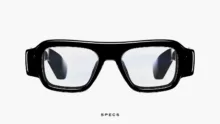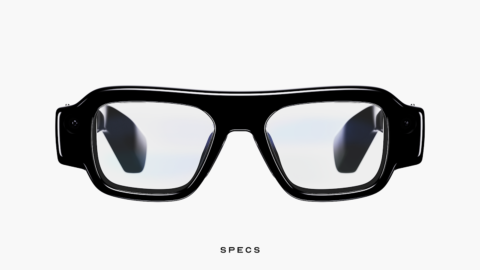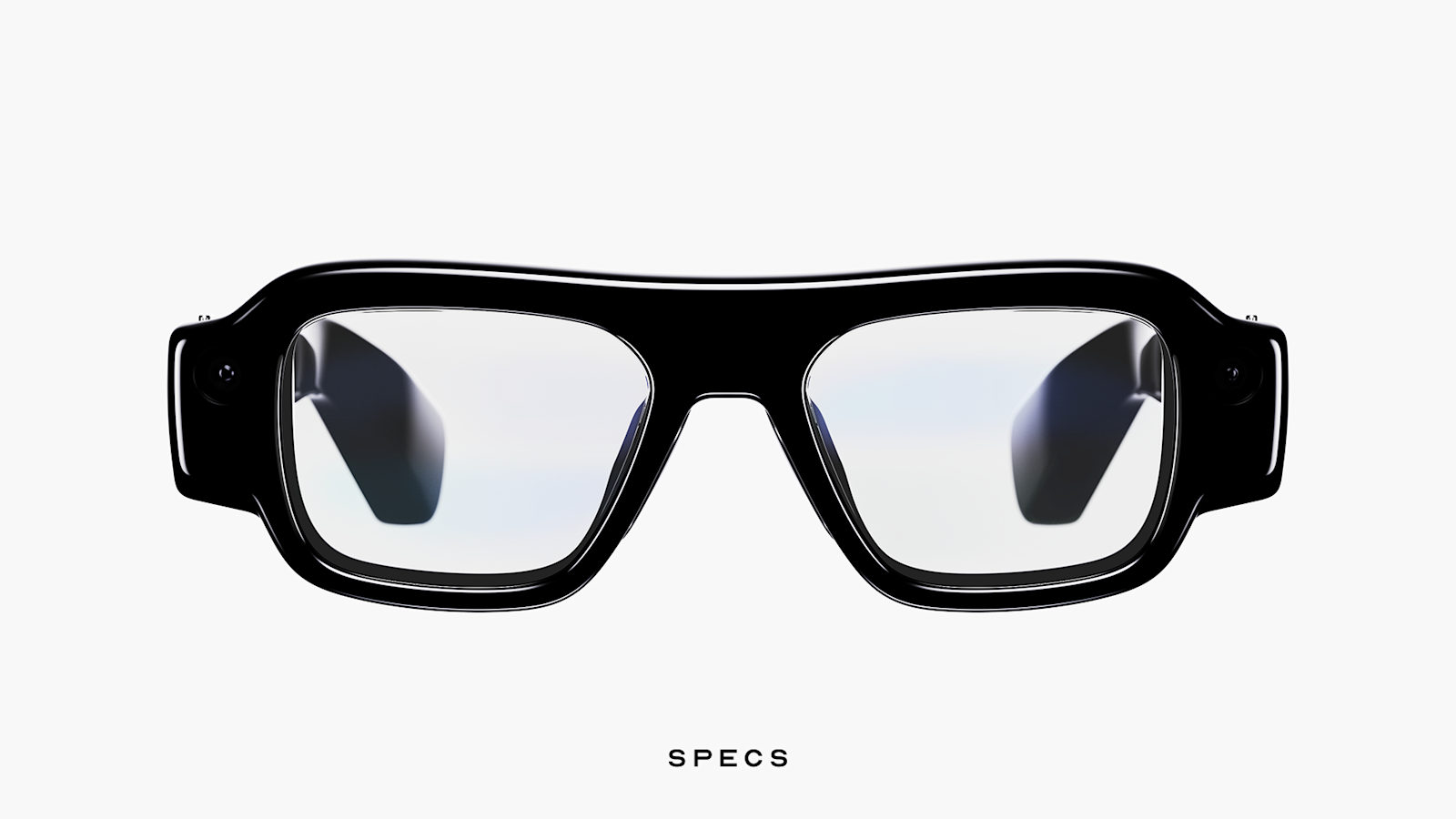
Snap, the U.S. company behind Snapchat, held a launch event in Los Angeles on September 16, 2026 (local time) with a series of announcements built around its Specs AR glasses. The centerpiece is Specs Intelligence, a new AI service that learns the user's schedule and goals and proactively surfaces information. Snap also introduced the Specs Charging Case with Cellular for staying connected away from Wi-Fi, a broad set of new AR experiences spanning video streaming, sports and translation, and an enterprise program with Salesforce, AWS and NVIDIA. The Specs glasses themselves remain available for pre-order at 2,195 USD (about 340,000 yen), with shipping expected this fall in the United States, the United Kingdom and France.
Specs Intelligence: An AI That Acts Before You Ask
The headline item is a new AI service carrying the Specs name. Snap calls it an anticipatory AI. Where conventional chat-based assistants wait for a prompt, Specs Intelligence learns a user's goals, priorities, relationships and routines from the apps and tools they choose to connect, then offers information and next actions at moments when help is likely to be useful.
Snap's examples include summarizing the decisions to make, questions to ask and points to remember before a meeting, or gathering flight, hotel and dinner reservations for an upcoming trip while flagging a work deadline that falls during the stay. The service also includes Corners, which organize information by area of life such as work and family, and Goals, which let users set targets and track progress toward them.
Notably, the service runs on iPhone and Mac as well. It can be used without the AR glasses, and when the user is wearing Specs, that personal context extends into their field of view. While traveling, saying Hey Specs brings up flight and hotel details in front of the eyes; before heading to work, asking about the day returns a morning briefing with a schedule overview and meeting prep where possible.
Rollout comes in two stages. Anyone 18 or older in the United States can install the Specs app for iOS and try the preview without an invitation. The mobile preview is limited to connecting a Google account and visualizing where the user's time and attention go based on Gmail and Google Calendar; it does not include the anticipatory suggestions or actions. The fuller experience is offered as invitation-only early access through the Mac app, with users who join the waitlist on the official site or in the app receiving email invitations over time.
On privacy, Snap says the service is designed so that its personnel cannot view or access the personal content users bring to it, and that content from connected accounts will not be used to train or fine-tune its AI models or to serve personalized ads. Processing combines on-device work with secure cloud infrastructure.
A Charging Case With Built-In Cellular
When Specs were announced in June, Snap specified up to four hours of mixed-use battery life on the glasses and up to 20 hours with the included charging case. The company is now adding a higher-end version of that case, the Specs Charging Case with Cellular. Like the standard case, it holds four additional charges; the difference is the added cellular connectivity.
In the United States, Verizon is the partner, providing custom data plans, financing, digital setup and hands-on experiences at select stores. The Specs Connected Case bundle, which includes the cellular case, is priced at 2,395 USD (about 370,000 yen), a difference of 200 USD (about 31,000 yen) over the glasses alone. Eligible customers can choose a 36-month payment plan. Wearable data plans start at 10 USD per month (about 1,600 yen) for Verizon customers and 20 USD per month (about 3,100 yen) for non-Verizon customers.
Snap is also partnering with Orange in France and EE in the United Kingdom, with data plans to be offered through each carrier and pricing still to be announced. Since outdoor navigation and video streaming depend on connectivity, an option that removes the need to tether to a smartphone is a meaningful practical addition.
Cinema-Sized Video, NBA Drills and Subtitles in 60 Languages
The hardware is unchanged from June: a display built on Snap's own LCoS (liquid crystal on silicon) technology with a 51-degree field of view, and a fully standalone design powered by two Snapdragon processors. What has expanded considerably is the lineup of experiences running on it.
For entertainment, the Specs browser streams YouTube, HBO Max and other services on a virtual screen that feels like a 115-inch cinema display placed about 10 feet away. Spotify integration handles music, and in partnership with HBO Max, Snap is bringing content tied to the HBO Original Series Harry Potter and the Philosopher's Stone, which premieres this Christmas, to Specs.
In sports, Snap is working with the NBA and WNBA on basketball training experiences that layer visual guidance, drills and progress cues onto the real world. Soccer and golf training Lenses are also on offer, and next year ALO Wellness Club will bring guided experiences covering movement, recovery and mindfulness. Educational titles include Apollo 11, an interactive recreation of the moon landing, and Starmap, which overlays constellations on the surroundings.
For everyday use, Translation shows subtitles for someone speaking a foreign language directly in view, with support for 60 languages; walking navigation overlays directions on the world after the user types or speaks a destination; and Tripadvisor for Specs finds nearby restaurants and landmarks, translates reviews and converts currency. For shopping, the Shopify Catalog lets users browse products in 3D and place them at full scale in their room to check the fit.
For work, Snap highlights wireless connection to a computer to extend the workstation beyond the desk, a Whiteboard app for brainstorming and diagrams, and support for Bluetooth peripherals such as keyboards.
Connected Lenses for Two People and a Redesigned Snapchat
A distinctly AR feature is Connected Lenses, which let two Specs wearers share a digital experience in the same physical space. The initial lineup consists of Dominoes featuring NBA player Jimmy Butler, Chess and Table Tennis. Unlike a headset, the glasses leave the view open, so players can see the face of the person sitting next to them.
Paired with a phone over Bluetooth, Specs can take calls, show notifications and play music. Snapchat itself has been redesigned for Specs, allowing users to take a Snap by snapping their fingers or start a hands-free video call so friends can see what they see.
On privacy, Snap says Specs do not use facial recognition to identify people, do not record the world in order to understand it, and do not continuously record or save audio, video or photos. When the wearer takes a photo or records video or audio, a prominent external LED in the center of the frames lights up or flashes to alert people nearby.
Specs for Enterprise With Salesforce, AWS and NVIDIA
Alongside the consumer push, Snap laid out an enterprise program. Partners include Salesforce, Amazon Web Services (AWS), NVIDIA, Trifork and Hololight, with the aim of delivering information, guidance and collaboration into the field of view for work that does not happen at a desk, such as retail floors, factories and field operations, while keeping hands free.
Salesforce is bringing its Agentforce AI agent platform to Specs, letting employees identify what they are looking at, create a case for an issue, surface relevant information and update a workflow without switching to a separate screen. With AWS, Snap is working to connect Amazon Quick, the AI assistant for work, to Specs; in retail, for instance, an associate could ask where a product is located or how many are in stock and get the answer directly in view.
With NVIDIA, Snap is developing agents built on the NVIDIA XR AI stack that run on Specs, understand the worker's surroundings and draw on company data to provide real-time guidance. Trifork's Tandem connects on-site technicians with remote experts and AI agents, letting experts add visual annotations directly in the technician's view. Hololight turns Specs into a spatial workstation via video streaming, giving access to tools, documents and 3D models from anywhere. Snap adds that it is working with device management vendors on the mobile device management (MDM) and security controls enterprises need to deploy at scale.
Hands-On Demos in Los Angeles From October 1; No Word on Japan
Specs are priced at 2,195 USD (about 340,000 yen) and can be pre-ordered on the official site with a refundable 200 USD deposit. Shipping is expected this fall in the United States, the United Kingdom and France. Beginning October 1, a Specs First Look venue opens at Westfield Century City in Los Angeles, where visitors can try live demos and meet members of the Specs team, with new experiences added through the holiday season.
※1 USD = 156 JPY (as of September 17, 2026)
Summary
With the Specs hardware unchanged since June, this event was about making concrete what the glasses can actually do. Specs Intelligence, which acts before being asked and works on iPhone and Mac without the glasses, suggests Snap wants to reach a wider audience than the hardware alone. Together with the cellular charging case and carrier partnerships, a fuller roster of streaming, sports, translation and shopping experiences, and an enterprise effort involving Salesforce, AWS and NVIDIA, Snap is assembling use cases to justify a price of about 340,000 yen. Availability in Japan remains unannounced, and the real test for this leading AR glasses contender will come once shipments begin this fall.