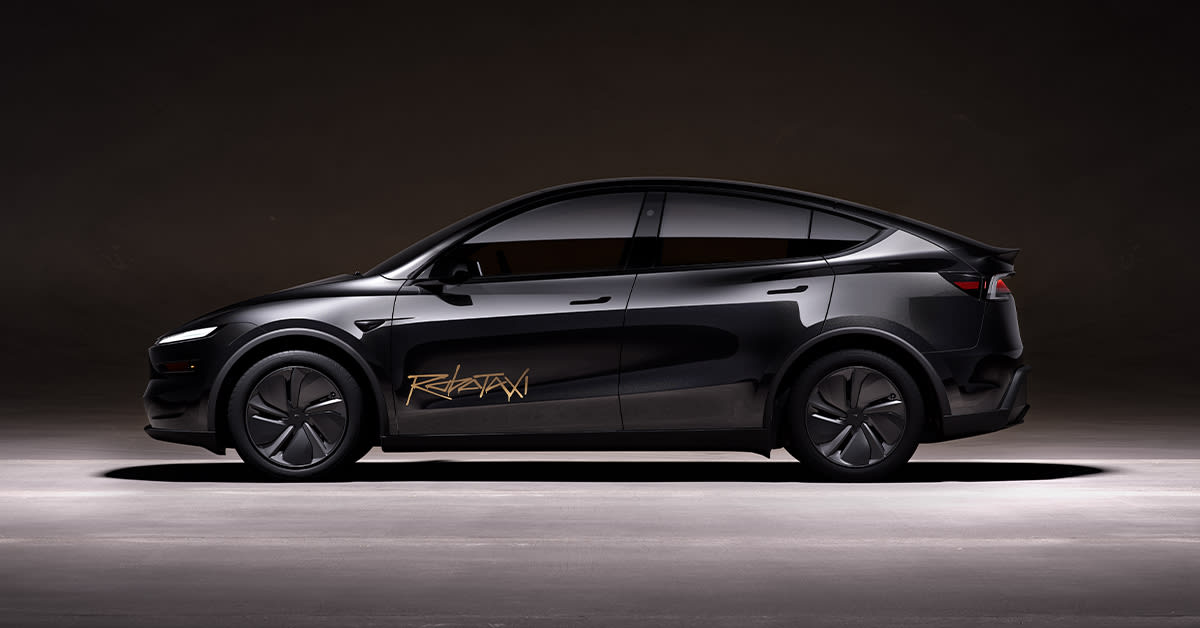
Nevada regulators voted on August 20 to let Tesla, Waymo and Uber subsidiary Aviari Services charge passengers for driverless rides across Clark County, which includes Las Vegas. The caps are 5,000 vehicles for Tesla and 1,000 each for Waymo and Aviari. For Tesla, which had been held to 10 cars only days earlier, that is a change of three orders of magnitude.
A unanimous vote on the AVNC permit
The decision came from a unanimous vote by commissioners of the Nevada Transportation Authority (NTA). All three companies received an Autonomous Vehicle Network Company permit, which allows them to carry passengers in driverless vehicles and collect fares for it. The service area is Clark County, including the city of Las Vegas.
The breakdown is 5,000 vehicles for Tesla, 1,000 for Waymo and 1,000 for Uber subsidiary Aviari Services, each set as a ceiling for the next 12 months. Together that adds up to roughly 7,000 driverless vehicles reaching the same city's streets within a year.
The permits also carry a deadline. Operations have to begin within roughly four months of issuance, so none of the three can simply hold the paperwork and wait.
Uber, for its part, is not expected to own the fleet itself. Reports indicate it will source vehicles through partnerships with Hyundai subsidiary Motional and Amazon-owned Zoox.
From 10 vehicles to 5,000 in a matter of days
What made the vote striking was the contrast with the arrangement in place just before it. An interim order in mid-August limited Tesla to 10 vehicles in service. The company had applied for 5,000, so it had been granted one five-hundredth of what it asked for.
The interim order came with other constraints as well. Driving was confined to an operational design domain (ODD) approved by the authority, with a speed ceiling of 45 miles per hour, roughly 72 kilometers per hour. The permitted area was a stretch of the Las Vegas Strip, and picking up passengers at Harry Reid International Airport was prohibited. Vehicles also had to carry a visible robotaxi marking, and passengers had to be told on each trip that the ride was driverless.
The new permit replaces that interim order. The ceiling rises to 5,000 vehicles, and the operating area widens from the Strip corridor to Clark County.
The 5,000 figure is a ceiling, not a target
The permitted number will not translate directly into cars on the road, and that view comes from inside Tesla itself. Eric Early, chief engineer for the Cybercab, has said 5,000 is a ceiling rather than a target, and that he does not expect the company to be in a position to deploy 5,000 vehicles a year from now. Reaching 2,500 or somewhat above that, he said, would leave the team extremely satisfied.
In other words, the regulator and the operator are working from different assumptions about scale. Regulatory headroom arriving first, with actual deployment lagging behind manufacturing and operations, is a familiar pattern in the commercialization of autonomous driving. Judging adoption speed by the size of the permit alone risks misreading the situation.
Two objections from the local taxi industry
During the approval hearing, local taxi and livery operators, represented by the Livery Operators Association, argued against the permits. Their attorney raised two points.
The first was oversaturation of the commercial passenger transport market. The second was worsening road congestion, with the Golden Triangle area, where autonomous vehicle testing has been concentrated, singled out specifically. Driverless vehicles do not need breaks, so the same number of cars tends to spend more time on the road than human-driven ones, and the congestion effect can exceed what the raw vehicle count suggests.
Uber has proposed a mixed model in which its ride-hailing network keeps both human drivers and robotaxis, framing it as a way to avoid flooding the market with driverless cars all at once.
Zoox is already charging for rides
Las Vegas is also a city where commercial driverless service has already started. Amazon-owned Zoox received a partial exemption from Federal Motor Vehicle Safety Standards from the National Highway Traffic Safety Administration (NHTSA) for its purpose-built vehicle, which has no steering wheel or pedals. The exemption runs from July 31, 2026 to July 31, 2028 and covers up to 2,500 vehicles per year. The waived requirements include windshield wipers and defrosters, mirrors and rear visibility, manual brake controls and sun visors, all of which assume a driver's seat.
The company began paid service in Las Vegas on August 10. Fares are calculated from a base charge plus the distance and time from pickup to drop-off, and Zoox has said it aims to be competitive with the comfort tier of ride-hailing services.
With the NTA decision, several driverless services of very different character will now operate in the same city at once. Tesla is pushing volume with modified production cars, Zoox is going for a small, purpose-built fleet, Waymo brings years of mapping and operating history, and Uber contributes the demand network. As a place to compare those approaches side by side on the same streets, Las Vegas is about to become the most interesting city to watch.
Summary
The Nevada Transportation Authority voted unanimously on August 20 to authorize paid robotaxi operations by Tesla, Waymo and Uber subsidiary Aviari Services in Clark County, including Las Vegas. The ceilings are 5,000 vehicles for Tesla and 1,000 each for Waymo and Aviari, and all three must begin service within roughly four months. Tesla had been capped at 10 vehicles until days earlier, so the loosening is substantial. Even so, the company's own chief engineer has been cautious about reaching 5,000, suggesting a gap between the regulatory ceiling and actual deployment. Local taxi operators warn of market saturation and worse congestion, and with Zoox already charging for rides, Las Vegas becomes the clearest place to compare what driverless taxis can actually do.