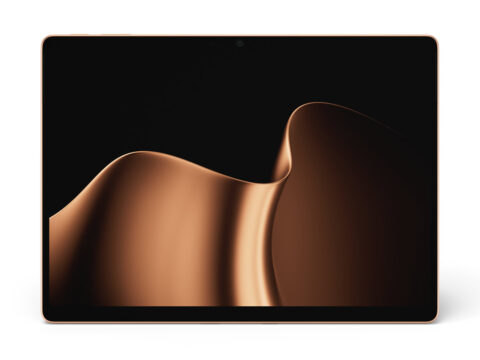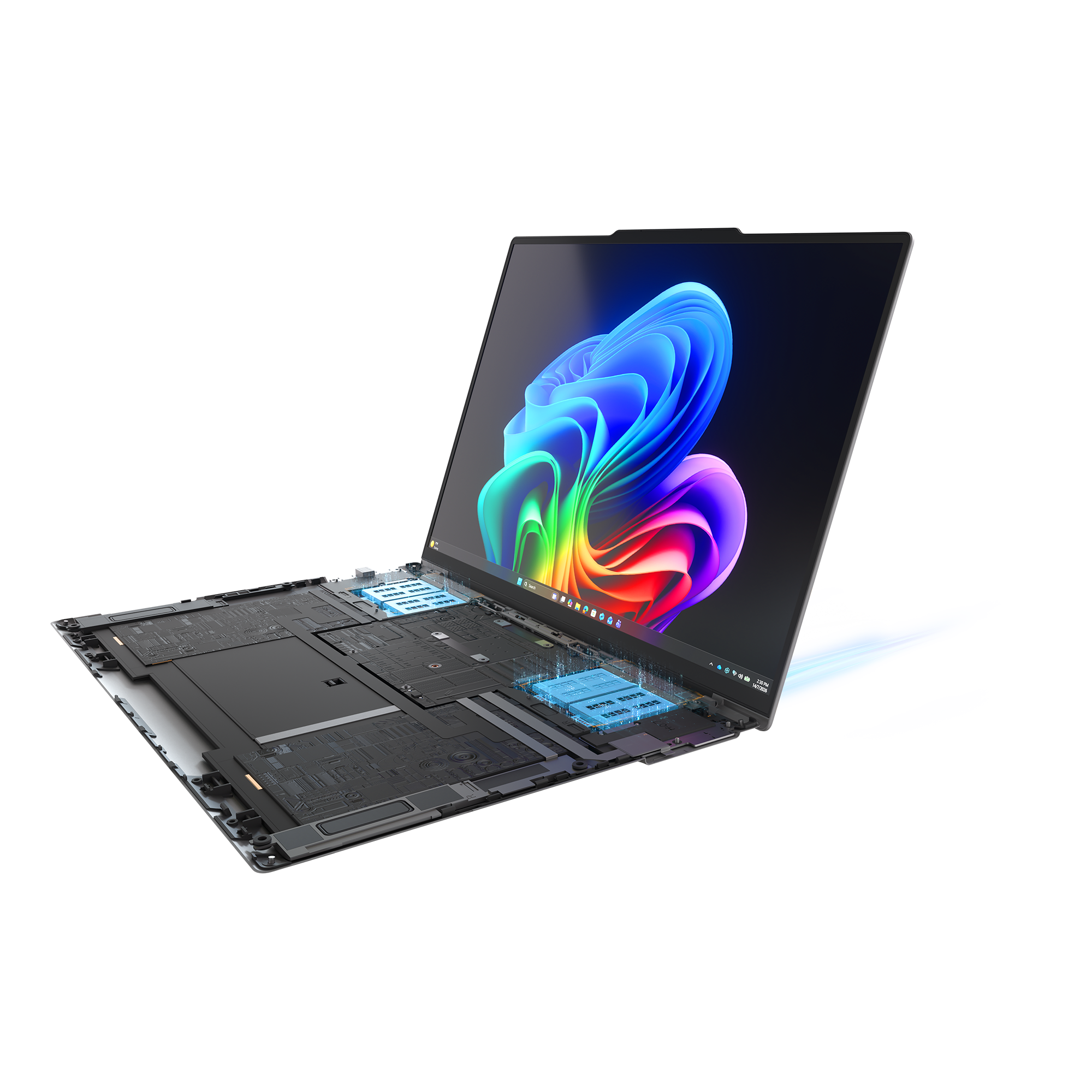
Lenovo has shown a 14-inch laptop prototype with no cooling fan at all, called the Project AeroBlade Concept. It measures under 10mm thick and weighs under 830g. In place of a fan, it carries solid-state cooling modules that push air by vibrating a membrane. The machine was shown on September 3 at Lenovo's own event during IFA 2026 in Berlin.
The Compromise Thin Laptops Have Always Made
Building a thin, light laptop always runs into cooling. Fans and heat pipes take up physical volume, and spinning blades make noise. Machines in this class have therefore had to choose between shrinking the fan and capping performance, or keeping performance and getting thicker. Fanless products have existed before, but most of them work by pairing a low-power chip with deliberately restrained performance.
Project AeroBlade tries to rearrange that premise. Lenovo describes it as a proof of concept that asks how far you can go if every component is re-engineered around mobility. The chassis is magnesium-aluminum, and the machine has a high screen-to-body OLED display, Thunderbolt 4 and Wi-Fi 7. Lenovo says it is powered by Intel, without naming a specific processor.
A Vibrating Membrane Instead of a Fan
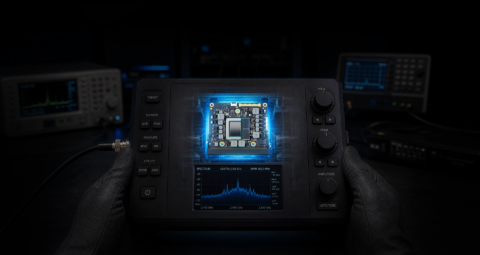
Cooling is handled by a new thermal design Lenovo calls Active Flow, developed in collaboration with Frore Systems. At its core is AirJet, the company's solid-state cooling chip. Rather than spinning blades, it vibrates an internal membrane at high frequency to create pulsating jets of air that push heat out of the chassis. With no moving mechanical parts, there is nothing to wear out or rattle. Frore Systems is headquartered in Silicon Valley.
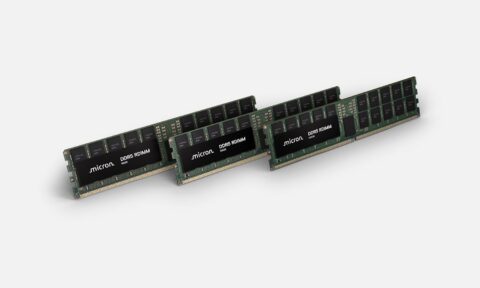
Frore's published figures for the current-generation AirJet Mini G2 are 7.5W of heat dissipation per unit, dimensions of 27.3mm by 41.6mm by 2.5mm, and 21 dBA of noise measured in system. Heat dissipation is 50 percent higher than the previous-generation AirJet Mini. The other number that matters is back pressure of 1,750 pascals, roughly 10 times that of a fan. Stronger air pressure allows much tighter vents, which makes it easier to build a chassis that resists dust and water. In other words, the classic fanless problem of trapped heat is being solved with pressure rather than volume.
Lenovo says the arrangement sustains AI performance under continuous load while cutting noise, dust intake and mechanical complexity at the same time.
AI Workloads Shift From Bursts to Endurance
Solid-state cooling is arriving in real hardware now partly because of how on-device AI has changed. Frore Systems points out that as inference moves from one-shot responses toward reasoning models and agentic work, workloads become long and compute-heavy. A task that finishes in seconds can let the chassis absorb a brief temperature spike. Once a machine is thinking for minutes at a time, heat that cannot escape shows up directly as lower performance.
The company has set a goal of doubling thermal performance every two years, and the 50 percent generational gain in AirJet Mini G2 is a step along that path. The implication is that laptop cooling is shifting from tuning how much peak performance to allow, toward how long that performance can be held without dropping.
Production Has Not Been Decided
It is worth being clear that this is a prototype. No price or release date has been announced, and Lenovo has not committed to putting it into production at all. Numbers that shape everyday use, such as battery life and surface temperature under sustained load, are also unpublished.
At the same event Lenovo showed Project Swan Concept, a rollable prototype whose screen extends from 14 inches to 17 inches, at 17.9mm thick and 1.6kg. Both explore, from different angles, how much is possible within something you can carry. Getting a show unit onto store shelves still means solving durability and manufacturing yield.
Summary
Project AeroBlade Concept is a prototype that uses Lenovo's Active Flow thermal design, built on Frore Systems' AirJet solid-state cooling, to deliver a fanless 14-inch machine under 10mm thick and under 830g. The current-generation AirJet Mini G2 is rated at 7.5W of heat dissipation per unit, 1,750 pascals of back pressure and 21 dBA of noise, figures that reduce the performance compromises thin laptops have historically accepted. Price and timing remain undecided, as does whether it will be built at all. As on-device AI work stretches longer, cooling matters more, so whether this approach graduates from prototype is worth watching.