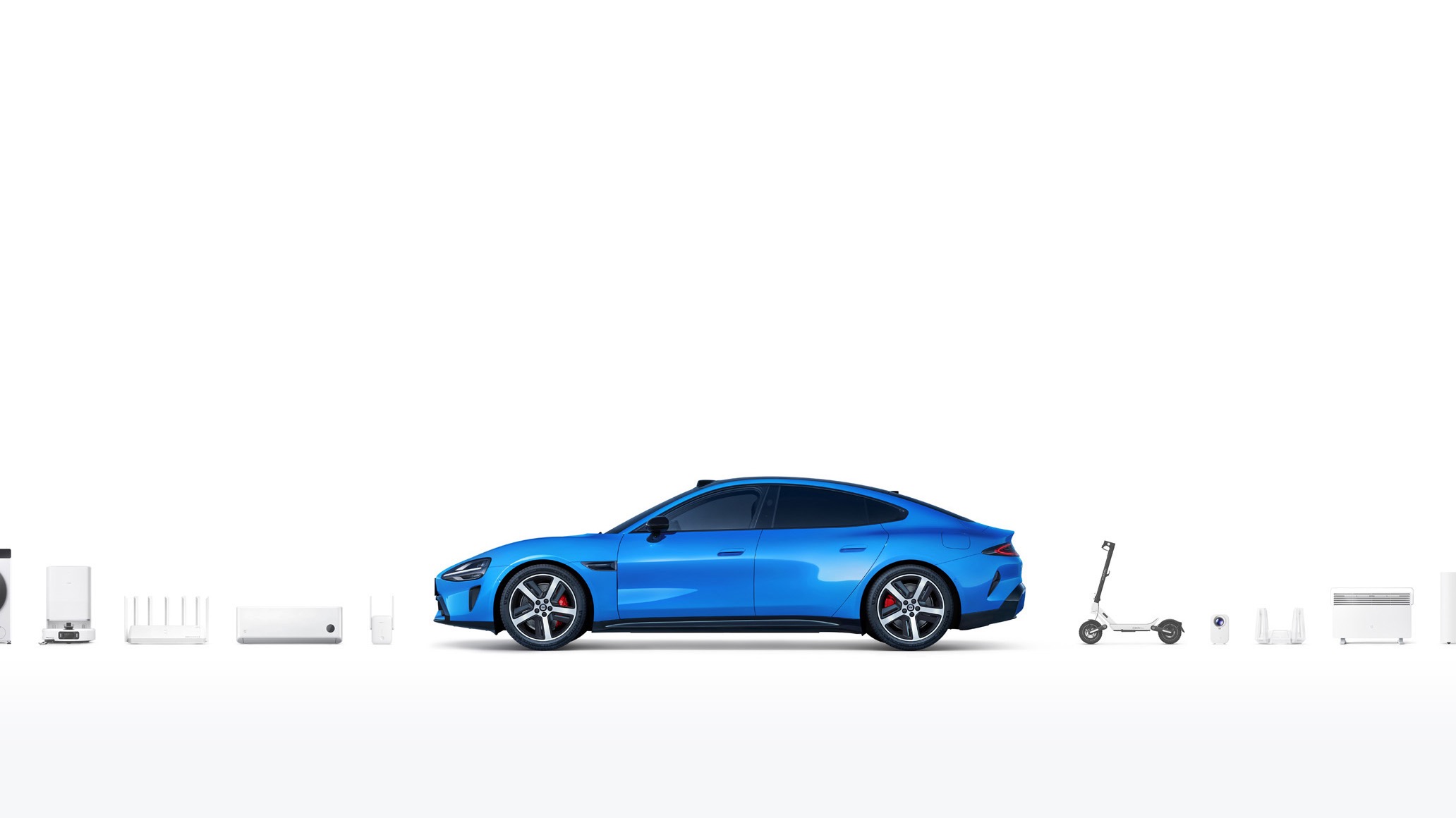
Xiaomi set up a booth at IFA for the first time as the Berlin trade show opened on September 4. The theme is Human × Car × Home Smart Ecosystem, the stand covers 3,300 square meters, and more than 380 products and technologies are on display. The two headline items are the CyberOne humanoid robot and the XRing O3, a 3-nanometer processor the company designed itself. Xiaomi came to Berlin to show, in physical form, that its phones, appliances and electric vehicles sit on a single line.
The largest booth Xiaomi has ever built abroad
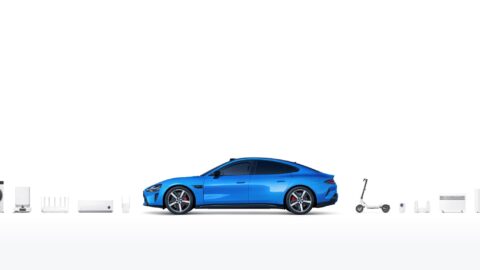
This is Xiaomi's first appearance at IFA, and at 3,300 square meters it is the largest stand the company has ever operated at an overseas exhibition. In Europe, Xiaomi has led with the Mijia appliance brand, but this time robotics, AI, semiconductors and cars share the floor with washing machines and refrigerators. Presenting people, cars and homes as one ecosystem is the strategy the company has pushed in recent years, transplanted directly into an exhibition hall.
Chief Marketing Officer Xu Fei described the IFA appearance as a milestone in Xiaomi's global journey, saying the company started with smartphones and has expanded into smart homes and electric vehicles while continuing to invest in foundational technologies such as AI, operating systems, semiconductors and smart manufacturing.
CyberOne arrives after a trial run on a factory floor
CyberOne performs live in front of visitors, including finger-heart and thumbs-up gestures. It is not only a show robot: it has already been deployed on a trial basis at Xiaomi's electric vehicle plant, where its performance is measured against real work.
According to Xiaomi, after the humanoid was applied to nut-fastening work at the EV plant, the task success rate rose from 90 percent to 98 percent over four months. Humanoid robots are usually judged on how smoothly they move, but the figure presented here is a plainer, more industrial one: how often the machine finishes the job correctly, run after run. Xiaomi says it will continue to improve the robot's perception, control and task execution to gain an early lead in the humanoid market.
The in-house 3nm XRing O3 and its first handset
The other headline is the XRing O3. Built on a 3-nanometer process and designed in-house, it packs 24 billion transistors on a die measuring 133 square millimeters, a 26 percent increase in transistor count over the previous XRing O1.
The most striking technical point is support for LPDDR6 memory, a first for a mobile processor. Transfer speeds reach up to 10,667Mbps and memory bandwidth reaches 113.8GB/s, 48 percent higher than the XRing O1. The design intent shows less in core counts than in the memory subsystem, which makes sense if on-device AI is the assumption: bandwidth sets the ceiling on what users actually feel.
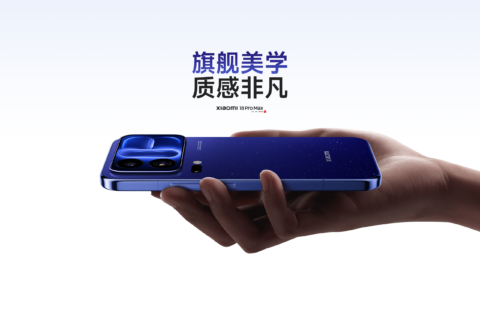
The first phone to carry the XRing O3 is the Xiaomi 18 Fold, shown at the booth, which pairs the chip with LPDDR6 memory from Chinese supplier CXMT. Xiaomi has relied on Qualcomm's Snapdragon for its main smartphone processors until now, so the 18 Fold is a test of how far the in-house design can carry the lineup. The official announcement in China is scheduled for September 7.
AI models and a concept car round out the stand
The exhibit also includes Xiaomi's own AI models. MiMo V2.5 Pro, MiLoco and MiClo were shown, along with a plan to use them to strengthen the company's smart factories. Xiaomi currently runs a smart manufacturing system with an annual capacity of 10 million smartphones.
On the automotive side, Xiaomi is displaying the Xiaomi Vision Gran Turismo, a concept car inspired by the racing game Gran Turismo. It features a shaped-by-wind design approach, an active wake control system and Xiaomi Pulse, an in-car AI assistant. The production SU7 and SU7 Ultra are on display alongside it.
Summary
Xiaomi's IFA debut was less about overwhelming visitors with 380 products across 3,300 square meters and more about placing a humanoid robot, an in-house 3nm chip, AI models and electric vehicles in the same room to argue that one design philosophy runs through all of them. CyberOne's rise from 90 percent to 98 percent success and the LPDDR6-capable XRing O3 are both tied to real manufacturing and real products. For European visitors, the show is a chance to confirm that treating Xiaomi purely as a phone and appliance maker is becoming outdated.