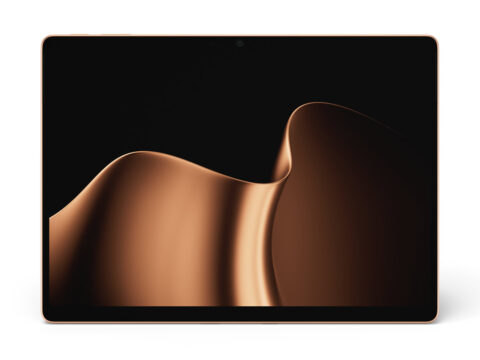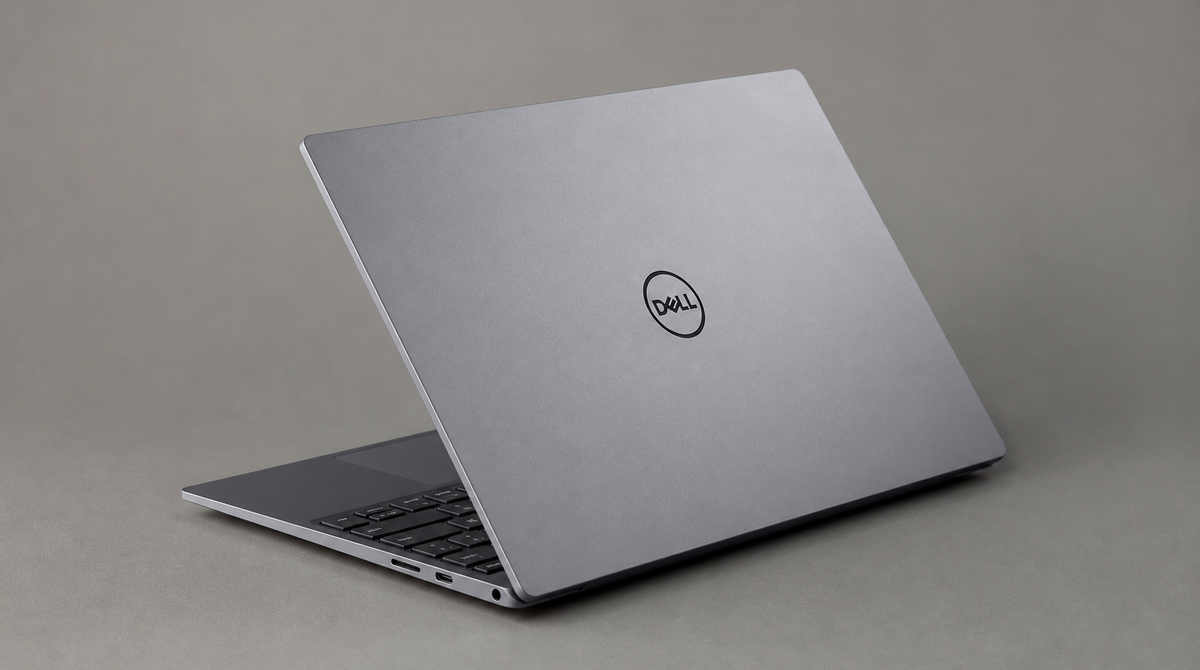
Dell Technologies announced a new model of its 13.4-inch premium mobile notebook, the XPS 13 (model DX13260), on June 16. It is the first refresh of the XPS 13 in about two years, and at 12.7mm thick and roughly 1kg, it is the thinnest and lightest notebook in the XPS lineup. Prices start at ¥154,800, with some configurations already open for pre-order on Dell's site, and in-store sales are scheduled to begin rolling out from late July. Dell positions the machine as a strong Windows contender aimed squarely at Apple's thin-and-light MacBook Neo.
A refresh after about two years, now the thinnest and lightest in the series
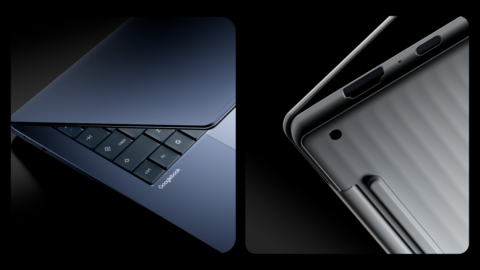
The new XPS 13 is the 13-inch model of Dell's well-established premium XPS brand, and it marks the first new model in roughly two years. Its defining traits are thinness and light weight: the body measures about 12.7mm thick, and the lightest configuration weighs around 1kg, both of which are the smallest and lightest figures for any XPS-brand notebook to date.
The body comes in two colors, Sky and Storm. Storm, however, is only available when the US-layout keyboard is selected, and that option arrives in late July. The ability to choose between a Japanese layout and a US layout is a point buyers of overseas-brand notebooks often care about, and supporting both is reassuring for users in Japan.
The rival Dell names for this model is Apple's MacBook Neo, the thin-and-light notebook Apple introduced this year. By including a touch display, a backlit keyboard, support for multiple external displays, and up to 32GB of memory—features the MacBook Neo lacks—Dell makes clear its intent to compete head-on in the thin-and-light arena.
Two CPU choices and memory configurations
There are two CPU options. The entry-level choice is the Core 5 320 (2 P-cores plus 4 LP E-cores), while the higher tier is the Core Ultra 7 355 (4 P-cores plus 4 LP E-cores). The Core Ultra 7 355 meets the requirements for Microsoft's "Copilot+ PC" designation for AI features, and this configuration becomes available in late July.
Memory uses the fast LPDDR5X-7467 standard. The Core 5 320 configuration carries 8GB or 16GB in single channel, while the Core Ultra 7 355 configuration carries 16GB or 32GB in dual channel. Storage is a PCI Express 4.0 SSD, available in 512GB or 1TB. Being able to fit up to 32GB of memory in such a thin notebook leaves plenty of headroom for handling multiple applications at once.
A high-resolution touch display and Wi-Fi 7 support
The display is a 13.4-inch touch panel with a high resolution of 2560×1600 pixels. It supports a variable refresh rate that automatically shifts between 30 and 120Hz, balancing smooth motion against battery consumption. It covers 100% of the DCI-P3 color gamut, reaches a peak brightness of 500 nits, and includes hardware-based blue-light reduction. The webcam is roughly 2 megapixels and supports an infrared (IR) camera for face authentication along with Full HD (1920×1080-pixel) capture.
For wireless, it supports the latest Wi-Fi 7 (IEEE 802.11be) wireless LAN and Bluetooth 6.0. It has one USB Type-C port on each side, supporting video output via DisplayPort Alternate Mode and power input via USB PD (Power Delivery). The port spec differs by configuration: the entry configuration uses USB 3.2 Gen 2 (up to 10Gbps), while the Core Ultra 7 355 configuration uses Thunderbolt 4 (USB4 Version 1.0, up to 40Gbps).
The battery has a rated capacity of 52Wh, and battery life is said to reach up to about 17 hours when playing 4K video continuously in the Netflix app. The body measures roughly 296.9 (W) × 200.66 (D) × 12.7 (H) mm. Models sold in Japan come with a new wall-mount AC adapter rated for up to 65W output. Its plug folds away, making it less bulky to carry.
Pricing, availability, and a pop-up event in Omotesando
Prices start at ¥154,800, and pre-orders for some configurations opened on Dell's direct site at the same time as the announcement. In-store sales begin rolling out from late July, and configurations with the higher-end Core Ultra 7 355 or a US-layout keyboard arrive in late July. The US starting price is 699 USD (about 110,000 yen), which differs from the Japanese price due to configuration and exchange-rate factors.
※1 USD = 160 JPY (as of June 17, 2026)
A student discount is also available. It applies to students aged 16 and over, who receive 6% off the device price when purchasing through a dedicated site. Eligibility requires creating a Dell Account, registering for the Dell Rewards points program, and submitting proof of enrollment. In addition, a campaign running through July 31 adds 10,000 extra Dell Rewards points for purchases of XPS-brand products, and it can be combined with the student discount.
There is also a real-world event to mark the launch. Dell will hold the "XPS Pop-up Event" at ZeroBase Omotesando (Minato, Tokyo) from July 9 to 12. Hours each day run from 10 a.m. to 8 p.m., and beyond hands-on time with the XPS 13, visitors who post about the venue on social media are slated to receive a gift.
Summary
The new XPS 13 arrives as a premium thin-and-light Windows notebook, refreshed after about two years to become the thinnest and lightest in the series, starting at ¥154,800. Its appeal lies in a configuration that balances thin-and-light design with practicality: Copilot+ PC support via the Core Ultra 7 355, a high-resolution 2560×1600 touch display, Wi-Fi 7, and up to 32GB of memory. There are also touches aimed at users in Japan, such as the option for a Japanese keyboard layout and a pop-up event in Omotesando. Competition in the thin-and-light notebook market, with the MacBook Neo in its sights, looks set to intensify further.