Siri AI, the new voice assistant Apple announced in June, may include a message that encourages users to take a break when a conversation runs long. Strings found in the iOS 27 developer beta describe wording that also reminds users Siri is not a person. Apple has said nothing about this behavior, but it brings a broader question into view at the implementation level: how should a company design the emotional distance between a user and an AI assistant?
The wording found in the beta code
The strings appear in the iOS 27 beta distributed to developers. Aimed at users who have kept a conversation going for an extended period, the message indicates how many hours have passed since the conversation began and suggests taking a break. It is paired with a line explaining that Siri is not a person, but will still be there whenever the user wants to continue.
One detail stands out: there is no fixed time threshold anywhere in the code. Rather than a simple rule such as always appearing after three hours, the design appears to combine conversation length with other signals to decide when the message should surface.
That said, these are strings in a beta build, not a feature Apple has announced. Implementations that appear mid-development often never reach the shipping release, so nothing beyond "the groundwork exists" can be stated with confidence right now.
The underlying issue is distance from AI
As conversational AI gets better at natural replies, the amount of time people spend treating it as a conversation partner grows. Even when users know the other side is not human, a comfortable exchange tends to keep going. What makes the discovered wording notable is that it deliberately includes the line stating Siri is not a person.
Mechanisms that surface usage time are nothing new on Apple platforms, with Screen Time being the obvious example. If this wording ships, it extends that same thinking to conversations with an assistant. It also looks like a gentle nudge rather than a hard limit, which fits how Apple has handled this kind of feature before.
What Siri AI actually changes
Siri AI is a completely rebuilt version of Siri that Apple announced on June 8. Running on the new foundation of Apple Intelligence, it can answer questions about what is on screen, search personal information across messages, mail, and photos, and generate answers based on up-to-date information pulled from the web.
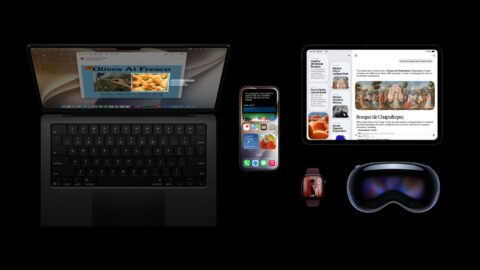
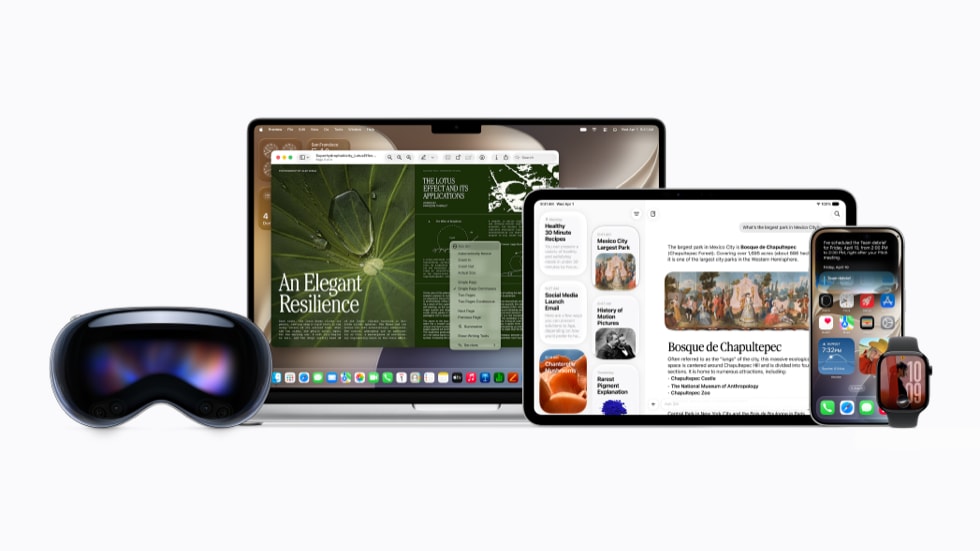
A dedicated Siri app lets users revisit past exchanges, with conversation history syncing across devices through iCloud. A conversation started on a Mac can be continued on iPhone, Apple Watch, or Apple Vision Pro. Visual Intelligence also expands to iPad and Mac, alongside systemwide writing tools and voices whose expressiveness and pace can be adjusted.
Processing is split between on-device models and Private Cloud Compute. Apple says that when requests are handled on the server side, personal data is not stored and is not accessible to Apple or anyone else.
Availability in Japan is still undecided
Developer testing for Siri AI began the day it was announced, and a beta for general users is planned this year across iOS 27, iPadOS 27, macOS 27, and visionOS 27. Initially it covers only supported devices set to English, with other languages following later. Apple Intelligence itself already supports Japanese, but Apple has not indicated when Siri AI will be usable in Japanese.
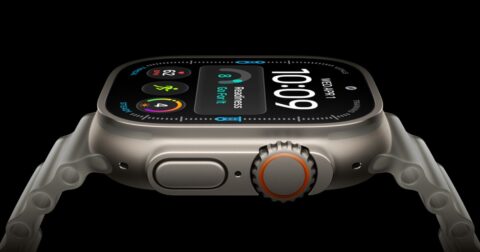
Supported hardware includes iPhone 16 models and later, iPhone 15 Pro and iPhone 15 Pro Max, iPads and Macs with M1 or later, Apple Vision Pro, and Apple Watch Series 9 or later. Regional differences apply as well: in the EU, Siri AI is available on Mac and Apple Vision Pro but not initially on iOS, iPadOS, or watchOS. It is also not expected in China until regulatory requirements are resolved.
Summary
Code in the iOS 27 beta points to a message that encourages a break when a Siri AI conversation runs long and reminds the user that Siri is not a person. The trigger conditions are unclear and Apple has offered no official explanation, so whether it reaches the shipping release remains uncertain. Still, the attempt to build both greater capability and consideration for overuse into the same assistant is worth noting ahead of the beta arriving later this year.