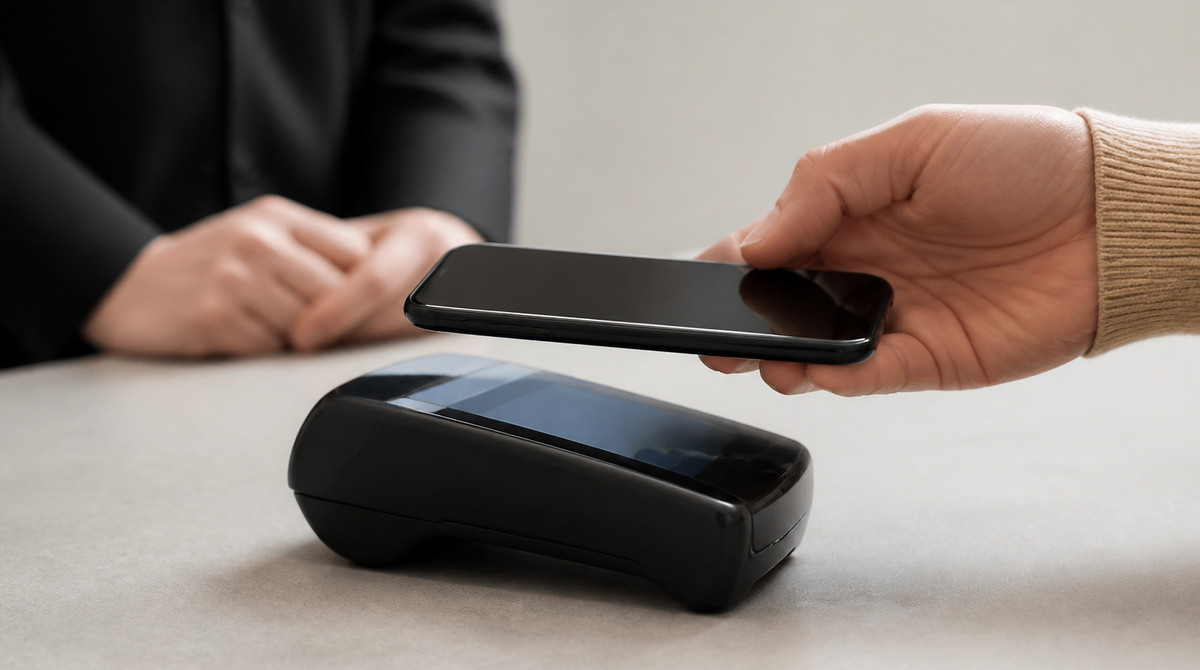
Android phones running China-market firmware, commonly called China ROMs, suddenly stopped completing contactless payments with Google Pay starting around August 1. The trigger is a Google Play services update: once the software identifies a device as a Chinese SKU, it shuts down the tap-to-pay function outright. Anyone using an imported vivo or Xiaomi as a daily driver has reason to pay attention.
The Wallet Opens, but the Terminal Says No
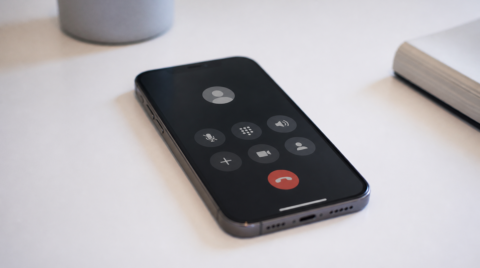
The tricky part is that nothing looks wrong. The Google Wallet app launches as usual, the saved cards are all there, and no error appears. The problem only surfaces at the register, when the phone is held over a payment terminal. The transaction fails, and the terminal displays something to the effect of the card not being supported.
One user reported that a vivo X200 Ultra on a China ROM, which had worked fine the day before, suddenly failed at checkout. The transaction history showed payments going through normally until August 1. Others report that after the update, opening Google Wallet triggers a recurring popup asking them to set Google Pay as the default for contactless payments, even when it was already set as the default.
Three Letters in the Log: CN SKU
The developer who traced the cause is MarvinFS, who posted his findings on XDA Forums. Reviewing the Google Play services log on his device, he found these two lines appearing on every payment attempt:
TapAndPay: deviceSupportsTokenization: CN SKU
TapAndPay: Disabling TapAndPay HCE service
The first line records that the device SKU was identified as a China-market model. The second records that the HCE (Host Card Emulation) service behind tap-to-pay was disabled as a result. In other words, this is not an app defect. The service provider itself appears to be switching the capability off deliberately.
The starting point is the 26.28 branch of Google Play services. Most reports come from devices updated to 26.28.33, while phones still on the earlier 26.26 branch show no symptoms.
China ROMs Only, Global Units Unaffected
The block applies only to handsets bought in or imported from China with Chinese firmware installed. The same models purchased as global units elsewhere, such as in Europe, are not affected.
Reported devices include the vivo X200 Ultra, vivo X200 Pro (including the mini), vivo X300 Pro, vivo X300 Ultra, vivo X100 Ultra, vivo X Fold5, vivo X Fold3 Pro, OPPO Find N3, OPPO Find X9 Pro, Xiaomi 17 Ultra, Xiaomi 13 Pro, OnePlus Ace 6 and OnePlus 15T. The reports are not concentrated in any single country, with cases coming in from Europe and Brazil alike. Chinese travelers and expatriates abroad are caught in the same net.
Three Workarounds, Only One of Them Easy
The community converged on three approaches.
The first is rolling Google Play services back to an older build such as 26.26.62 over ADB. This wipes Google Wallet, so every card has to be added again, and automatic updates will eventually undo the fix anyway. It costs more effort than it buys.
The second is setting an alternative wallet app such as Curve Pay as the default payment method, bypassing Google Wallet entirely. That sidesteps Google's check, but it also means inheriting whatever limitations and service interruptions the alternative brings.
The third is the one that actually works without much effort. XDA Forums user Just_Soul found that simply leaving the Google Play beta program restores payments. In the Google Play Store, tap the profile icon, go to Settings, then General, then Account and device preferences, scroll to the history section and select Leave beta program. It works even for users who never knowingly enrolled in a beta, and the fix survives a reboot.
A Bug, or a Dry Run
The fact that leaving a beta program resolves it suggests this was not a permanent policy change but test behavior that reached ordinary devices by mistake. Reports later appeared on XDA Forums and reddit that payments came back with no action at all, apparently because Google addressed the issue on its own servers.
The aftertaste is still odd. Google has issued no public comment. And the episode inadvertently demonstrated that Google has a mechanism to disable tap-to-pay specifically on China ROM devices, and that the mechanism is live. Anyone importing a Chinese-market handset now carries the uncertainty of whether that behavior might one day ship as an intended feature.
Devices still on the 26.26 branch remain unaffected for now. If contactless payments on a China ROM phone are essential to your routine, holding off on the update while the situation settles is the safer call.
Summary
After Google Play services moved to the 26.28 branch, contactless payments through Google Pay stopped working on China ROM devices from vivo, OPPO, Xiaomi and OnePlus. Logs show the software identifying the device as a Chinese SKU and disabling the tap-to-pay service. Leaving the Google Play beta program restores functionality, and later reports indicate Google resolved the issue on the server side. No official explanation from Google has been issued so far.