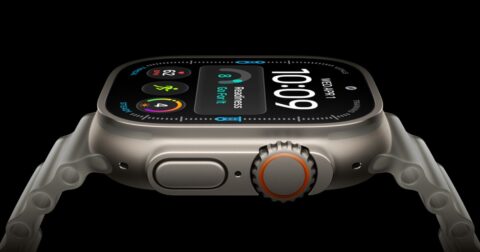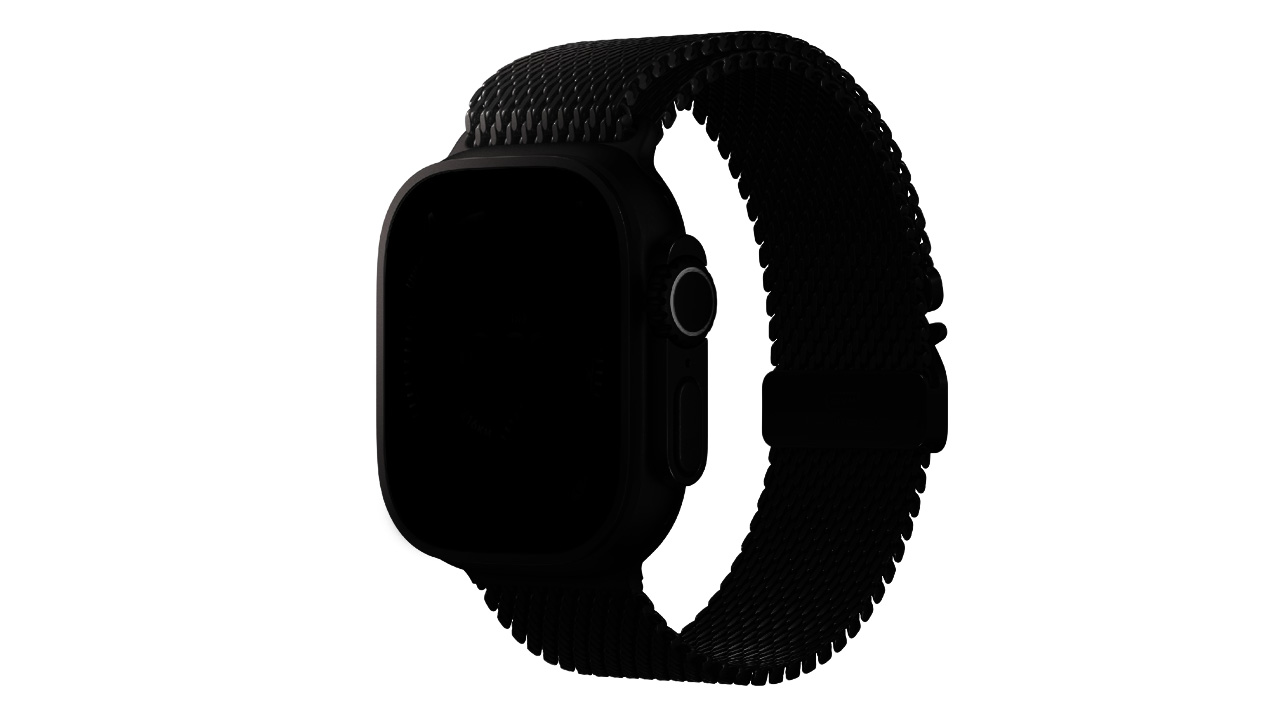
WWDC 2026 came and went without a new Apple Watch Ultra on stage. That is no surprise, since Apple typically reveals new Watch models at its fall event alongside the annual iPhone refresh. What stands out is how much has already leaked with months still to go before the official announcement. Taken together, supply chain reports and analyst notes paint a picture of the most significant Ultra upgrade since the original arrived in 2022, touching everything from the physical design to long-awaited health sensors. Here is where the rumors stand right now.
The Biggest Redesign Since 2022
The first thing that catches the eye is not a sensor or a chip, but the body itself. Supply chain sources in Taiwan point to a major design overhaul, with follow-on reporting suggesting a thinner profile and a reshaped case. That would be a clear break from the titanium case proportions Apple has used across the first three generations.
On a watch as large as 49mm, slimming the case matters more than the numbers suggest. The current Ultra can snag on jacket sleeves and gym equipment, a common complaint among people who wear it every day. Trim the height and you keep the same screen while reducing the bulk on your wrist. Based on Apple's track record, a redesign of this scale usually signals a new manufacturing process or a material change rather than a purely cosmetic refresh. There is no guarantee that holds true this time, however.
Blood Pressure Monitoring: The Health Feature Apple Has Chased for Years
Apple has pursued blood pressure tracking since at least 2022. The current Ultra 3 already includes hypertension notifications that look for patterns over 30-day windows and flag the possibility of high blood pressure. That is meaningful, but it is not an actual blood pressure reading.
The Ultra 4 is rumored to go a step further. According to supply chain information relayed by Taiwan's DigiTimes, Apple has submitted a more advanced blood pressure alert feature for review by the U.S. Food and Drug Administration (FDA), one that could issue warnings sooner rather than as monthly trend summaries. The optical heart-rate sensor on the back of the device would handle the analysis. SAMSUNG took a step-by-step approach to regulatory approval for the Galaxy Watch, and even then it faced delays in several markets.
Even if the expanded version ships, it will not replace a home cuff (an arm-band blood pressure monitor). Still, flagging an abnormal reading close to real time would be a clear step up from looking back over 30 days. For most buyers, that is the difference between a wellness feature and a genuinely useful health tool.
Touch ID on Your Wrist? Skeptics Push Back
You are mid-run, your fingers are sweaty, and the watch locks. Right now you either tap in a passcode or wait for your paired iPhone to authorize you. Some leak-driven reporting notes that references to "AppleMesa," said to be Apple's internal codename for Touch ID, have turned up in Apple's code, suggesting the company is exploring Touch ID for a future Apple Watch. Exactly how it would be implemented, whether in the side button, the Digital Crown, or another control, is still speculation.
It is worth noting that there is reporting that pushes back directly on this. In May 2026, MacRumors, citing a prominent leaker, reported that Apple is prioritizing battery capacity over biometrics and that Touch ID is unlikely to make the cut this generation. If it does ship, the payoff is real: you could unlock quickly even when the screen is wet during gym sessions or swimming and wrist-detection struggles, and Apple Pay on the wrist would be faster too. The practical impact would be significant, but at this stage it is far from a sure thing.
Eight Sensors in a Ring Pattern
The back of the current Ultra is a flat sensor disc. It works, but it is not especially refined. Some of the leaks so far describe an array of eight sensors arranged in a ring pattern on the rear case.
In theory, a ring layout spreads the sensing surface across more of your wrist, which could mean more stable skin contact while you move and faster readings during a workout. The durability argument is similarly logical. Sensors distributed around the rear case would sit closer to the skin and, in principle, absorb less impact when the watch bumps into door frames or climbing gear. For a watch marketed to divers and climbers, that matters more than aesthetics.
Battery: Betting on Efficiency Gains
Supply chain sources frame the battery improvement as a significant boost in power efficiency. In other words, the cell capacity may stay the same while a new chip and display draw less power. If the case really is getting thinner, a larger battery is unlikely, so the gains would have to come from the chip side.
The Ultra 2 reached 36 hours in standard mode, and the Ultra 3 pushed that to 42 hours, with 72 hours in low-power mode. Any further increase in standard-mode runtime would bring it closer to two full days, the threshold where you stop thinking about charging every night and start treating the watch as an always-on tracker. For outdoor users the benefit is even greater: GPS tracking, topographic maps, and backtrack navigation drain the battery faster than Apple's headline figures suggest, so extra headroom means fewer anxious checks on remaining charge during an activity.
Should You Buy the Ultra 3 Now?
So what should you do if you are thinking about upgrading? The short answer: if your current watch is broken, the Apple Watch Ultra 3 remains a strong choice you are unlikely to regret. Discounts on the Ultra 3 are already showing up at some retailers, which is often a sign a successor is in the pipeline, but its overall quality has not changed. In the U.S. it sells for 799 USD (about 128,000 yen).
If you do not need one immediately, there is plenty of reason to wait for the official announcement in September. If the rumors about a slimmer body and better battery efficiency pan out, the Ultra 4 could be the first Ultra that genuinely feels new since the original. Jumping in for unconfirmed features is a gamble, but the cost of waiting a few months is small. That is the balance as it stands today.
*Converted at 1 USD = 160 JPY (as of June 16, 2026)
Summary
Putting the rumors together, the Apple Watch Ultra 4 appears to be aiming for more than a routine refresh, with a slimmer case, expanded blood pressure monitoring, sensors arranged in a ring, and longer battery life from efficiency gains. At the same time, some reporting is skeptical about Touch ID, blood pressure monitoring could slip again, and the redesign may turn out more conservative than the leaks suggest. A September 2026 launch alongside the iPhone 18 line looks likely, but none of this is confirmed. The fall announcement will show how much of the rumor picture becomes reality.