On April 8, 2026, Amazon announced the launch of Familiar Faces, a new feature for its Ring home security brand, in Japan[1][2]. The feature rolls out to customers who own compatible 4K or 2K Ring cameras, or select HD devices, and who subscribe to the Ring Home Premium plan[1]. Instead of the generic "Person detected at the front door" alert, users now receive personalized notifications such as "Mom detected at the front door." Familiar Faces is opt-in, and any face data captured is encrypted and stored within the customer's Ring account[1].
How Familiar Faces works and which devices are supported
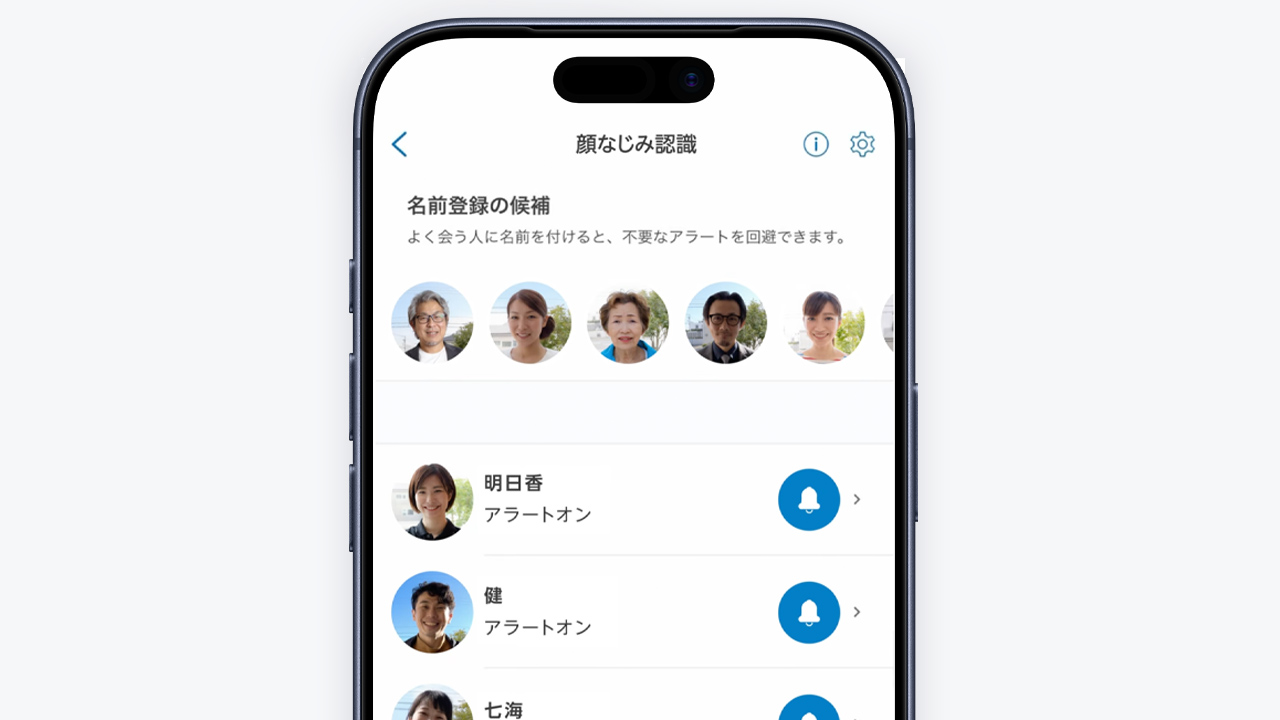
Familiar Faces learns visitors who appear frequently at the door. When the camera detects a face, it automatically creates an unnamed profile in the Ring app[1]. Users can later assign names like "Dad" or "Babysitter" from the Familiar Faces library; once named, those labels appear in alerts, the Event History, and the Timeline[1]. The library supports up to 50 profiles, counting both named and unnamed entries, and any unnamed profile that is not recognized again within 30 days is automatically deleted[1].
To use the feature, a Ring Home Premium subscription is required, along with a compatible 4K or 2K camera or one of the supported HD 1080p models[1]. Ring's support page lists Video Doorbell (2nd Gen) and later, the Battery Doorbell line, Wired Doorbell Pro, Outdoor Cam, Spotlight Cam Plus Plug-in, Indoor Cam (2nd Gen), and Pan-Tilt Indoor Cam as eligible devices, and notes that Familiar Faces is incompatible with the Ring Car Cam, end-to-end video encryption, and Ring Edge[3]. Recognition range is roughly 3 to 4 meters for 4K and 2K cameras and about 2 meters for HD cameras; for best accuracy, Ring recommends mounting a doorbell about 1.2 meters above the ground[3].
Opt-in privacy design and operating rules
Amazon describes Familiar Faces as "designed with privacy in mind." The feature is off by default and activates only when a user explicitly enables it in the Ring app settings[1]. Each device can be turned on or off individually, and any newly added device must be configured separately[3]. According to Amazon, captured face data is automatically encrypted, stored in the cloud, and not shared with any third party[1].
Profile retention is also limited by design. The support page states that unnamed profiles are deleted after 30 days without recognition, and that all profiles and facial recognition data are removed after 180 days with no recognition[3]. When a device is reset or transferred, the associated facial recognition data does not move with it, and canceling a qualifying subscription stops both new profile creation and ongoing recognition against existing profiles[3]. Amazon also reminds users that, because the feature collects face data from visitors, they are responsible for confirming applicable laws and using the feature appropriately[1].
Controversial in the U.S., careful setup matters in Japan
Familiar Faces began rolling out in the U.S. in December 2025. TechCrunch described its arrival on Ring doorbells and security cameras as a "controversial" AI feature, with debate centered on the so-called "bystander consent" problem: even if the device owner consents, passersby and visitors captured by the camera generally cannot[4]. The Electronic Frontier Foundation (EFF) also published a legal analysis in November 2025 outlining how state biometric laws intersect with Ring's facial recognition feature[5]. Ring's official guidance notes that Familiar Faces is unavailable in Illinois, Texas, and Portland, Oregon due to local legislation[3].
For the Japanese launch, Amazon's wording is significant: customers "are responsible for confirming applicable laws and using this feature properly and responsibly"[1]. In multi-unit buildings or near shared spaces, the way face data is handled under Japanese privacy rules, along with prior notice to visitors, becomes part of the day-to-day operating burden. Limiting use to household members for arrival alerts is straightforward, but routinely capturing delivery drivers or neighbors will demand a closer look at camera placement and retention.
Summary
Familiar Faces brings personalized arrival alerts to Ring users in Japan, but it remains a paid feature tied to the Ring Home Premium plan and supported hardware. Although it is opt-in and face data has clear retention limits, the responsibility for notifying visitors and observing local rules rests with the user. Existing Ring owners should first check Premium pricing, device compatibility, and what their cameras actually capture before deciding whether to enable the feature.
Source: https://press.aboutamazon.com/jp/2026/4/amazon-and-ring-launch-new-face-recognition-feature
Source: https://www.aboutamazon.jp/news/devices/ring-familiar-faces-function
Source: https://ring.com/jp/ja/support/articles/z3yhg/familiar-faces
Source: https://techcrunch.com/2025/12/09/amazons-ring-rolls-out-controversial-ai-powered-facial-recognition-feature-to-video-doorbells/
Source: https://www.eff.org/deeplinks/2025/11/legal-case-against-rings-face-recognition-feature