

Amazon has raised the prices of its own devices in the United States. Echo, Fire TV, Kindle and eero lines are all affected, and the numbers on the product pages changed without any advance notice. The company points to sharply higher memory and storage component costs, with increases reaching as much as 60 percent. The memory squeeze created by AI data centers has finally reached inexpensive household devices.
※1 USD = 159 JPY (as of August 21, 2026)
Echo Dot Goes From 50 Dollars to 80
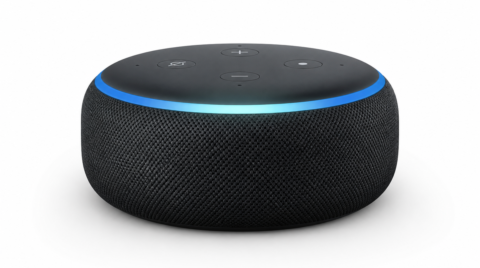
The steepest increase landed on the Echo Dot, long the standard entry point into the lineup. Its price moved from 49.99 USD (about 8,000 yen) to 79.99 USD (about 12,700 yen), a 60 percent jump. Buying a single smart speaker just to try one has become a noticeably bigger decision.
The Echo Show 11, which adds a display, went from 219.99 USD (about 35,000 yen) to 249.99 USD (about 40,000 yen). Among e-readers, the 16GB Kindle rose from 109.99 USD (about 17,000 yen) to 149.99 USD (about 24,000 yen), and the 16GB Kindle Paperwhite went from 159.99 USD (about 25,000 yen) to 199.99 USD (about 32,000 yen).
The eero mesh Wi-Fi line was not spared either. The eero 7 climbed from 349.99 USD (about 56,000 yen) to 399.99 USD (about 64,000 yen), and the higher-end eero Pro 7 rose from 699.99 USD (about 110,000 yen) to 799.99 USD (about 130,000 yen), increases of 50 to 100 dollars each. The Fire TV series is included as well.
None of this reflects an expired promotion or a stock rotation. These are changes to list prices themselves, made without an announcement or a press release. The figures on the storefront were simply replaced.
The Reason Is Memory and Storage Component Costs
An Amazon spokesperson explained that significant increases in memory and storage component costs across the consumer electronics industry are behind the change. In other words, the trigger is the procurement price of the silicon itself, not tariffs or logistics.
On a spec sheet, the Echo Dot and the Kindle are devices with modest amounts of memory. A 60 percent increase still happens because components account for a large share of the retail price, leaving little room to absorb a cost shock. Products designed to sell on thin margins and earn their return through services and content pass raw material swings straight to the shelf.
Amazon Is Not the Only One Moving
Amazon was not the first company to react to rising memory prices. Apple, Microsoft, Dell, HP, Lenovo and ASUS have already raised prices or revised configurations for the same reason. What started with PCs and smartphones has now spread down to the low end, to smart speakers and e-readers.
The root cause is AI demand. Memory makers including Samsung, SK hynix and Micron have redirected production capacity toward higher-margin HBM (high bandwidth memory), thinning the supply of conventional DRAM and NAND flash. While data centers buy at premium prices, securing the inexpensive memory that goes into consumer devices has become difficult.
The Squeeze Will Last a While Longer
Market research suggests the pace of increases is past its worst point. Even so, conventional DRAM contract prices are expected to rise 13 to 18 percent quarter over quarter in the third quarter of 2026, with NAND flash up 10 to 15 percent, so the absolute level keeps climbing. Samsung and SK hynix have both noted that AI-driven tightness may persist into 2027 and beyond.
New production capacity takes time to come online. For now, if there is a device you want, moving early is likely to cost less than waiting for a price drop.
Summary
Amazon raised US prices on Echo, Fire TV, Kindle and eero, with the Echo Dot climbing from 49.99 USD to 79.99 USD, a 60 percent increase. The reason is a spike in memory and storage component costs, the same pressure that has already pushed Apple, Microsoft, Dell, HP, Lenovo and ASUS to act. Behind it lies the shift of production toward HBM for AI data centers, which has left consumer-grade memory in short supply, and some expect that tightness to remain past 2027. Cheap gadgets have the least room to absorb rising costs, and the price increases are now arriving directly.