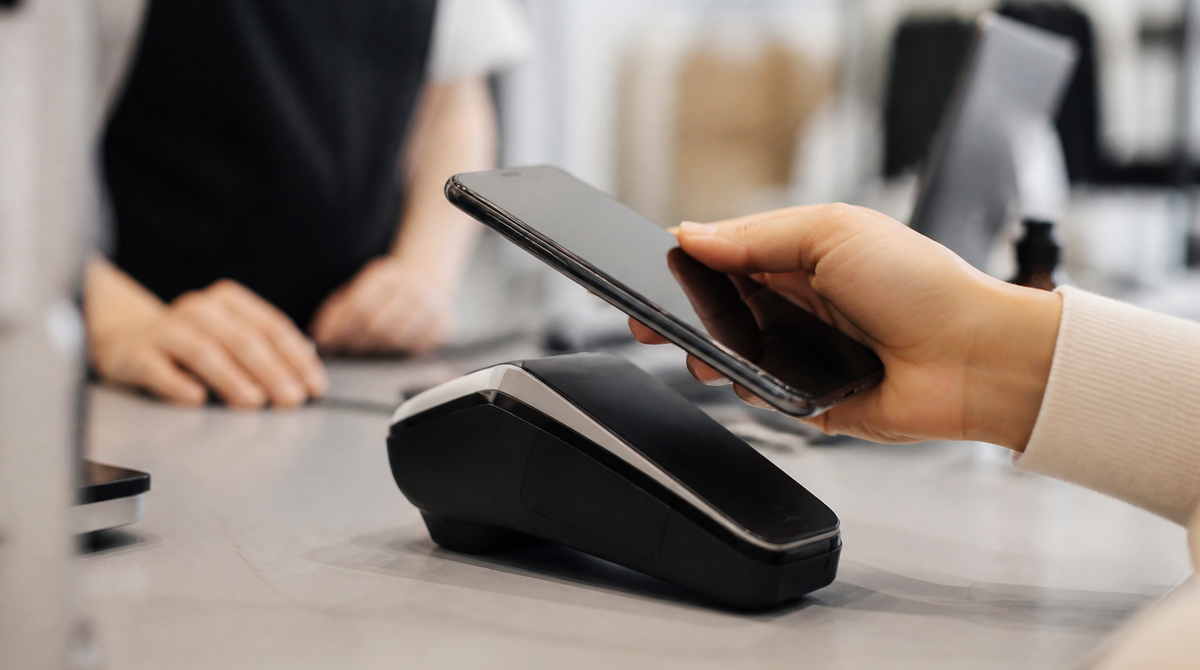
Walmart is opening its checkout lanes to contactless payments. Starting August 24, Tap to Pay will be available at select Walmart stores and Sam's Club locations, with a plan to cover every U.S. store and club by the end of 2026. For a company that spent years refusing Apple Pay and Google Pay, and even backed a rival service to fight them, this is a reversal a decade in the making.
Fuel Stations Will Have to Wait Until Mid-2027
The announcement came on August 21. The rollout is staged: Tap to Pay arrives first at a subset of Walmart stores and Sam's Club locations on August 24, reaches all U.S. stores and clubs by the end of 2026, and lands at fuel stations by the middle of 2027.
Walmart has not published a list of which stores or cities go first, so shoppers will have to watch the signage at the register to find out when their local store is ready. Given the thousands of stores and clubs the company operates across the country, budgeting more than a year to swap over the checkout terminals is not unreasonable.
Cards, Phones and Watches All Work
Tap to Pay covers eligible contactless cards, phones and smartwatches. Apple Pay and Google Pay are the headline additions, but any credit or debit card with contactless support can simply be tapped as well.
Customers will also be able to load eligible Walmart, Sam's Club and OnePay cards, the last tied to the financial service Walmart backs, into their digital wallets. Allowing its own cards to live inside someone else's wallet is not a small shift given the company's history.
None of the existing options go away. Cash, credit cards and Walmart Pay all remain, with the Walmart app still handling payment, purchase history, receipts and Walmart+ fuel savings. At Sam's Club, Scan & Go still lets members scan items on the floor, pay on the spot and walk past the checkout line entirely.
Ten Years of Trying to Kill Apple Pay
The reason this news landed as a surprise is that Walmart had been consistently hostile to contactless payments. The company pushed its own Walmart Pay and Scan-and-Go instead, and declined to support tap-and-pay even as it became the industry norm.
At one point Walmart joined other large retailers to launch CurrentC, a rival mobile payment system aimed squarely at Apple Pay. The effort never took hold and was shut down in 2016. Even then the policy did not change, and customer requests piled up for close to a decade.
Over the same period, roughly 85 percent of U.S. retailers came to accept Apple Pay. Being able to tap a phone almost everywhere except the largest chain in the country is an awkward gap, and it is fair to read that gap, rather than the company's own framing, as the real pressure behind the decision.
Framed as Adding Choice
Walmart itself describes the change as an expansion of convenience rather than a concession. The company positions it as giving customers and members more choice at checkout, and as part of a broader effort to make managing and using money easier.
That framing has some substance behind it. Walmart has been widening its financial services around saving, credit building and paying over time, while Sam's Club members have Sam's Cash and Sam's Club credit. Broadening the payment options at the register fits neatly into that strategy. For shoppers who have been asking for Tap to Pay all along, though, the framing matters far less than the fact that it is finally arriving.
Summary
Walmart begins offering Tap to Pay at select stores and Sam's Club locations on August 24, expands to all U.S. stores and clubs by the end of 2026, and reaches fuel stations by mid-2027. Eligible contactless cards, phones and smartwatches will work, and Walmart, Sam's Club and OnePay cards can be added to digital wallets. With one of the leaders of the anti-Apple Pay camp switching sides, checkout in the U.S. is about to get a little simpler.