
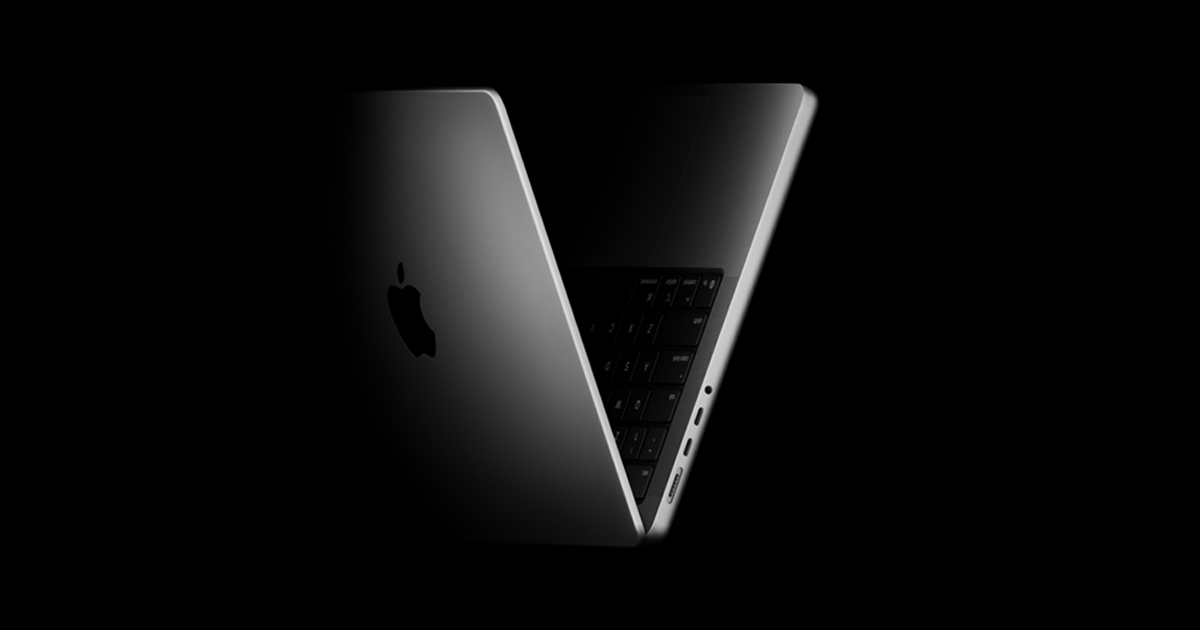
Apple refreshed the MacBook Pro back in March 2026, yet a far bigger overhaul appears to be lined up before the year is out. The display moves from mini-LED to OLED, the Mac gains touch input for the first time, the notch goes away and the chassis gets thinner. The chips inside, however, are not what most people expected.
From mini-LED to OLED
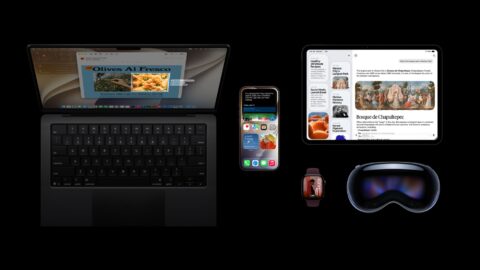
The headline change for the new MacBook Pro is the display technology. Apple is said to be moving from mini-LED to OLED, which would make this the first Mac ever to use an OLED panel. Apple already ships OLED on the iPhone, iPad and Apple Watch, so the Mac has been the last major holdout.
Because OLED can switch individual pixels off entirely, it delivers deeper blacks and higher contrast than mini-LED, which still depends on a backlight. More vivid color reproduction is expected as well. Multiple sources including Ming-Chi Kuo and Bloomberg have pointed to this change, so it looks like one of the firmer parts of the story.
The first Mac you can touch
The display work goes beyond the panel itself. The same refresh is expected to bring Apple its first touchscreen Mac.
What matters here is that this is not simply a touch layer bolted onto the screen. According to Bloomberg, Apple is reworking macOS around touch. Tap a button or a control and macOS surfaces the relevant touch controls for that context. Tap the menu bar and the controls enlarge automatically so they are easier to hit with a finger. Familiar gestures such as pinch to zoom and faster scrolling are supported too.
Touchscreen Mac rumors have come and gone for years, but this time the reporting describes changes to the interaction model of the OS itself, which is a different level of commitment.
Goodbye notch, hello Dynamic Island
The exterior changes as well. Today the FaceTime camera sits in a notch cut into the top of the display. The new model is said to drop the notch in favor of a hole-punch cutout.
On top of that, Apple is reported to be bringing the Dynamic Island to the Mac for the first time. As on iPhone, it would mask the camera cutout while doubling as a place to surface Live Activities and notifications.
The body is also expected to get thinner again. Apple reversed course with the 2021 MacBook Pro, accepting extra thickness in exchange for the return of MagSafe, HDMI and an SD card slot. Trimming that thickness now raises the question of whether any ports come out, and there are no specifics on that yet.
The surprise is the silicon
So far this reads like a straightforward step forward. The twist is what sits inside.
The refresh was widely expected to arrive with M6 Pro and M6 Max chips. Recent reporting instead says it will reuse the same M5 Pro and M5 Max chips found in current models. The reason is that Apple is said to be skipping high-end parts in the M6 generation entirely. M6 would exist only in its base configuration, with no M6 Pro, M6 Max or M6 Ultra.
Apple is reportedly shifting its attention to the M7 generation, where M7 Pro and M7 Max are said to focus on significantly better AI performance. In other words, this MacBook Pro could overhaul the chassis and the screen while leaving raw compute gains for the following generation. Anyone weighing an upgrade will want to think carefully about that trade-off.
Naming and timing are still moving
The branding is up in the air too. Mark Gurman has speculated that Apple might call these machines MacBook Ultra to signal their place at the top of the lineup. The news that they will use M5 Pro and M5 Max chips makes that positioning harder to justify.
As for timing, one view has Apple announcing the new models later this year, likely in October or November. Updating the same product twice in one year sounds odd, but it is not without precedent. Bloomberg has reported that the revamped machines are on track to arrive between late this year and early next year.
Summary
The next MacBook Pro is expected to overhaul everything on the outside at once: the first OLED panel on a Mac, touch input, the removal of the notch in favor of a Dynamic Island, and a thinner body. Inside, it is said to stick with M5 Pro and M5 Max, pushing the next big step in high-end silicon out to the M7 generation. A launch between late this year and early next year is the current expectation, but none of this has been confirmed by Apple, so both the specifications and the timing could still shift.