It has been clarified that mobile batteries and other devices using sodium-ion batteries cannot be brought into an aircraft cabin or placed in checked baggage. Elecom issued a notice on April 28, 2026, and partly corrected its wording on May 1. Behind the move is an update to the list of restricted items published by Japan's Civil Aviation Bureau under the Ministry of Land, Infrastructure, Transport and Tourism (MLIT). Because affected products may be discarded or confiscated at security checkpoints, anyone using these devices should check what they own.
Listed as a Representative Restricted Item in the MLIT Update
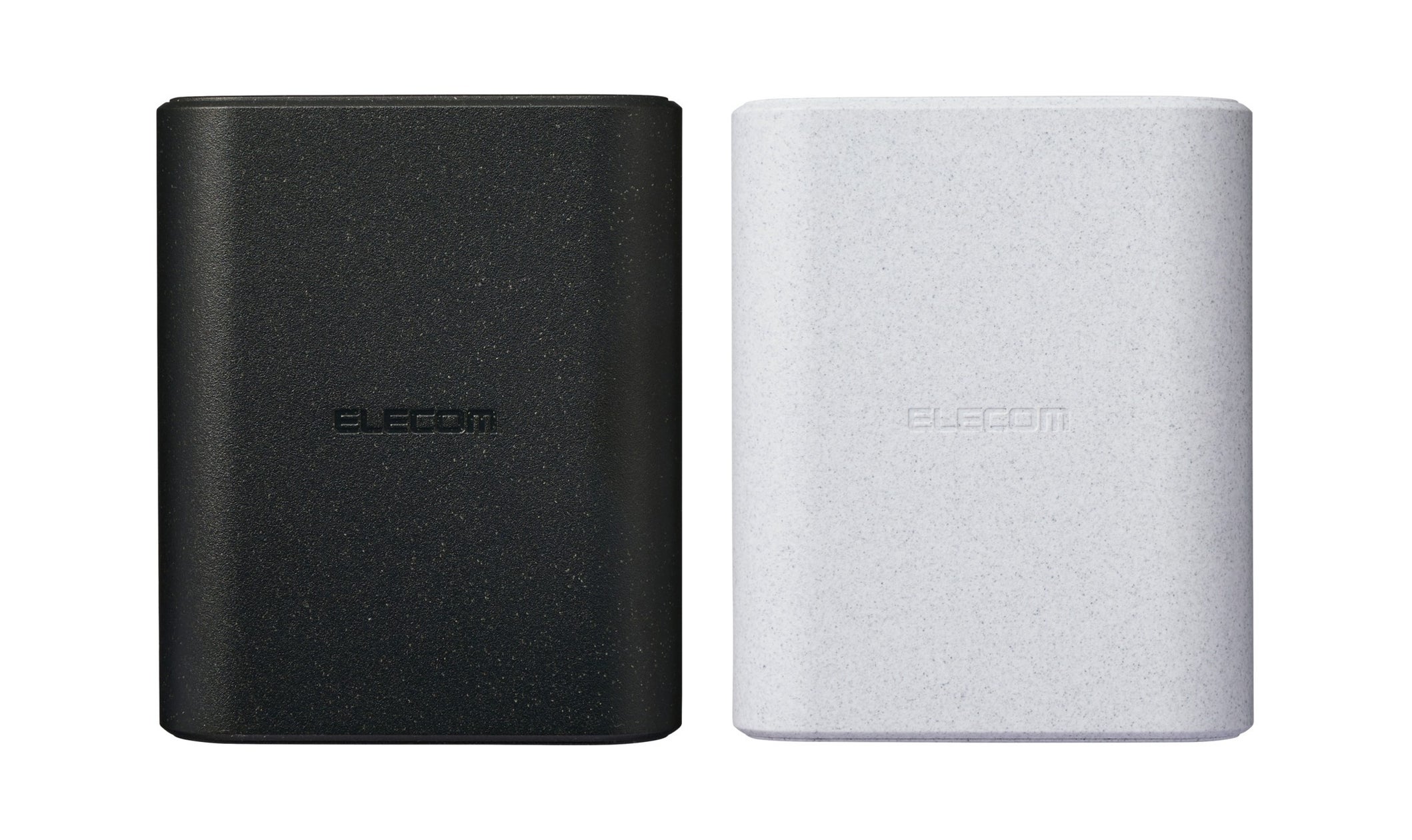
On April 24, 2026, the Civil Aviation Bureau of MLIT updated its "Representative examples of items subject to restrictions for cabin carry-on or checked baggage"[1]. The update explicitly lists sodium-ion batteries, including mobile batteries with built-in sodium-ion cells, as items that cannot be carried into the cabin or checked with an airline[2].
For lithium-ion mobile batteries, it is widely known that carry-on is permitted while checking them is restricted. Separately from that, the sodium-ion batteries that have seen growing adoption in recent years have now been named as a representative restricted item.
Elecom Corrects Its Initial Notice: Air Transport Was Already Prohibited
In response to the bureau's update, Elecom published a notice on April 28, 2026, stating that carrying products with sodium-ion batteries into the cabin "had newly become impossible"[3]. However, the Civil Aviation Bureau pointed out that products carrying sodium-ion batteries had already been treated as not transportable by air as passenger baggage even before that announcement, and the company corrected its wording on May 1[2].
In other words, rather than a rule that "suddenly took effect on April 24," something that had already not been permitted for air transport was simply made broadly explicit through its listing as a representative example[2]. As of now, products equipped with sodium-ion batteries can be neither carried into the cabin nor checked[2]. That said, exceptions may apply depending on each airline's own rules[3].
Elecom says it will progressively correct and remove labeling such as "approved for cabin carry-on" that appeared on some packaging and on its own website[2]. During the transition, old and new packaging may temporarily coexist, so it is important to note that the latest guidance takes precedence[3].
Elecom Products Covered
Elecom lists a total of nine products, covering mobile batteries and handheld fans[3].
The sodium-ion mobile batteries are the three models DE-C55L-9000BK, DE-C55L-9000LGY, and EC-C27LBK. For sodium-ion handheld fans, the models with a cooling plate are FAN-U264BE, FAN-U264GN, and FAN-U264WH, while the compact handheld fans are FAN-U265BK, FAN-U265GN, and FAN-U265WH[3].
These products meet various safety standards, and there is said to be no safety problem in normal everyday use[3]. The measure concerns air transport only, and it does not mean there is any issue with continuing to use the devices at home or while out and about.
What Users Should Do
When flying for travel or business, the affected sodium-ion products cannot be placed in either carry-on or checked baggage[2]. Elecom warns that bringing a covered product to the airport risks having it discarded or confiscated at the security check[3].
If you wish to request a return or refund on the grounds that the product was labeled "approved for cabin carry-on" at the time of purchase, Elecom's Customer Service Office accepts inquiries at the toll-free number 0120-502-501[2]. You can confirm whether a product in your possession uses a sodium-ion battery by checking the model number and the packaging.
Summary
Mobile batteries and handheld fans equipped with sodium-ion batteries can be neither carried into an aircraft cabin nor checked. After the MLIT Civil Aviation Bureau listed them as a representative restricted item, Elecom announced the affected products and the points to watch. Anyone planning to fly should check the model numbers of their devices and avoid bringing them to the airport.
Source: https://www.mlit.go.jp/common/001425421.pdf
Source: https://www.elecom.co.jp/news/important/20260501-01/
Source: https://www.elecom.co.jp/news/important/20260428-01/