On August 20, Google announced a set of personalization updates spanning Search, Discover, and Google News. The headline change is a Preferred Sources button that publishers can embed directly on their own pages. One click adds the site to a reader's preferred list and sends them straight back to where they left off. Discover also gains the ability to accept plain-language requests, and audio briefings in Google News can now be assembled topic by topic.
Adding a preferred source with a single click
Preferred Sources lets people name the outlets they want to see in the Top Stories module in Search. Until now the only way in was the star icon shown next to Top Stories in search results. This update puts a second entry point on the publisher's side.
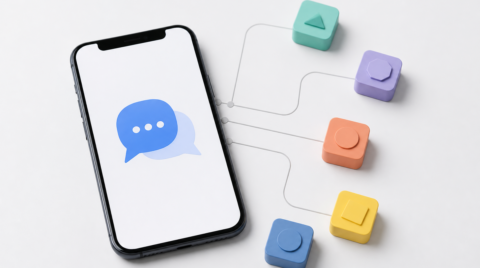
The new button is an interactive component that publishers can embed in their article pages. When a reader clicks it, the site is registered as a preferred source on Google and the reader is returned immediately to the spot they were reading. Because nobody has to detour back to Search to change a setting, the design makes it less likely that readers drop off along the way.
Sites on that list surface more readily not only in Top Stories but also in AI Overviews and AI Mode, the AI-generated summary surfaces. Google says people have now selected more than 600,000 sources in total. The feature became available in every supported language, Japanese included, in April 2026, when the figure quoted was over 200,000. That works out to roughly a threefold increase in a little under 4 months.
The button code is published in Google Search Central documentation, so site owners can pick it up from there.
Discover responds to what you actually type
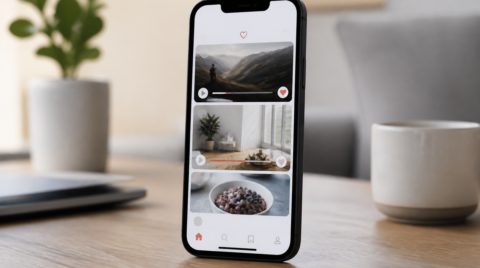
The second change is a tuning control for Discover. Opening the three-dot menu on any card in the feed now lets you write, in your own words, the topics or links you want to see more of and the ones you want to see less of.
The examples Google gives are quite specific: kitchen renovation ideas but only the eco-friendly ones, or weekend road trip videos with nothing about camping. Unlike a binary not-interested button, the instruction can carry conditions and stays in prose. The feed reacts on the spot, and Google says the requests are remembered for later sessions. Rollout in the Google app is expected within days.
Audio briefings you can rebuild around topics
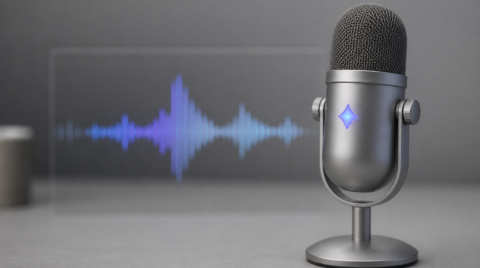
The third piece is the audio briefing in the Android version of Google News. Listeners can now choose which topics go into the daily rundown, with sources named during playback and links out to the full articles.
For major stories, Google says the briefing now goes deeper because more outlets have joined its news AI pilot program. The update is aimed squarely at people who follow the news by ear while on the move.
Can publishers rebuild a direct link to readers
What ties the three together is a shift of control toward the user over whose articles get shown. With AI summaries occupying the top of the results page, there are plainly more moments when a reader never needs to open a link at all. Making user-nominated outlets more visible inside AI Overviews and AI Mode reads as a cushion against that effect.
Back in May, Google said readers were twice as likely to click through to a site after setting it as a preferred source. Even if the effect holds, someone has to press the button first. Putting that button on the publisher's own page is a way of removing the friction from that first step.
There is a flip side. The more finely a reader specifies preferred sources, the closer the result comes to a feed containing only what that reader already wanted. The sharper personalization gets, the more it has to answer for the narrowing of view that comes with it.
Summary
On August 20, Google updated personalization across Search, Discover, and Google News in one go. The three pieces are an embeddable Preferred Sources button for publishers, plain-language tuning for Discover, and topic-selectable audio briefings on Android. With preferred source selections now past 600,000 in total, Google is positioning the package as a way to reconnect publishers and readers directly as AI-driven search spreads.
Reference: Google, "Preferred Sources is now available in all languages." (April 30, 2026)