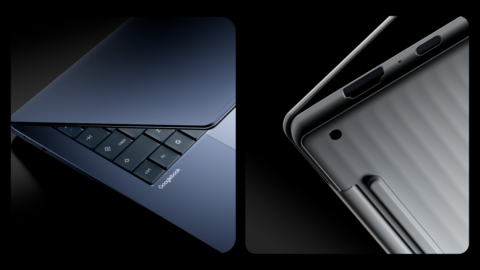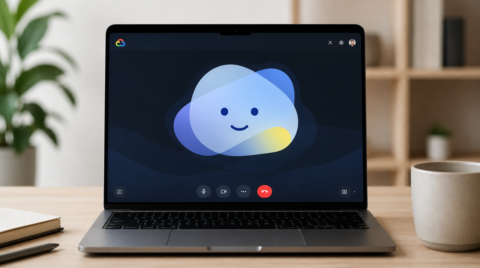
On September 1, Google announced that it is shifting the foundation of its Google Meet hardware for meeting rooms from ChromeOS to Android (AOSP). ChromeOS devices already deployed keep their existing support timelines, with the latest generation receiving updates through September 2030. At the same time, the ChromeOS-based Meet Compute Systems made by Logitech and ASUS will stop being manufactured and sold in the first half of 2027, so corporate meeting rooms will gradually move to Android devices over the next several years.
What is changing
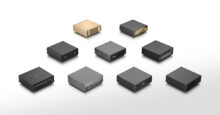
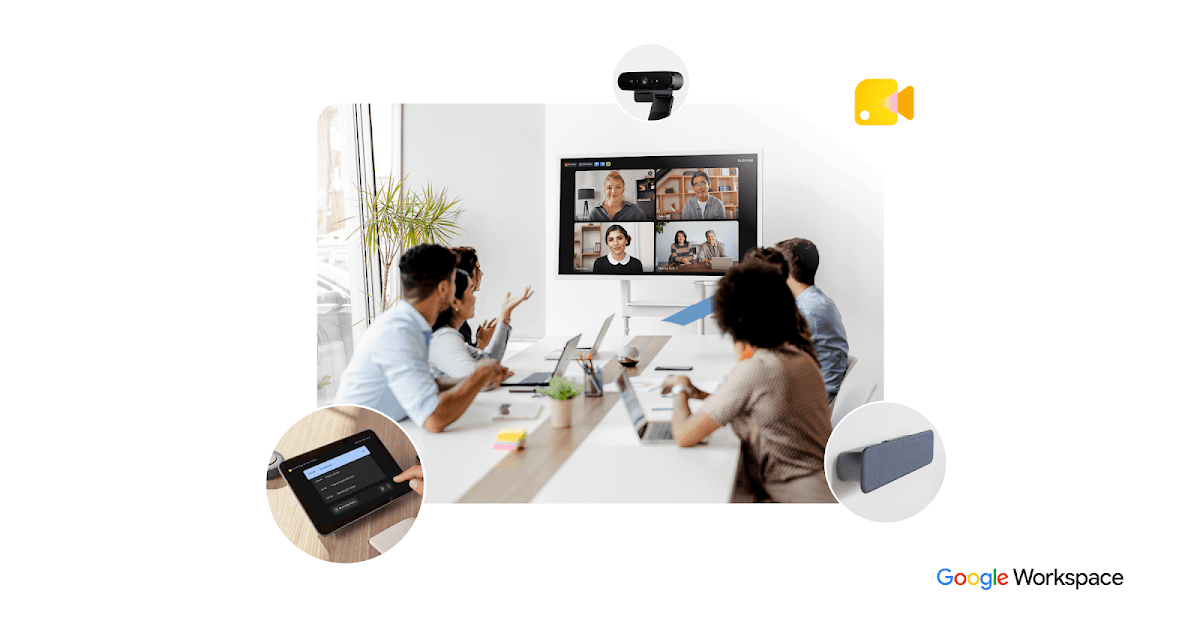
Google Meet hardware is a family of certified devices that connect a camera, microphone, and touch controller to a meeting room display so that a Meet call can start as soon as people walk in. Until now, the core of that lineup has been the Google Meet Compute System, a small ChromeOS-based computer manufactured by ASUS and CTL.
Google now says it is transitioning this hardware portfolio from ChromeOS to Android. It cites three reasons: delivering features faster, broadening the range of devices, and increasing flexibility. The partners named are Logitech, Neat, and HP Poly, and Google says it will offer Meet-certified Android devices for rooms of every size, from small huddle spaces to large boardrooms. Several Android devices intended for large-format spaces are planned for 2027.
What happens to existing ChromeOS devices
Administrators with deployed equipment will naturally want to know how long their current devices will keep working. Google states plainly that existing investments are protected, and it has not changed the previously published support timelines for ChromeOS devices. Security patches, stability updates, and ChromeOS releases will continue to be delivered to all Meet hardware running ChromeOS.
The support dates listed on Google's help page fall into three tiers by generation. The original ASUS/CTL Google Meet Compute System and Series One are supported through June 2028; models with 10th-generation Intel CPUs, along with the Series One Desk 27 and Series One Board 65, through June 2029; and the newest models with 13th-generation Intel CPUs through September 2030. The "up to September 2030" in the announcement refers to these 13th-generation devices.
Once a device passes its date, it appears as "Unsupported" in the Admin console and the Meet app is no longer guaranteed to work reliably. Devices such as the ASUS Chromebox 3 and CTL Chromebox CBx1, which have already reached Auto Update Expiration (AUE), no longer receive updates.
When ChromeOS devices stop being sold
The window for buying new ChromeOS devices, however, is closing in stages. According to Google, manufacturing and sales will end in February 2027 for the Logitech/CTL Google Meet Compute System and in April 2027 for the ASUS Google Meet Compute System.
Google encourages customers who want to add ChromeOS devices to match their existing fleet, particularly for large event spaces, to purchase them as soon as possible. In other words, from spring 2027 onward it will be difficult to obtain a new ChromeOS-based Meet device.
Why Android
Google lists four benefits of moving to Android. The first is device variety: a wider range of form factors, including compact all-in-one devices, video bars, and integrated room solutions. The second is enterprise stability, with Google saying Android devices deliver the performance, responsiveness, and stability customers have relied on with ChromeOS. The third is hardware flexibility. Certified AOSP devices can run multiple video conferencing solutions, so rooms can be repurposed without replacing equipment, protecting the investment. The fourth is long lifecycles, with Meet-certified devices engineered for long-term reliability and predictable software support.
The list of AOSP-certified devices on the help page bears this out. The Neat Bar Generation 2 and Neat Bar Pro, certified in 2026, have Meet support through January 2033; the Logitech Rally Board 65 and Neat Board 50 through May 2033; and the Poly X72 through May 2031, all longer than the ChromeOS devices. After those dates, support is best-effort for at most one additional year, and anything beyond that depends on agreements with the OEMs.
Google also says Android-based Meet devices will accelerate the rollout of AI features such as "Take notes for me," which lets AI take meeting notes automatically. Partners already sell Meet-certified AOSP devices, and Google plans to certify more next-generation devices and qualified peripherals.
Summary
Google Meet hardware is shifting its foundation from ChromeOS to Android (AOSP). Existing ChromeOS devices keep their support timelines, with the latest generation updated through September 2030, so nothing stops working right away. However, the ChromeOS devices from Logitech and ASUS will leave the market between February and April 2027, and new deployments after that will center on Android devices from Logitech, Neat, and HP Poly. Administrators planning room refresh cycles should check the generation and support date of their current devices and decide when to move to Android.