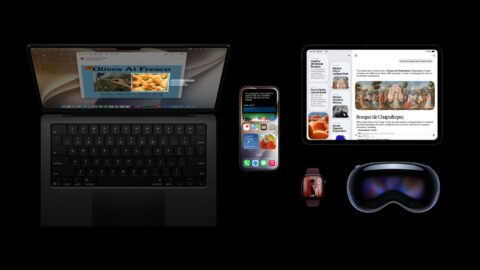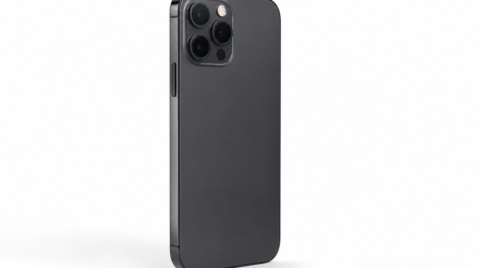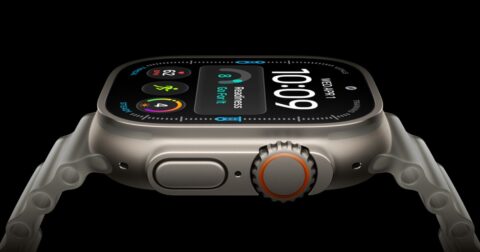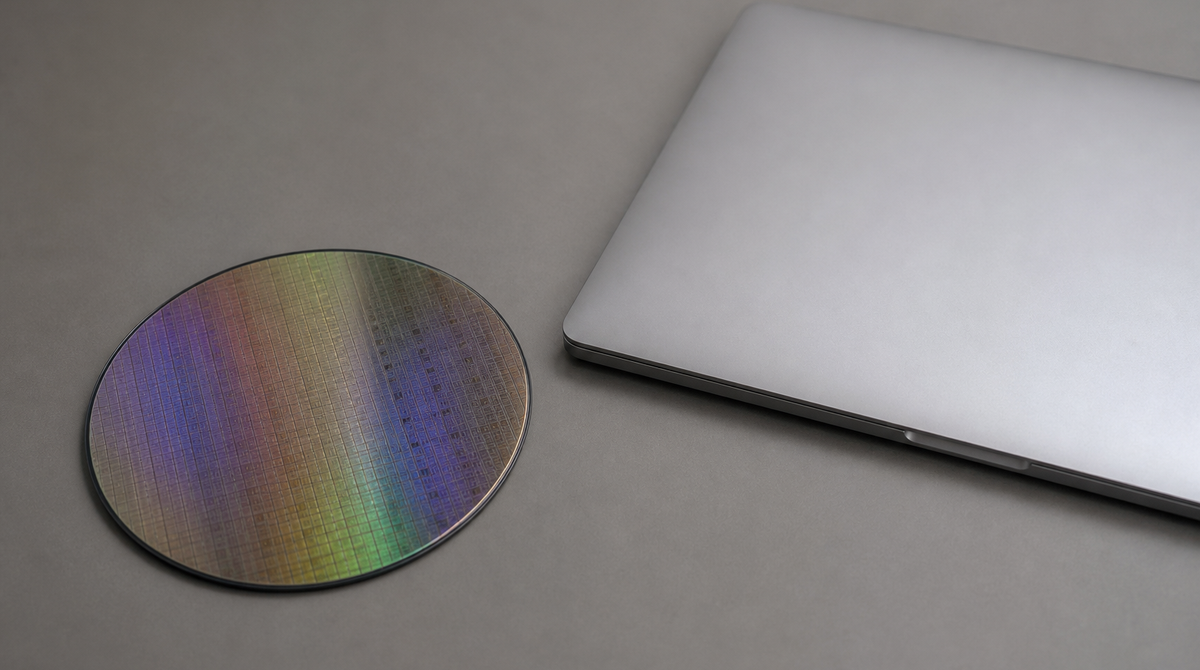
Apple and Intel have reached a preliminary agreement for Intel to manufacture some of the chips used in Apple devices, according to a report from The Wall Street Journal[1]. After more than a year of intensive talks and recent months spent finalizing terms, the deal stands as a symbolic step toward diversifying Apple Silicon production away from TSMC and bringing more chip manufacturing back to the United States — a shift that triggered an immediate market reaction.
What the WSJ Report Says
On May 8, 2026, The Wall Street Journal reported, citing people familiar with the matter, that "Apple and Intel have reached a preliminary agreement for Intel to manufacture some of the chips that power Apple devices"[1]. Apple ships more than 200 million iPhones a year, plus millions of iPads and Macs, but the report stops short of naming which products will use Intel-made silicon[1]. Earlier, on May 5, Bloomberg reported that Apple was exploring partnerships with both Intel and SAMSUNG to build its main device chips inside the United States[2].
In the lead-up to the announcement, analyst Ming-Chi Kuo flagged in November 2025 that Apple might tap Intel for future M-series chips destined for Macs and iPads, while Jeff Pu suggested in December that the partnership could eventually extend to iPhone silicon[1]. Market research firm TrendForce reported on April 29 that Apple has begun qualifying Intel's 18A process for its lowest-end M-series processor, has already signed an NDA with Intel, and has received the 18AP PDK 0.9.1GA — putting potential production silicon shipments in the second or third quarter of 2027[3].
Markets and Politics React
U.S. markets responded sharply: Intel shares jumped roughly 15 percent on the news, while Apple gained about 1.7 percent[4]. Intel had already climbed more than 175 percent year-to-date in 2026, with speculation about Apple negotiations adding fresh momentum[5].
Behind the deal sits aggressive U.S. government involvement. The WSJ reports that "President Trump personally advocated for Intel to Cook in a meeting at the White House," and Commerce Secretary Howard Lutnick has held repeated meetings over the past year with Tim Cook, SpaceX's Elon Musk, and NVIDIA's Jensen Huang to push them toward Intel contracts[1][6]. Intel went through a recapitalization in 2025 that made the U.S. government its largest shareholder, and CEO Lip-Bu Tan has set a 2027 break-even target for Intel Foundry[7]. Adding Apple to a customer list that already includes Amazon, Microsoft, Tesla, and the U.S. government would put that target meaningfully closer[7].
What the Deal Means for Apple
For Apple, the agreement marks the first major step toward diversifying a chip supply chain that has leaned almost entirely on TSMC since the Apple Silicon transition. TSMC's leading-edge lines are also coveted by NVIDIA and AMD for AI accelerators, making capacity itself a strategic concern[6]. Intel's 18A — anchored in Arizona — would raise the share of Apple chips manufactured in the United States, helping Apple's standing with Washington and easing tariff exposure[1][6].
That said, both the WSJ and 9to5Mac note that "which products" and "which generation of Apple Silicon" remain unspecified, with the leading scenario being entry-level M-series chips launching in 2027[1][3]. Intel's Lip-Bu Tan has also signaled that the next-generation 14A process is maturing faster than 18A did at the same stage and that external 14A design commitments should start emerging in the second half of 2026, suggesting the Apple relationship could persist beyond 18A into the 14A generation[5][8].
It is also worth recalling that Apple parted ways with Intel CPUs in Macs back in 2020 in favor of its own Apple Silicon. Roughly six years later, the two companies are reconnecting in a new "designer-and-foundry" relationship[6].
Summary
The preliminary Apple-Intel deal reported by The WSJ is the first serious move to expand Apple Silicon production beyond TSMC, and it gives Intel Foundry a marquee customer that strengthens its turnaround thesis. Specific products and timing remain under wraps, but combined with strong U.S. political support and the readiness of Intel 18A, entry-level Mac chips arriving in 2027 look like the most likely first target. The next official statement from either company will be the one to watch.
※1 USD ≈ 157 JPY (as of May 4, 2026)
出典:https://9to5mac.com/2026/05/08/apple-and-intel-have-reached-a-deal-to-produce-future-chips-report/
出典:https://www.bloomberg.com/news/articles/2026-05-05/apple-explores-using-intel-and-samsung-to-build-main-device-chips-in-the-us
出典:https://www.trendforce.com/news/2026/04/29/news-intel-foundry-gains-momentum-apple-reportedly-eyes-18a-p-as-google-explores-advanced-packaging/
出典:https://www.cnbc.com/2026/05/08/intel-stock-apple-chip-deal.html
出典:https://www.fool.com/investing/2026/05/05/intel-is-rocketing-higher-on-reports-that-it-may-p/
出典:https://www.tomshardware.com/tech-industry/semiconductors/apple-reportedly-strikes-deal-for-intel-to-make-some-of-its-chips-two-tech-giants-reached-a-preliminary-agreement-for-intel-to-make-processors-for-cupertino
出典:https://wccftech.com/intel-foundry-breakeven-target-for-2027-now-looks-a-lot-more-real/
出典:https://www.tomshardware.com/tech-industry/semiconductors/intel-is-going-big-time-into-14a-says-ceo-lip-bu-tan-serve-the-customer-well-remark-hints-at-external-client