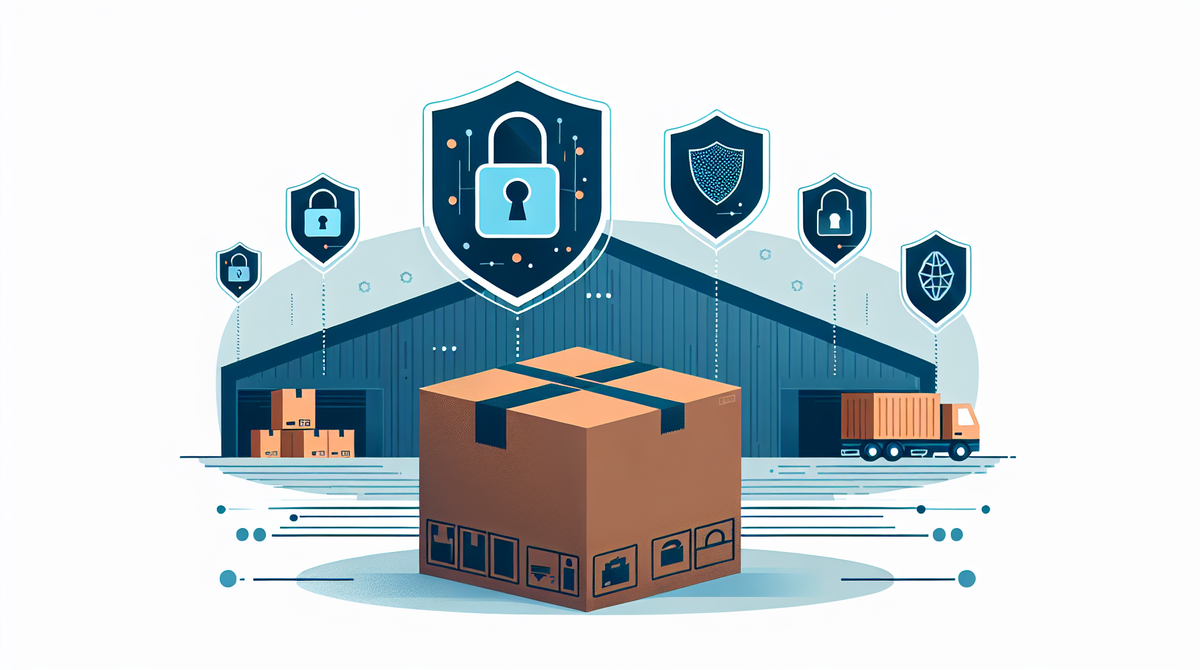
On April 23, 2026, Amazon published its first Trustworthy Shopping Experience Report, a comprehensive overview of how the company protects customers, selling partners, and brands across its global stores[1][2]. Authored by Rohan Oommen, Vice President of Worldwide Customer and Partner Trust, the report highlights a shift toward predictive, AI-driven detection and reveals that Amazon blocked an estimated hundreds of millions of fake reviews before they reached the storefront in 2025[1][3].
AI Blocks Hundreds of Millions of Fake Reviews Before Display
Amazon has published an annual Brand Protection Report since 2021, but the new document is rebranded as the first Trustworthy Shopping Experience Report, broadening its scope beyond counterfeits to include organized retail crime, product safety, scam prevention, and review authenticity[1].
In the review integrity stream, an automated system analyzes thousands of data points—including review history reaching back to 1995—across billions of reviews before any of them surface on a product page[1]. Amazon says the pipeline blocked an estimated hundreds of millions of fake reviews ahead of listing in 2025 alone[1][3].
On the catalog side, automation and AI scan billions of attempted changes to product detail pages and seller activity each day, combining multi-modal signals across text, imagery, seller behavior, and supply-chain patterns to flag risk before it reaches customers[1]. In 2025 the company rolled out Omniscan, a machine-learning system that validates the legibility and wording of safety-critical information on product listings before they go live, across fulfillment networks in the United States, Canada, the United Kingdom, Turkey, Saudi Arabia, and Europe. Omniscan has generated image sets for more than 12 million products[1][4].
Amazon also detailed predictive operations with concrete numbers. Its Early Warning System detects threats against new brands and products before they are listed in the catalog, fusing real-time signals from social media and other retailers so that potential infringement can be inferred even before a brand owner shares new intellectual property (IP)[1][2]. As a 2025 example, Amazon flagged attacks targeting a new brand product that had been trending on social media and blocked the at-risk listings eight days before the brand owner shared the IP[1][3].
For scam sites, the AI technology SENTRIX automatically identifies suspected phishing domains and has improved Amazon's phishing-URL takedown success rate by more than 10 percent[1][4]. In 2025, legal action by Amazon led to the shutdown of more than 100 websites that were facilitating fake reviews or fraud targeting Amazon's stores, and the company joined 10 organized retail crime (ORC) task forces led by U.S. state attorneys general[1][3].
The Counterfeit Crimes Unit (CCU) cumulative track record is also referenced: since its launch in 2020, CCU has pursued legal action or referred criminal charges against more than 32,000 bad actors across 14 countries[1][2]. In 2025 alone, Amazon identified and disposed of more than 15 million counterfeit products globally and, through collaboration with Chinese law enforcement and brands, helped drive more than 70 successful enforcement actions against the makers, suppliers, and distributors of counterfeit goods[1].
Japan: 60 Million 'Anshin' Safety Emails and a Babycare Safety Handbook
A dedicated section covers Japan-specific programs. The Anshin Mail program, launched locally in 2017, delivers safety information from consumer safety experts and public agencies to customers who purchase specific products; in 2025 it sent more than 60 million safety-information emails to customers in Japan[1].
The Babycare Safety Handbook, which had previously launched in the United States, was extended to Japan in December 2025. Covering seven safety categories—including infant transport, feeding, and safe sleep—it is positioned as a comprehensive resource for new families[1]. During Amazon's annual November Product Safety Month, Amazon ran 14 internal and external sessions in partnership with the Ministry of Economy, Trade and Industry (METI), the Nippon Association of Consumer Specialists (NACS), and the National Institute of Technology and Evaluation (NITE)[1].
The report also discloses for the first time that Amazon worked with 34 consumer organizations across seven countries on 71 priority safety topics[1][2]. Its "Recalls and Product Safety Notices" page is described in detail as well: when a government announces a recall, affected customers receive a personalized notification linking directly to risk details and refund, return, or repair options[1].
Summary
With the Trustworthy Shopping Experience Report, Amazon rebrands its previously counterfeit-focused Brand Protection Report into a broader, predictive-AI-led trust and safety disclosure. Releasing the figures for fake reviews blocked, infringement listings caught before IP was shared, and 15 million counterfeit products seized in a single document is the headline change, and the full report is available on the Trustworthy Shopping site[2].
Source: https://www.aboutamazon.jp/news/innovation/amazon-2025-trustworthy-shopping-experience-report
Source: https://trustworthyshopping.aboutamazon.com/2025-trustworthy-shopping-experience-report
Source: https://www.aboutamazon.com/news/policy-news-views/amazon-trustworthy-shopping-experience-report-2025
Source: https://trustworthyshopping.aboutamazon.com/eight-ai-innovations-enhancing-trust-amazon-shopping