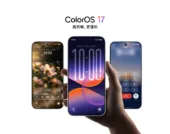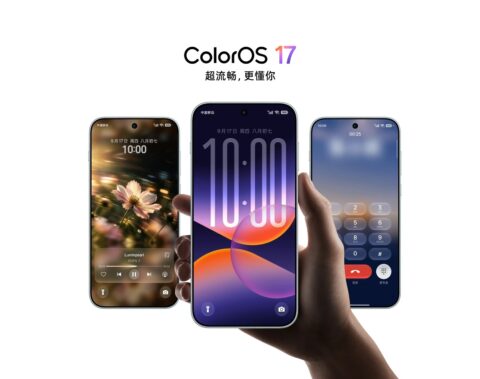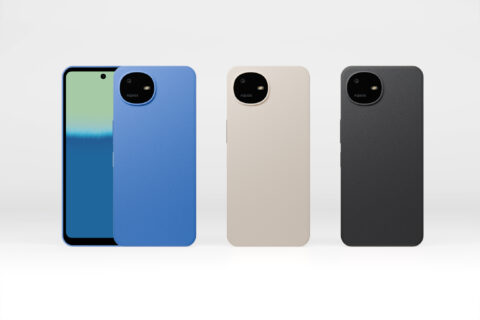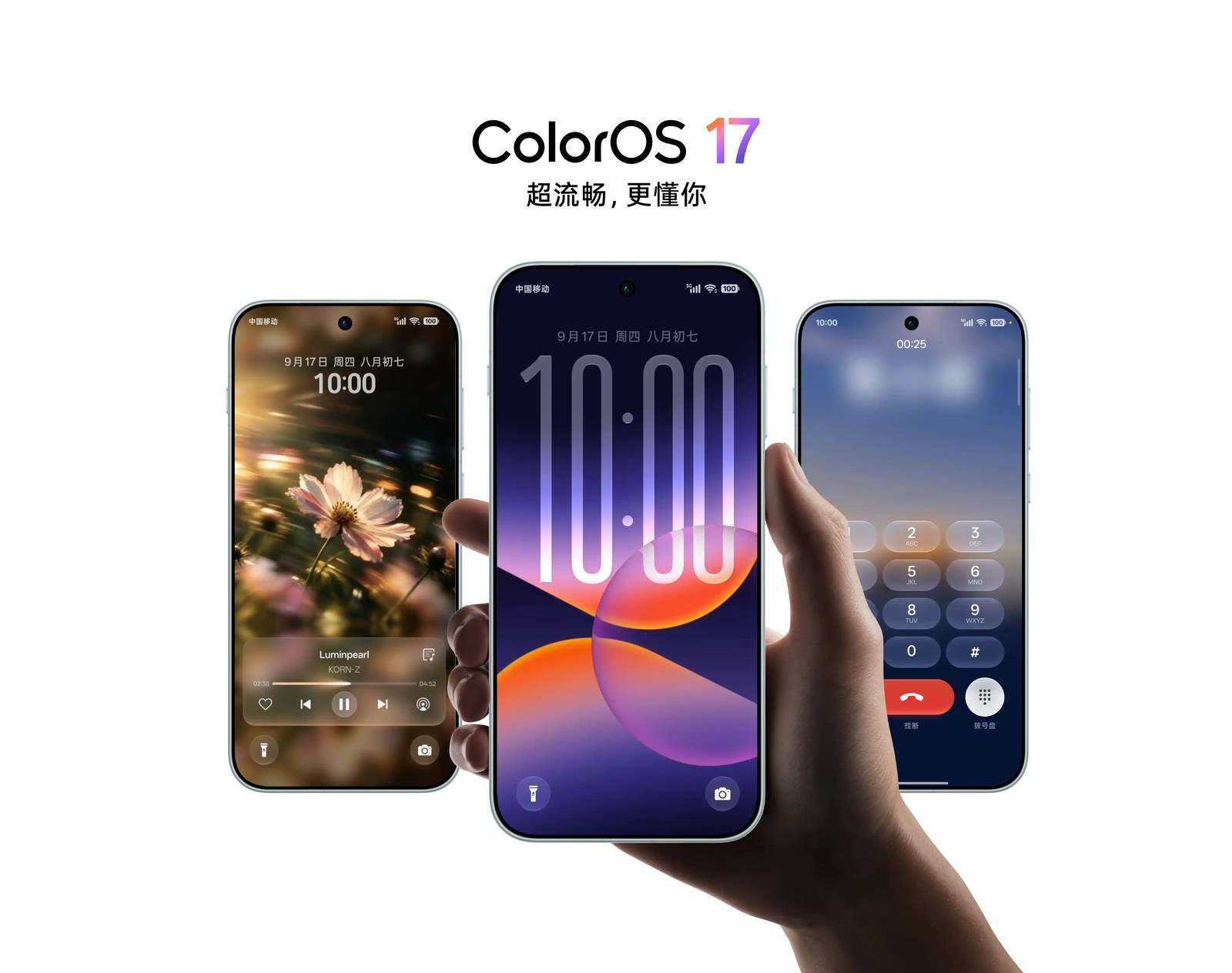
OPPO officially announced ColorOS 17, the next version of its smartphone operating system, on September 17, 2026 at its developer conference ODC26 in Zhuhai, China. Built on Android 17, the release centers on three pillars: a system-wide Fluid Design that unifies visuals and motion, an Aurora Engine that handles rendering and memory, and a Tidal Engine that manages background apps. AI features have also been expanded substantially across photo editing, notes, and the Xiaobu voice assistant. The new OS will ship preinstalled on the upcoming Find X10 series, the OnePlus 16, and the OPPO Watch S2, while stable builds for existing devices begin rolling out in China on October 8. More than 130 models across the OPPO, OnePlus, and realme brands are slated to receive it, but no timeline has been given yet for global markets, including Japan.
Fluid Design: Unifying How Everything Moves
The most visible change in ColorOS 17 is Fluid Design, a design language that keeps the entire system consistent. Translucent blur effects, floating navigation keys at the bottom of the screen, broader lock screen customization, and animated notifications all follow the same grammar across apps. By keeping animations and touch feedback uniform, OPPO wants to make it less noticeable when you cross from one app into another.
Powering these effects is the Aurora Engine, which is integrated into the rendering pipeline itself. OPPO says it cuts the memory used at app launch and during runtime by 25 percent and reduces rendering workload by up to 30 percent. The pitch is that the interface can look richer while also becoming lighter, and the company is backing that claim with numbers.
Tidal Engine: Better Background Retention
The second performance pillar is the Tidal Engine. It learns which apps you use, how often, and for how long, then allocates system resources to match. Its standout idea is memory retention: if you switch away while halfway through a social feed or in the middle of filling out a form, the background state is preserved so you can pick up where you left off when you return.
The figures OPPO cited are a 55.6 percent improvement in background app retention, up to 50 percent faster scrolling and loading in third-party photo galleries, 30 percent faster mini-program launches, and 15 percent faster app-to-app transitions. Chinese smartphone users rely heavily on mini-programs that run inside apps such as WeChat, so including their launch speed as a performance metric reflects the home market.
Major AI Expansion for Photos and Notes
The most tangible AI addition is AI Photo Editor. It brings object removal, reduction of motion and shake blur, and color and tone adjustment into a single editing screen, and it can suggest edits and templates. A feature called Reference Image Replication transfers the colors, lighting, or skin tones of one photo onto the one you are editing. Behind the scenes runs what OPPO calls the Da Vinci Visual Understanding Model, which combines six specialized models covering light and shadow, image quality, composition, color, portraits, and image elements. Photo output supports native 2K ProXDR.
AI Memory Gallery automatically organizes scattered photos and adds AI-written text to turn them into narrative photo blogs. An Album Direct Connection feature links to third-party cameras and NAS devices so you can browse the latest footage without consuming phone storage.
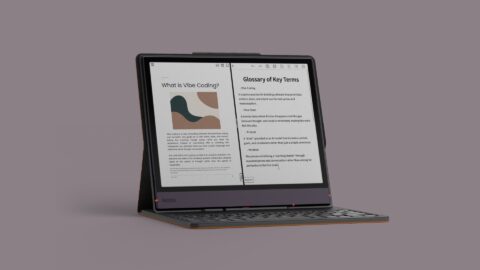
Notes received a substantial overhaul as well. The new AI Notes lets you record meeting audio while taking notes at the same time, with photos attached. You can import books, videos, and ideas with a single tap to build structured knowledge notes, and export an overview diagram of the content for sharing. Inspiration Moment cards resurface ideas you saved earlier.
Xiaobu Becomes a Gateway to Everyday Services
Xiaobu, the voice assistant for the Chinese market, moves to a next-generation version in ColorOS 17. At its core is Xiaobu Space, which gathers personal tasks and matters, flags things such as bills coming due or forgotten reservations, and offers entry points to the relevant services. For travel, a single sentence is enough to generate an illustrated itinerary that is broken down into transportation, accommodation details, and precautions and imported into Xiaobu Space. Suggestions cover more than 700 service scenarios, according to OPPO.
For getting around, AI Fluid Cloud combines walking, bus, and subway navigation with proactive reminders about the nearest subway entrance, the next transfer, and the station where you need to get off. AI One-Touch Flash Note saves courier pickup codes and contact details and can even set alarms for ticket sales, while AI Snap-and-Shoot lets you point the camera at something to get an explanation, sharpen a document, see calorie information, or connect to Wi-Fi. All of these are tightly bound to services inside China, so how much of this carries over to global builds is something to watch for in future announcements.
Connecting Cars, Cameras, Earphones, and Watches
On the cross-device front, Car+ links the phone directly to a vehicle. Its signature feature is Walking-Navigation Handover: the moment you get into the car during a walking route, the map moves to the vehicle's large display. Earphones gain real-time conversation interpretation, translating the other person's speech into your ear while broadcasting your own words in their language through the phone's speaker.
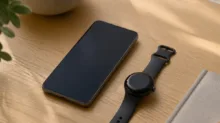
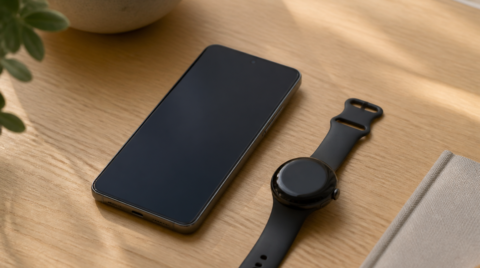
For smartwatches, a FatMax fat-burning mode calculates a personalized heart rate zone for fat burning and uses voice guidance during exercise to steer you toward the right intensity. Sports Fluid Cloud displays heart rate and calories burned in real time on a phone or tablet, so you can check your status without raising your wrist while watching a video on an incline or following a workout routine. Watch gestures have been expanded too: double-tap your index finger and thumb to skip songs or videos, flip your wrist and double-tap to go back, and trigger the phone's camera shutter from the watch. Watch faces can now be customized in modular blocks.
Anti-Fraud and Accessibility
On security, three features are new: AI Cross-App Anti-Fraud, which spots scam patterns across apps; AI Face-Swapping Detection, which identifies deepfake face swaps; and AI Call Anti-Fraud, which detects scams during calls. The system builds a personalized behavior model and flags suspicious activity depending on the usage scenario.
For accessibility, the screen reader that describes touched text, buttons, and images by voice has been strengthened, with guidance tailored to scenarios such as hailing a ride, traveling, shopping, and entertainment. When taking photos, it offers spoken guidance on framing and describes subjects in more refined language. A new Care Mode turns on the related settings with a single tap.
Rollout Schedule Covers China Only; Japan Still Unknown
Stable builds for existing devices begin in China on October 8 with the latest flagships: the Find N6, Find X9 series, OnePlus 15 and 15T, and realme GT8 Pro. October 16 brings the Find N5, Find X8 series, OPPO Pad 5 Pro, Pad Mini, OnePlus 13 and 13T, OnePlus Pad 3 Pro, and the realme GT7 Pro, GT8, and Neo8, followed by the OPPO Watch X3 series and OnePlus Ace 6 series on October 20, the Reno16 and Reno16 Pro on October 22, and the OPPO Watch X2 series on October 30. A large group follows on November 26, including the Find N3 series, Find X7 series, Reno15 and Reno14 series, K15 series, OnePlus 12, Ace 5 series, Turbo 6 series, and realme's GT, Neo, and 15 series, and December 26 covers the OnePlus 11, Ace 3 series, realme GT6, realme 14 series, and others. The Find N2 and N2 Flip are scheduled for the first quarter of 2027.
It is worth stressing that all of these dates apply to mainland China. OPPO has not yet published a rollout plan for the global version of ColorOS 17, so there is no word on when devices sold in Japan such as the Find X9 Ultra, Reno16, and OnePlus models will receive it. Global availability will require a separate announcement. For Japan, another open question is how the Xiaobu features that depend on Chinese domestic services will be replaced.
Summary
ColorOS 17 unifies visuals and motion through Fluid Design and puts numbers behind lightness and pick-up-where-you-left-off continuity with the Aurora and Tidal engines. Its AI features for photo editing, notes, and the assistant are deeply tied to services in China, making the scope of the global build the next thing to watch. Rollout in China begins October 8, but the timing for overseas markets including Japan has not been announced and remains to be seen.