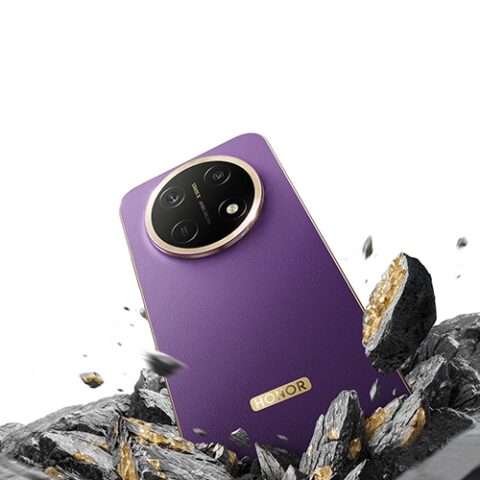

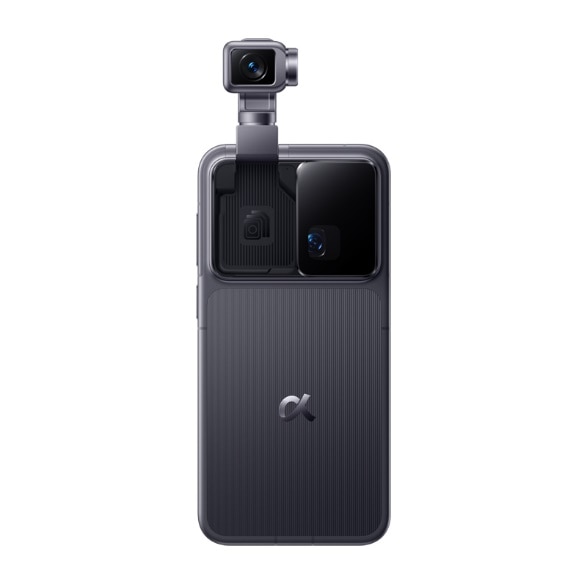
Honor has confirmed that the Robot Phone, a handset whose camera module physically extends from the body and moves on its own, will be unveiled on August 12, 2026. At an imaging technology event in China the company detailed the triple rear camera setup and a self-designed image signal processor, and it is also leaning on a collaboration with German cinema camera maker ARRI to bring film-grade color handling to the device. China comes first, and pre-orders are already open.
The launch date collides with Pixel 11
Honor has publicly set August 12 as the launch date. Google is scheduled to reveal the Pixel 11 series on the same day, putting two high-profile events on the same page of the calendar. The Robot Phone, however, is a China-market product for now, and Honor has given no timing for a global rollout, so the overlap is unlikely to translate into a direct fight.
Pre-orders are already running on Honor's official site. Early buyers pay a 500 CNY deposit (about 12,000 yen), but that only opens a priority purchase channel. It does not reserve a unit or lock in a color or storage option. Once the order confirmation window opens, deposit holders pick their configuration, and after Honor accepts the order the balance must be paid within 24 hours. Supply is limited, so allocation follows the order in which payments are completed.
※1 CNY = 23.8 JPY (as of July 31, 2026)
A gimbal arm that swings out of the body
The centerpiece of the Robot Phone is a mechanical gimbal built into the top of the chassis. It pairs a titanium arm with four degrees of freedom with a set of miniature motors, and Honor says the assembly takes up 70 percent less space than a conventional gimbal mechanism. The arm sits flush with the body in daily use and deploys with a single tap when the camera is needed.
Once extended, it rotates a full 360 degrees, tracks a subject automatically and adjusts framing on its own. Stabilization is rated at CIPA 5.5 stops, a level that should allow walking video without carrying a separate handheld stabilizer.
Making that motion possible is a motor Honor developed in-house. It weighs just 2.6 grams, which the company describes as 65 percent smaller than existing gimbal motors while delivering 35 percent higher torque density. Honor says more than 100 patents cover the mechanism alone. The miniaturization and reliability work built up through its foldable hinge development clearly feeds into this part of the design.
A 200MP main camera and a custom ISP
There are three rear cameras. The main unit is a 200MP sensor measuring 1/1.28 inches with an f/1.6 aperture, and it is the one mounted on the gimbal. The other two are fixed in the body: a 50MP ultra-wide and a 200MP periscope telephoto. Assigning 200MP to the telephoto as well suggests a design built around cropping.
Image processing runs on Honor's new in-house ISP, the Yuguang H1. It handles white balance, exposure, tone, glare suppression and detail enhancement across all three cameras in real time on the device. Alongside it sits AIMAGE 2.0, a stabilization engine aimed at steadying footage shot while moving.
Honor does not intend to keep this camera stack exclusive to the Robot Phone. The technology is expected to appear in future Honor handsets, including the upcoming Magic 9 series.
What the ARRI collaboration brings
The second pillar is the technical collaboration with ARRI. The two companies signed a strategic technical partnership in March 2026, and the Robot Phone is where it takes physical form. In practice that means LogC3 recording, the wide ARRI Wide Gamut 3 color space and ARRI Looks color presets built into the phone.
The intent differs from a filter that finishes an image on capture. LogC3 records while preserving as much brightness and color information as possible, leaving headroom to finish the shot in editing. On the device, LUT-based color grading is supported, along with manual locks for focus, white balance and exposure. The ability to export camera movement data also points to a workflow that assumes later compositing and adjustment. The two companies have also announced plans for a joint imaging lab.
Internals and sales configurations
The processor is the Snapdragon 8 Elite Gen 5. On the software side, the Robot Phone may be the first device to carry the core of Honor's forthcoming AgenticOS. Two colors are planned, Star Trail Silver and Moon Shadow Gray, in two memory and storage combinations: 12GB plus 512GB, and 16GB plus 1TB.
Honor has also refreshed its corporate logo, saying it has entered the next phase as an AI terminal ecosystem company. A phone with a moving camera makes an unusually literal signboard for that shift.
Summary
The Honor Robot Phone is built around three things: a titanium gimbal with four degrees of freedom, a 200MP main camera paired with the in-house Yuguang H1 ISP, and ARRI's color science. The launch is set for August 12 and targets China first. How well a chassis with moving parts holds up over time, and how close the video output actually lands to a cinematic finish, will have to wait for hardware in reviewers' hands.