A leaked video of an experimental operating system that Microsoft reportedly built internally, codenamed Project Aion, is drawing attention from tech watchers around the world. The concept fuses Windows with the Copilot AI assistant and strips away three decades of desktop conventions, including the Start menu and the taskbar. The footage is said to be about two years old and the project is likely no longer active, but it offers the clearest look yet at how far Microsoft was willing to push its agentic AI ambitions.
Copilot Becomes Windows Itself
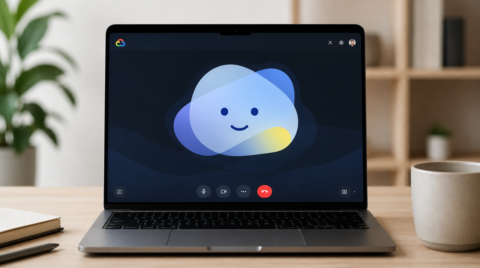
Today, Microsoft positions Windows and Copilot as two separate things: an operating system, and an assistant that rides on top of it. In the leaked Project Aion video, however, Copilot is not a bolt-on feature but the very core of the system. It absorbs the Start menu, the taskbar, and the familiar desktop workflow, presenting a new interface in which the AI is the starting point for everything you do.
The clip reportedly first surfaced through BetaWiki's Discord server, and multiple people are said to have confirmed that it is genuine. Even so, it remains unclear whether Aion was an internal hackathon experiment or a serious attempt at a shipping product.
A Web-Based "Win3" Codebase and an Edge-Powered Shell
The most striking technical detail is that Aion runs on a new Windows codebase called Win3, described as lightweight and built entirely on web technologies. The Edge browser, and by extension Chromium's rendering engine, serves as the shell that powers the experience.
At the center of the interface is a multi-modal input box. Type an instruction and Copilot is meant to handle everything from searching for files to launching apps and browsing the web. There is also a concept called Spaces, in which the AI groups related apps and websites by purpose so they can be recalled quickly whenever they are needed.
No Native Win32 Apps, With Legacy Software Streamed From the Cloud
Because the design leans so heavily on web technology, Aion cannot run traditional Win32 applications such as Word locally. When such software is required, the system instead provides a link to Windows 365, Microsoft's cloud PC service, so the program can be run remotely and safely. This approach trades local self-sufficiency for a heavier reliance on the cloud.
Aion also includes so-called rich plugins that work with Copilot. From the input box, for example, a user could draft and send an Outlook email to a colleague, with the AI writing the message based on the contents of the current Space.
Reactions to the leak have not been entirely positive. Many have raised concerns about weaker support for local apps and about the privacy implications of having AI involved at all times. After initially trying to embed Copilot into every corner of Windows 11, Microsoft now appears to be easing off that push. Even so, Copilot keeps taking on more agentic roles, and the Edge browser alone can already perform some of the tasks Aion was designed to deliver.
Summary
Project Aion offers a glimpse of just how far Microsoft was prepared to go in placing Copilot at the heart of the operating system. It is a two-year-old experiment that probably does not map directly onto any current product, yet it stands as one answer to the question of what a desktop would look like if it were rebuilt from scratch around an AI agent. The concept is divisive, but it is a revealing look at where Windows and Copilot could be heading.