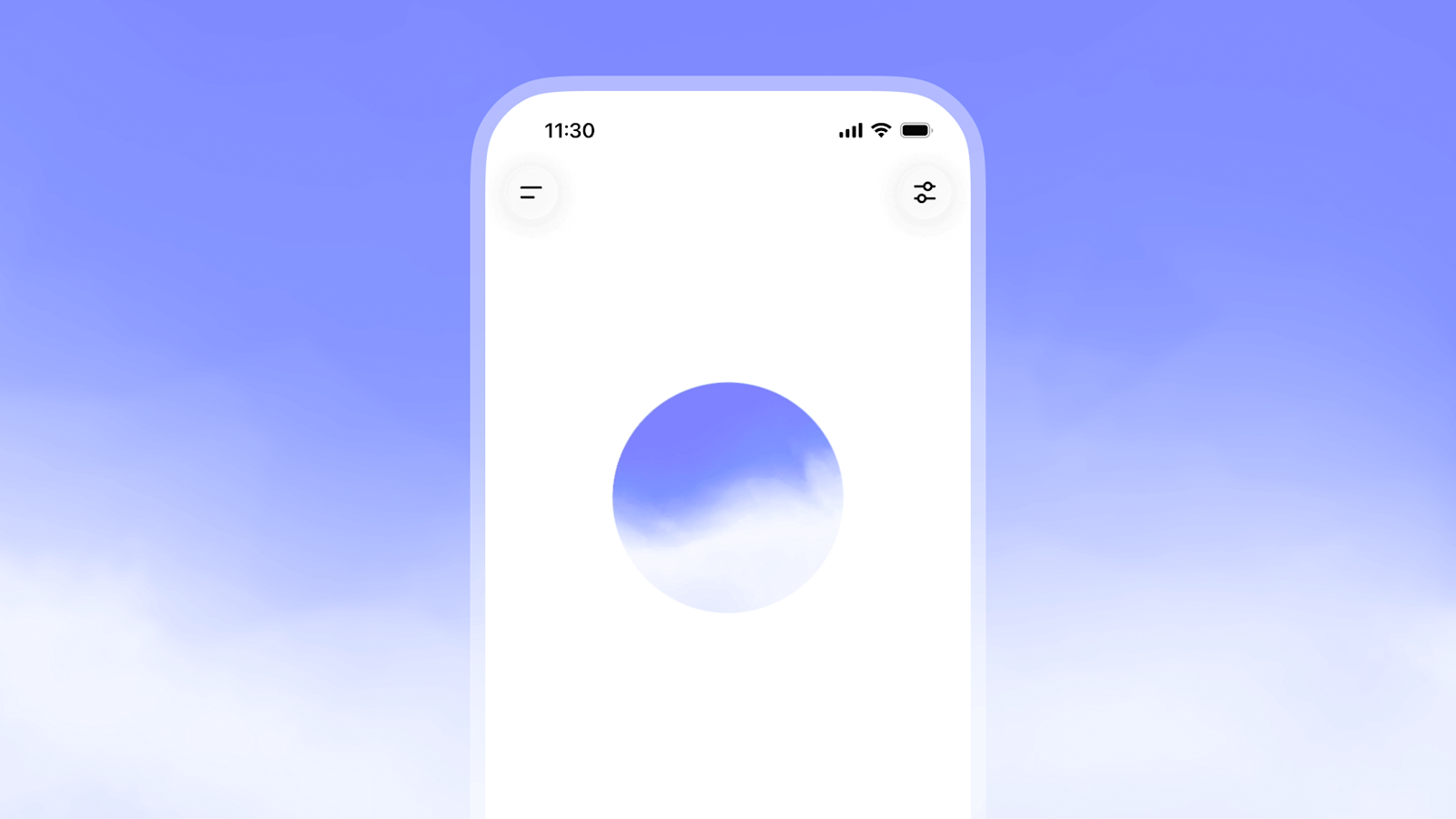
On July 8, 2026 (US time), OpenAI announced GPT-Live, a new generation of voice AI models[1]. Built on a full-duplex architecture that listens and speaks at the same time, GPT-Live delivers a conversational experience much closer to talking with a real person, complete with backchannel responses and natural interruptions. The rollout began the same day as the new foundation of ChatGPT Voice worldwide, and the system is designed to keep the conversation flowing while delegating complex questions to GPT-5.5 behind the scenes[1].
A Full-Duplex Architecture That Listens While Speaking
Voice AI so far has come in roughly two generations. The original ChatGPT Voice used a cascaded design that chained three models together — speech-to-text, a large language model, and text-to-speech — which made responses slow and stilted. Advanced Voice Mode then processed audio directly within a single model, reducing latency, but it still operated in discrete turns, waiting for the user to finish speaking before responding. Because turn detection relied on silence, a brief pause to think or background noise could be mistaken for the end of a turn, causing the model to interrupt at unnatural times[1].
GPT-Live removes these constraints with its full-duplex design. It continuously processes input while generating output, allowing it to make decisions many times per second: whether to speak, keep listening, stay quiet, interrupt, or invoke a tool. It can show it is paying attention with phrases like "mhmm," wait quietly while the user gathers their thoughts, and keep a brisk back-and-forth going. OpenAI says the model's improved sense of time even enables use cases like live translation[1].
Deeper Work Goes to GPT-5.5 — Without Stopping the Conversation
The other pillar is the separation of conversation from deeper work. For questions that require web search, complex reasoning, or agentic processing, GPT-Live delegates the task to a frontier model such as GPT-5.5 in the background and keeps talking until the result comes back. The delegated model will be updated as new frontier models are released, combining natural interaction with the latest intelligence[1].
On performance, OpenAI ran head-to-head evaluations against Advanced Voice Mode in matched 5–10 minute conversations, and GPT-Live was strongly preferred on overall likability, turn-taking, conversational flow, and naturalness. It also showed substantial gains on GPQA, which tests expert-level scientific reasoning, and BrowseComp, which tests agentic web search[1].
How ChatGPT Voice Changes
More than 150 million people use voice features or dictation in ChatGPT every week, and this overhaul touches that entire experience. The assistant now handles mid-conversation questions and requests to slow down, and the nine available voices have been remastered for GPT-Live. Users can also choose how deeply it thinks before answering: Instant, Medium, or High[1].
On the listening side, ChatGPT Voice now waits instead of jumping in when the user is thinking, and it complies when asked to stay quiet and listen. It is also better at focusing on the user's voice amid background noise such as passing traffic or nearby conversations. In addition, for topics like weather, stocks, and sports, it can display rich visual cards while the conversation continues[1].
Voice-Specific Safety Measures and Availability
Safety features designed for real-time voice are another hallmark. When the system detects potentially unsafe output while the model is speaking, it can steer toward a safer response, surface safety messaging or helpline resources, or end the conversation in higher-risk cases. For teen users, age-appropriate behavior has been trained directly into the model, and parents can control access to ChatGPT Voice through Parental Controls. Safeguards against imitating a real person's voice are also built in, and the model uses only a set of predefined voices[1].
The rollout is underway across iOS, Android, and the ChatGPT web app. GPT-Live-1 becomes the default model for Go, Plus, and Pro users, while GPT-Live-1 mini becomes the default for Free users. API access is planned soon. At launch, voice cannot yet be combined with video or screen sharing, some languages may show accents or gaps in fluency, and the legacy Standard and Advanced Voice Modes remain available[1].
Summary
GPT-Live marks a turning point from turn-based voice interaction to continuous conversation that listens while it speaks. Its design, which separates conversational fluidity from the intelligence of frontier models running behind the scenes, looks set to become the template for future voice agents. If you have ChatGPT at hand, the new Voice that nods along as you talk is well worth a try.