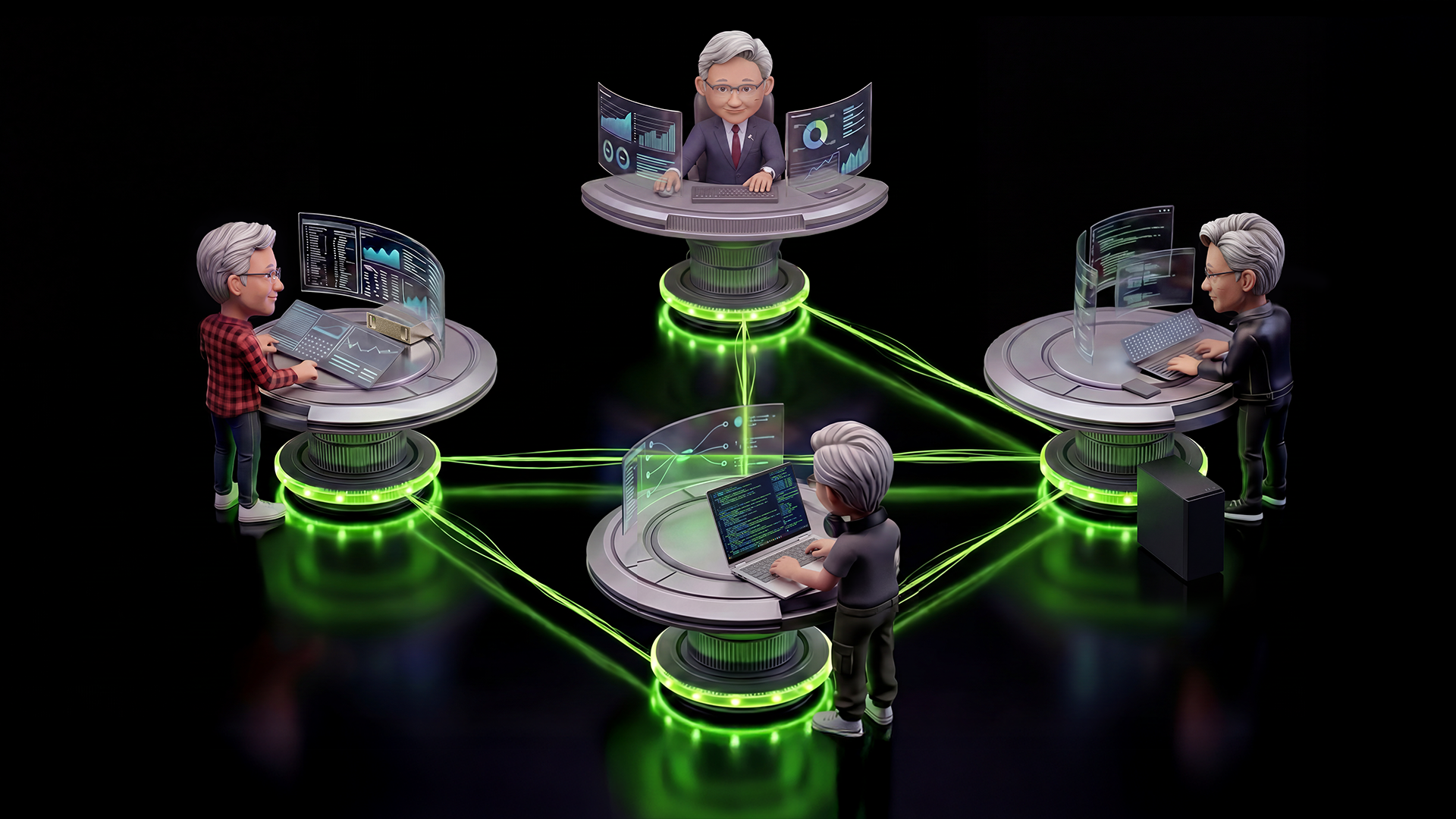
NVIDIA has released NVIDIA Agent Toolkit, a development foundation for building the specialized AI agents (AI that decides for itself how to carry out work) that enterprises can actually trust[1]. It is a modular base that combines models, tools, skills and a secure runtime, designed to let companies and developers build "digital AI coworkers" they can tailor and control more safely, faster and at lower cost[1][2].
From "Access" to Specialized Agents
The first wave of enterprise AI was mainly about access: trying new frontier and open models and running pilots[1]. NVIDIA frames the next stage as specialized agents that combine multiple models to reason, use tools and take real action even in complex workflows[1]. The idea is to put more useful AI within reach of the people who already know the work best[1].
Agents are already being used to accelerate drug discovery research, investigate vulnerabilities with more context, and coordinate supply chains[1]. To run these specialized agents, companies want a foundation they can adapt and own: customizable models, tools that connect to the systems they already use, and infrastructure that can run agents safely at scale[1].
Models, Blueprints and a Secure Runtime
Agent Toolkit provides the three elements an agent needs[1]: the "models" that form the reasoning foundation, the "tools and skills" that connect action and domain expertise, and the "runtime" that executes the work[1].
For models, it uses NVIDIA Nemotron, open models that teams can customize, evaluate and deploy for their own needs[1]. The newly added Nemotron 3 Ultra is a smaller, faster open model built for long-running agents, promising up to 5x faster inference and up to 30 percent lower cost on complex agentic tasks[2].
Mechanisms for running agents safely are also built in. The NemoClaw blueprints provide patterns for safer agent behavior, delivering accurate results at lower cost[1]. The OpenShell runtime is an open-source runtime that enforces policy-based security, network and privacy guardrails, making autonomous agents safer to deploy[1][2]. In addition, CUDA-X libraries such as cuDF for data processing, cuOpt for optimization, NeMo, PhysicsNeMo and CUDA-Q are now opened up as domain-specific skills that agents can use[2]. These tools can also be combined with third-party agent harnesses of the user's choice, such as Hermes Agents and OpenClaw[1].
Specialized Agents Already at Work Across Industries
This foundation is already in motion across various fields[1].
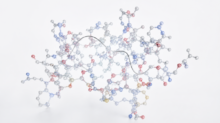
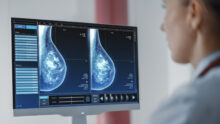
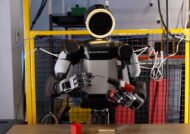
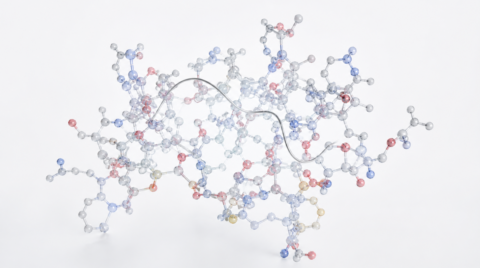
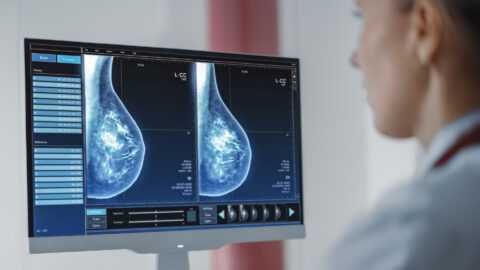
In life sciences, agents call on specialized models for protein design, virtual screening, genomics analysis and biomarker discovery to support research[1]. With the new NVIDIA BioNeMo Toolkit, work that previously took months can be completed in days[1]. In healthcare, agents handle clinical documentation, clinical decision support and care coordination, and robots trained in hospital digital twins (virtual environments that reproduce reality) may expand into surgical assistance and hospital automation[1].
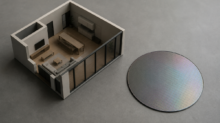
In engineering, Cadence, Synopsys, Dassault Systèmes and Siemens are using NemoClaw to build "AI engineers" that autonomously carry out chip design and verification work, aiming to compress weeks of work into hours[1][2]. In security, CrowdStrike triages alerts with 98.5 percent accuracy using specialized security agents, while Palantir advances operational decisions with long-running agents[1]. Palantir, SAP, ServiceNow, Siemens and Dassault Systèmes are also embedding agent capabilities into the enterprise platforms where critical decisions are made[1].
Summary
NVIDIA Agent Toolkit bundles models, tools, skills and a secure runtime to provide a foundation for specialized AI agents that enterprises can adapt to their own workflows. Flexible model selection with Nemotron, safe execution via NemoClaw and OpenShell, and expanded expertise through CUDA-X skills are the pillars, and adoption has begun in concrete settings such as drug discovery, chip design and security. The center of gravity of enterprise AI is shifting from merely trying general-purpose models toward assembling "AI coworkers" rooted in real work. That said, this is also the vision NVIDIA itself is drawing, and how well safety and results can be balanced in actual operations will depend on verification in the field going forward.