
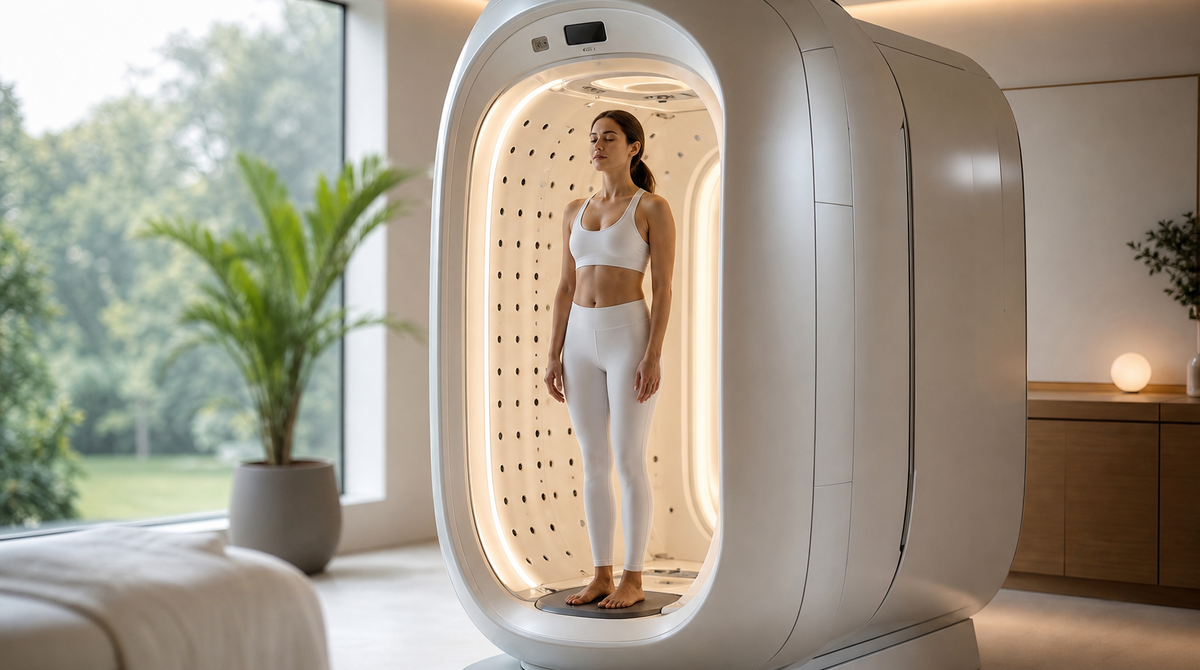
Midjourney, the company known for its image-generation AI, has revealed that it is developing a medical scanner capable of imaging the entire body in about 60 seconds. It is the first piece of hardware from a new division called Midjourney Medical, and it relies on ultrasound and water — with no radiation and no powerful magnets — to build a three-dimensional image of the inside of the body. The company also plans to roll out spa-like facilities that house the scanners, starting with a location in San Francisco next year.
※1 USD = about 161 JPY (as of June 23, 2026)
Why an Image-Generation AI Company Is Stepping into Medical Hardware
Midjourney has so far been known for turning text prompts into images. This announcement marks a move into a field that has little to do with that flagship business. The company says it asked itself how it wanted to stand apart and what it wanted to become, and that its answer was to launch Midjourney Medical. The vision it describes is an examination as powerful as an MRI yet as casual as a trip to the spa, and the scanner is the first step toward it.
How It Works: A 60-Second Full-Body Scan with Water and Ultrasound
The procedure is unusual. After a person steps onto a platform, they are lowered into water at roughly 5 centimeters (2 inches) per second. Surrounding the body is a ring made up of 500,000 tiny elements, each about the size of a grain of sand. Every element is both a small speaker that emits ultrasonic waves and a microphone that picks up the echoes bouncing back through the body.
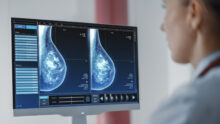
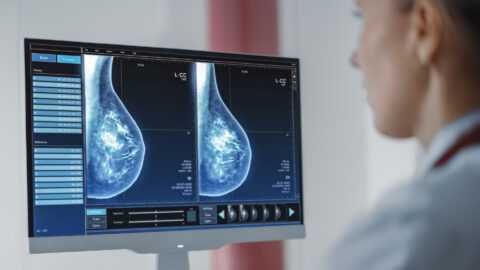
The principle is close to sonar, or the echolocation that dolphins use: the system fires sound from every angle and analyzes the returning ripples to map the body. According to Midjourney, the result is a 3D map accurate to less than a millimeter that looks much like today's MRI images. The big difference is speed. A full-body MRI usually takes 60 to 90 minutes, whereas the scanner aims to finish in under 60 seconds. The company says the scan generates terabytes of data per second, which are then assembled into images.
Partnering with Butterfly Network for a Multi-Year Rollout
The hardware is being developed together with Butterfly Network, a maker of palm-sized ultrasound devices. Midjourney signed an agreement with the company in November 2025, securing exclusive rights to its technology for integrating ultrasound functions onto a chip. The medical division is led by Tom Calloway, PhD. Reports say the company is investing more than 74 million USD (about 12 billion yen) in the effort.
The plan proceeds in stages. Over the next 12 months, Midjourney intends to refine its algorithms and the device, run research trials, and design second-generation hardware. Next year (2027) it plans to open its first spa in San Francisco, after which it will seek clearance from the US Food and Drug Administration (FDA). In 2028 it aims to improve image quality with a third-generation machine built on custom silicon and to expand to more cities. Ultimately, it has set a goal of deploying 50,000 scanners worldwide by 2031.
Promise, and the Caveats for Now
Midjourney describes a sweeping ambition. The company says it believes it is entirely possible that, with enough early imaging in the future, the world could avoid 30 percent of all deaths and 50 percent of all healthcare costs.
At the same time, the current scanner is a first-generation prototype, and it has not yet received regulatory clearance as a diagnostic device. How far the scan can be used for actual diagnosis will depend on the results of upcoming trials and the FDA's review. The concept is striking, but it will take time and verification before such scanners become a routine part of medical practice.
Summary
Building on the technology it developed for image-generation AI, Midjourney has set out to create a medical device that scans the whole body in 60 seconds using ultrasound and water. The aim is to deliver MRI-level accuracy at dramatically higher speed, as an examination anyone can take casually. High hurdles remain — regulatory clearance and several generations of refinement — but the move stands out as a fresh example of an AI company venturing into the medical field.