Muse Spark, which Meta rolled out in April 2026, is the company's first proprietary, closed foundation model. Meta built its reputation on the freely available Llama series, so why has it shifted toward a closed approach? Here is a look at where this model from the newly formed Meta Superintelligence Labs fits in, and the obstacles Meta still has to clear.
What Makes Muse Spark Different
The defining trait of Muse Spark is that it breaks from the open-weight philosophy Meta had stuck to, arriving instead as a closed model whose internals are not published. With it, Meta has moved decisively onto the proprietary-model track that OpenAI, Anthropic, and Google have followed.
According to benchmarks published by Meta, Muse Spark performs on par with leading models from OpenAI, Anthropic, and Google across many tasks. It does not, however, beat them across the board, so "caught up" is closer to the truth at this stage than "out in front." Meta has leaned into training techniques that improve computational efficiency, which could become a point of differentiation for users keen to keep running costs down.
Where It Runs
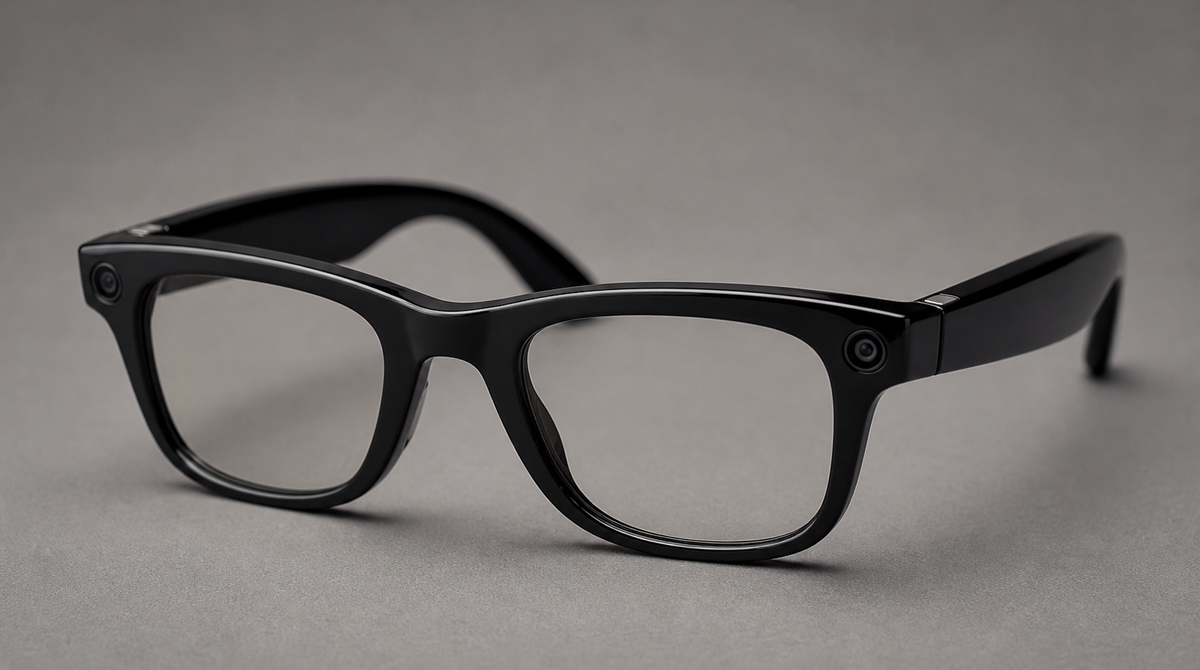
Muse Spark is designed less for outside developers and more to be woven directly into Meta's own services. It plugs into flagship apps such as Facebook, Instagram, WhatsApp, and Messenger, into the standalone Meta AI app and website, and into AI-powered devices like the Ray-Ban Meta smart glasses.
In other words, Meta's core strategy is to drop AI straight into the daily habits of its billions of existing users. At the same time, the company is working on letting outside developers tap Muse Spark's underlying technology through an API. Meta says it has begun testing with a handful of early partners and plans to make that access available soon.
The Big Investment and the Birth of the Superintelligence Lab
Muse Spark is the payoff from an aggressive talent push Meta made in 2025. The company spent about 14.3 billion USD (about 2.29 trillion yen) to acquire roughly half of the data-infrastructure firm Scale AI as a non-voting stake, and brought on co-founder Alexandr Wang as Meta's first-ever chief AI officer. ※1 USD = 160 JPY (as of June 14, 2026)
The new group Wang leads is Meta Superintelligence Labs, and Muse Spark is its first model. The lab was created after Llama 4, released in 2025, failed to win over developers, forcing CEO Mark Zuckerberg to rethink the company's AI strategy. Recruiting high-profile AI talent such as former GitHub CEO Nat Friedman was part of the same effort.
The Walls Meta Has to Climb
Even with the technology catching up, Meta faces several challenges. One is developer trust. For the crowd that valued the openness of Llama, the pivot to a proprietary path feels like a step back, and winning back the developer community is now an open question.
Another is cadence, the pace of new features and new models. OpenAI, Anthropic, and Google ship updates at short intervals, and users have grown used to that rhythm. Wang has described Muse Spark as an "appetizer" and promised larger models to come, but sustaining that momentum will be the real test.
The business backdrop matters too. Ads still account for 98 percent of Meta's revenue, and it is far from clear the company can turn AI into a direct revenue source. Meta also cut about 8,000 jobs in May 2026, a sign of an unsettled foundation. Shifting from AI as a prop for the ad business to AI products that users actually pay for, whether Muse Spark can become that turning point will shape Meta's next few years.
Summary
Muse Spark is the first foundation model from Meta Superintelligence Labs, marking the open-source pioneer's switch to a proprietary approach. Built around integration into flagship apps and the Ray-Ban Meta glasses, and armed with computational efficiency, it still carries homework on developer trust, release cadence, and monetization. Now that it has matched the leading models on performance, the question is whether Meta can keep the pace from here.