Anthropic has signed a seven-year, 11.6 billion USD (about 1.84 trillion yen) compute infrastructure agreement with content delivery and cloud infrastructure giant Akamai Technologies. The deal includes an expansion option worth up to an additional 9 billion USD (about 1.43 trillion yen), bringing the total potential value the two companies disclosed to roughly 20 billion USD (about 3.18 trillion yen). The agreement is one of the largest single deals in Akamai's history, and the company's stock jumped more than 20 percent immediately after the announcement.
Akamai's Distributed Infrastructure to Meet Surging CPU Demand
The deal was announced on September 24, 2026 by Akamai, which is headquartered in Cambridge, Massachusetts. The base contract runs seven years at 11.6 billion USD (about 1.84 trillion yen), with an expansion option of up to 9 billion USD (about 1.43 trillion yen) on top of that. If fully realized, the total could reach approximately 20 billion USD (about 3.18 trillion yen).
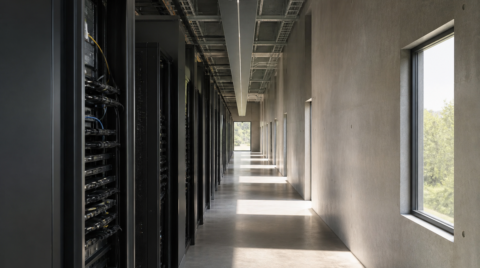
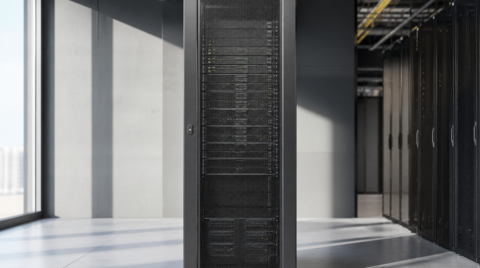
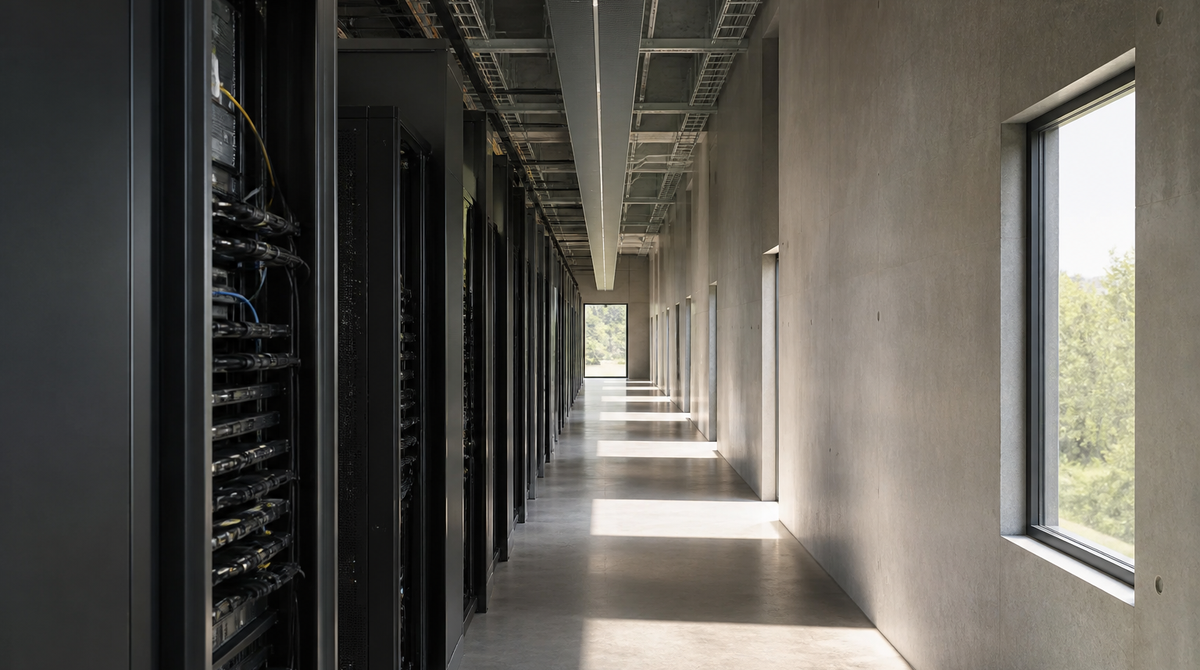
What Akamai is providing is its distributed compute infrastructure and software, spanning from core data centers to the network edge. Anthropic plans to use this infrastructure to meet growing CPU workload demand tied to running its AI models. Akamai CEO Dr. Tom Leighton was quoted in the announcement as saying, in effect, that the company was honored Anthropic, a leader in AI innovation, chose Akamai's ability to build scalable AI infrastructure.
Thinking Runs on GPUs, "Work" Runs on CPUs: The Unique Demand Structure of AI Agents
What has drawn attention about this deal is that it centers on CPUs rather than GPUs. Executives at chipmaker AMD have pointed out that in realistic pipelines for AI agents that actually carry out tasks, seven of eight processing stages run on CPUs. AI agents don't just "think" through a response to a user's request; they also perform a large volume of "work," such as calling external tools, running web searches, and organizing information—work that largely depends on CPU processing power rather than GPUs.
AI infrastructure investment has so far been concentrated on GPUs for training and running large language models. But as AI agents increasingly carry out real-world tasks autonomously, this deal suggests that CPU-based distributed compute demand is emerging as a new front in that investment.
A Deal That Reshapes Akamai's Revenue Structure
The deal also carries significant implications for Akamai's business. The company's total revenue for 2025 was 4.208 billion USD (about 668 billion yen), and the Anthropic agreement is expected to reach an annual revenue pace of roughly 1.7 billion USD (about 270 billion yen) by the end of 2028—nearly 40 percent of current total revenue. Meaningful revenue recognition is expected to begin in the second half of 2027.
To fulfill the contract, Akamai expects related capital expenditures of about 5.5 billion USD (about 873 billion yen), plus an additional 1.7 billion USD (about 270 billion yen) in 2026 capex aimed at securing its supply chain. The company said the deal will not affect its 2026 revenue guidance. Akamai will also issue Anthropic warrants for up to about 5 percent of its outstanding common stock, with roughly 2 percent vesting upon Anthropic's first payment.
At the same time, because the deal relies so heavily on a single customer, some industry observers have raised concerns about revenue concentration risk. How much Akamai's future performance ends up tied to Anthropic's own business trajectory is likely to be a point worth watching going forward.
※Exchange rate: 1 USD = 158.76 JPY (as of September 25, 2026)
Summary
On September 24, 2026, Anthropic announced a seven-year, 11.6 billion USD compute procurement agreement with Akamai. Including the expansion option, the total could reach approximately 20 billion USD, making it one of the largest deals in Akamai's history. The contract's focus on CPUs rather than GPUs reflects growing demand for distributed infrastructure to support the "work" AI agents perform as part of real tasks. While Akamai's stock rose more than 20 percent after the announcement, the deal has also introduced a new risk in the form of heavy reliance on a single customer, and how the contract plays out will be worth watching.
Sources: Akamai Newsroom / TechCrunch