On May 19, 2026, Google announced Managed Agents in the Gemini API alongside Google I/O 2026[1]. With a single API call, developers can now spin up an agent that handles reasoning, tool use, and code execution inside a Linux sandbox that Google operates on their behalf. The change shifts the infrastructure, scaffolding, and isolated sandboxes developers used to build themselves over to Google, freeing them to focus on product experience and agent behavior[1][2].
Antigravity harness plus Gemini 3.5 Flash, a Linux sandbox in one call
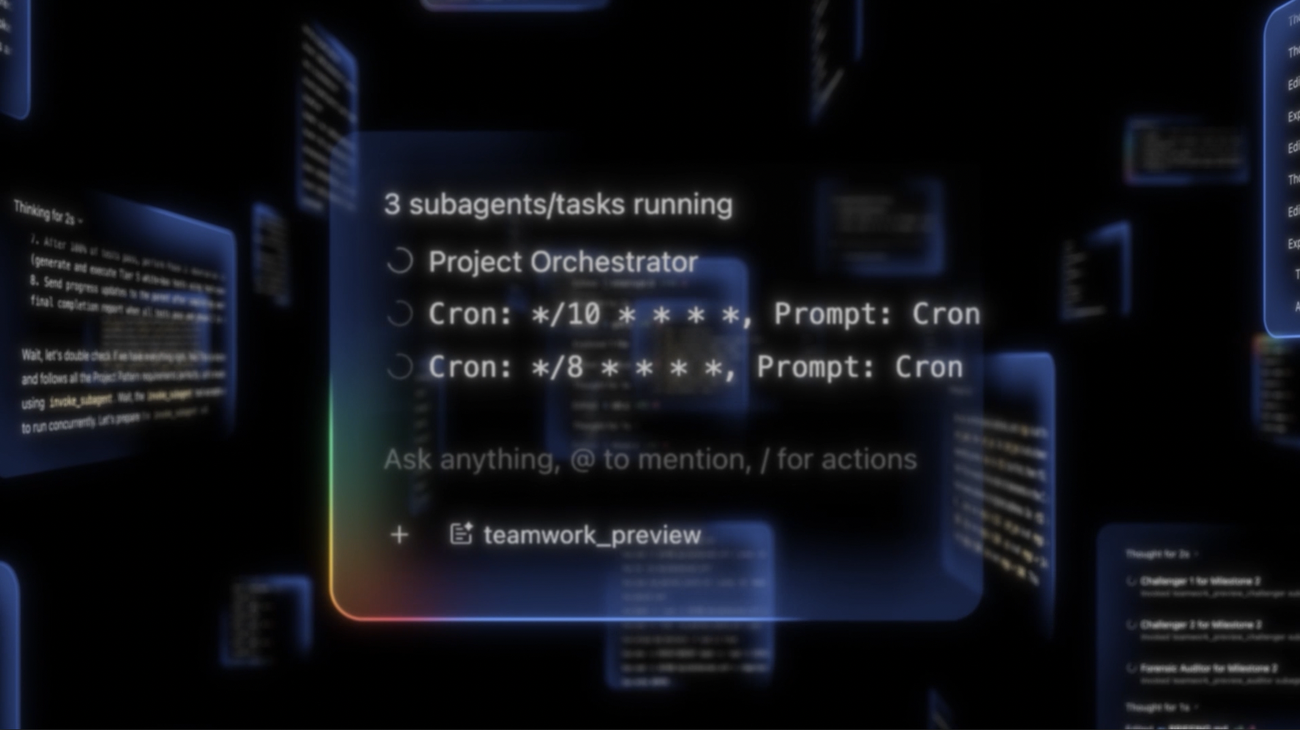
Managed Agents opens up the very same "Antigravity" harness Google uses for its own agents, with Gemini 3.5 Flash sitting at the engine layer[1][2]. A single call to the Antigravity agent provisions a remote Linux environment in which the agent can reason, plan, and call tools through the harness, execute code and manage files in an isolated Linux sandbox, and browse the web to pull live data[1].
Each interaction either creates a new environment or picks up an existing one, so follow-up calls can resume the same session with files and state intact, allowing long workflows to be split across multiple calls[1]. Varun Mohan, Director of Software Engineering at Google DeepMind, explained that with Managed Agents, custom agents built by developers run on the same technology and infrastructure as Google's own agents[2].
Defining agents as files with AGENTS.md and SKILL.md
Managed Agents are usable out of the box, but they are also designed to be extended with custom instructions and skills[1]. Instead of writing complex orchestration code, developers describe an agent's behavior and capabilities in markdown files such as AGENTS.md and SKILL.md, register them as a Managed Agent, and the Antigravity agent comes up as that extended variant[1].
The base Antigravity agent is callable via the Antigravity Agent and Interactions API documentation published on ai.google.dev[1]. New custom templates are also available in the Google AI Studio Playground, together with a dedicated Gemini API agent skill designed so that coding agents can scaffold and manage these custom agents[1].
From December's Deep Research to a build-your-own opening, with enterprise in private preview
In December 2025, Google shipped Deep Research as its first Managed Agent, aimed at complex research tasks[1]. The new Managed Agents launch positions today's update as opening up the agent harness and infrastructure that powered Deep Research to outside developers. Google says it has been working closely with a small set of internal and external developers — including Ramp, ResembleAI, Klipy, and Stitch — to test the product ahead of this rollout[1].
Managed Agents in the Gemini API begins rolling out in preview in the Gemini API later today, and can be tried instantly from the new templates in the Google AI Studio Playground[1]. For enterprises, Managed Agents support is also being added to the Gemini Enterprise Agent Platform — the rebrand of Vertex AI — and ships as a private preview there[1][2].
Summary
Managed Agents in the Gemini API hands developers an agent execution stack — the Antigravity harness paired with Gemini 3.5 Flash — behind the thin interface of a single API call. Letting Google handle Linux sandbox provisioning and state, and letting developers version-control agents as AGENTS.md and SKILL.md files, are the two pieces most likely to lower the cost of taking an agent into production.
Source:[1] https://blog.google/innovation-and-ai/technology/developers-tools/managed-agents-gemini-api/