Memory (RAM) — a part you cannot skip when building or upgrading a PC — has become markedly more expensive in 2026. The driver is the AI boom and its surging appetite for memory. Against that backdrop, NVIDIA and memory giant SK hynix signed a multiyear deal on June 7 to co-develop next-generation memory. Why does a partnership aimed at AI push up the price of the RAM in the PC you buy? Here is the latest.
How Far Have Memory Prices Risen?
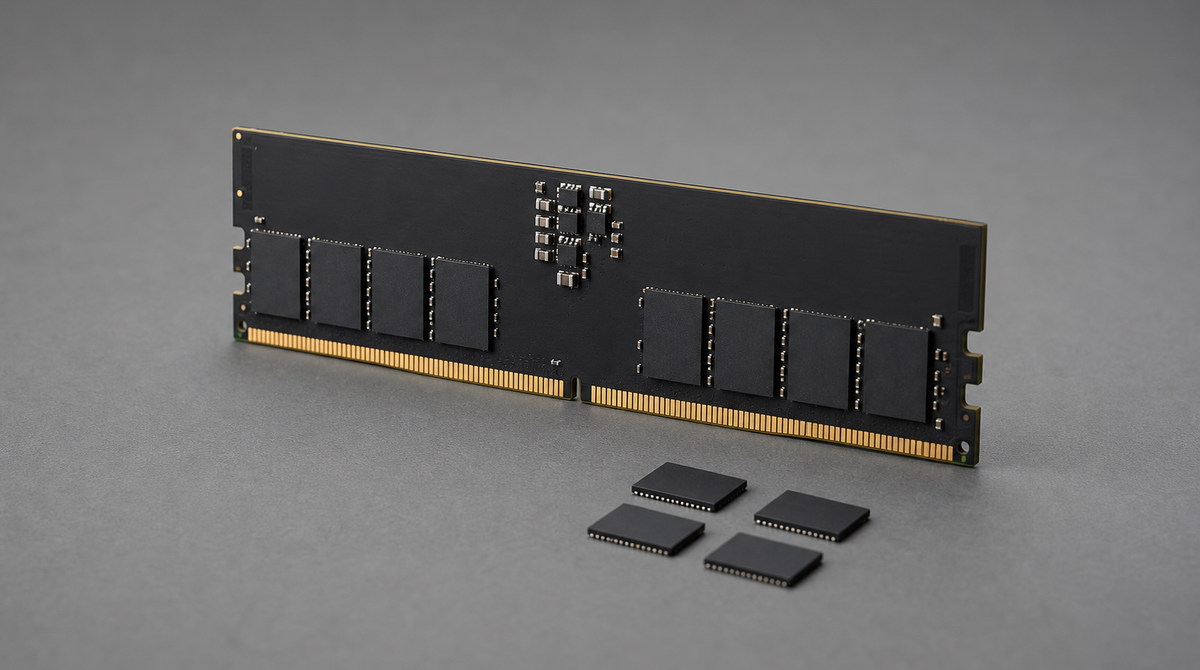
For anyone who builds their own PC, the past year of price increases is impossible to ignore. The cheapest 32GB DDR5 memory kit has reportedly climbed to around $375 (about 60,000 yen). A year ago the same kit sold for roughly $80 to $120 (about 13,000 to 19,000 yen), so prices have multiplied several times over. Research firms have warned that memory costs could surge by roughly 130 percent across this supply cycle. The mood in the market is that prices are more likely to climb further than to fall.
※1 USD = 160 JPY
What NVIDIA and SK hynix Actually Agreed To
The deal announced on June 7 captures that squeeze. The two companies said they will jointly develop next-generation memory for the large-scale systems NVIDIA calls "AI factories." The scope covers NVIDIA's entire product range: not only the data-center "Vera Rubin" supercomputers and "Vera" CPUs, but also the desktop AI PC "DGX Spark" and the "Jetson Thor" computing module for robots — spanning training, inference, the desktop and robotics.
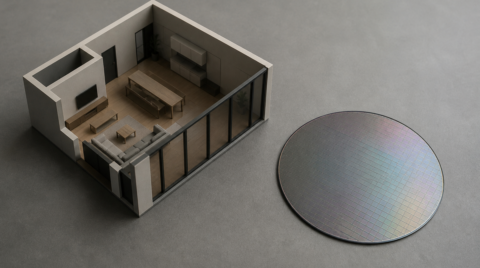
SK hynix is already one of the suppliers of the high-bandwidth memory "HBM4" for Vera Rubin, alongside Samsung and Micron. The new agreement goes beyond any single product, aligning development and supply plans with NVIDIA's entire roadmap. The companies also said they will use NVIDIA's computing platform to speed up semiconductor design simulation and pursue "fully automated" production lines through factory digital twins, shortening the multi-year development cycle for advanced memory so supply can keep up with NVIDIA's hardware plans.
Why AI Demand Pushes Up Consumer RAM
The key is HBM, the specialized memory used alongside AI accelerators. Compared with the ordinary DRAM that goes into smartphones, laptops and game consoles, HBM consumes three to four times the wafer (the base material for chips) to produce the same capacity. The more memory makers shift production capacity toward the more profitable HBM, the less is left for the commodity DRAM the rest of us use.
By some estimates, AI applications will account for roughly 20 percent of global DRAM wafer output in 2026, leaving consumer supply structurally short by that much. AMD CEO Lisa Su has also pointed to HBM as the next bottleneck in the AI chip supply chain. The NVIDIA–SK hynix deal is precisely an arrangement to secure next-generation memory, including HBM, for AI first — and as a result it reinforces the trend that has been driving up RAM prices for ordinary users.
How Long Will Prices Stay High?
A near-term cooldown is hard to expect. SK hynix itself projects that the tight supply of commodity DRAM, including DDR5 and DDR4, will last through 2028. Deals like this that come with investment in automated plants could expand production capacity over a span of years, which is a positive. But that is not the kind of thing that brings prices down next quarter; it takes effect over a long horizon.
For NVIDIA, memory is a strategic choke point: every new accelerator outstrips available supply. Tying a supplier to its own roadmap — and even helping automate that supplier's factories — is a move to lock down that choke point years in advance.
Summary
The NVIDIA–SK hynix multiyear partnership is a move to corner next-generation memory for AI computing, and at the same time it reflects a reality in which the RAM in the PCs we hold is increasingly designed "AI factories first." If you are thinking about building or refreshing a PC, adding memory, or buying a game console during 2026, the conventional, safe move is the same as ever: secure what you need now, while prices are merely high, rather than waiting for them to climb further. Even if supply eases, that looks like a multi-year story.