On June 22, 2026 (local time), OpenAI changed how ChatGPT handles long pasted text and extended the behavior to users on its Free and Go plans. When you paste more than 10,000 characters into the input box, ChatGPT now converts the content into an attachment instead of dropping it straight into the message body. A behavior that first arrived on paid plans is now reaching a much wider audience.
Long pastes automatically become an "attachment"
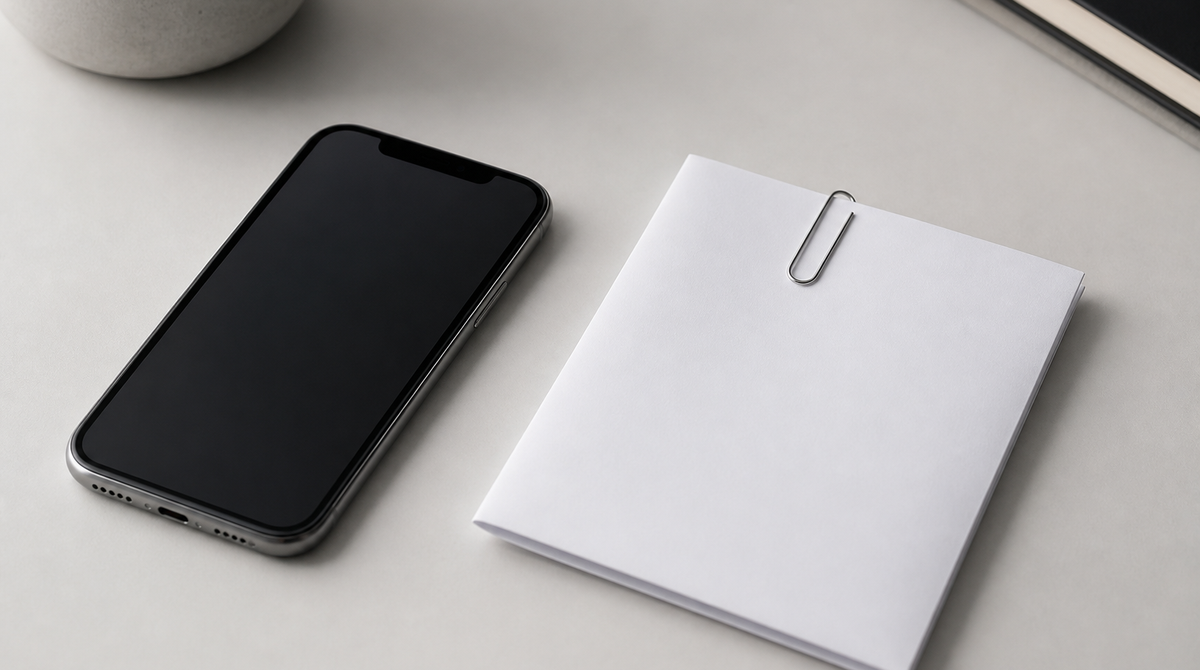
It is common to paste a long block of text into ChatGPT's composer all at once. With this change, when the pasted content exceeds 10,000 characters, ChatGPT no longer places it directly in the input box and instead treats it as a single attachment.
On screen, rather than a wall of text, you see one attached file. If you want the content back in the message body, you can select "Show in text field" to return it to a direct paste, just as before. It automatically turns the text into a file while still letting you switch back manually when needed.
Why convert it into a file
OpenAI describes the goal of this behavior as two things: keeping the composer tidy, and preventing a long paste from crowding out the "context window."
The context window is the limit on how much text the AI can read and take into account at one time. If a huge paste fills it entirely, there is that much less room for the rest of the exchange, and the flow of the conversation or instructions given earlier can be pushed out. Separating long text into an attachment helps preserve both the readability of the input box and the context of the conversation as a whole.
Expanding to Free and Go, with the threshold rising from 5,000 to 10,000 characters
This auto-attachment behavior was first introduced for paid plans such as Plus, Pro, and Business. Now Free and Go users are being added to that list.
At the same time, the threshold for turning a paste into a file has been raised. Previously, anything over 5,000 characters was treated as a file; that limit has now been eased to 10,000 characters. Shorter pastes go straight into the input box as before, and only unusually long ones switch over to a file.
Where it helps
The biggest benefit comes when pasting long notes, meeting minutes, transcripts, code snippets, or draft documents in one go. The input box used to fill up instantly with a long block, making it hard to see the surrounding instructions; folding the text into a file keeps the working screen organized.
On the other hand, if you want to edit the pasted content in detail, you need the extra step of returning it to the body with "Show in text field." Switching between automatic and manual handling depending on the task seems to be the sensible approach.
Summary
ChatGPT has extended to Free and Go users the behavior of automatically turning pastes over 10,000 characters into an attachment. The file-conversion threshold has been raised from 5,000 to 10,000 characters, and you can return content to the original paste at any time with "Show in text field." It is not a flashy new feature, but it is a quiet, practical improvement that directly affects everyday usability — keeping the input box readable and protecting the context.