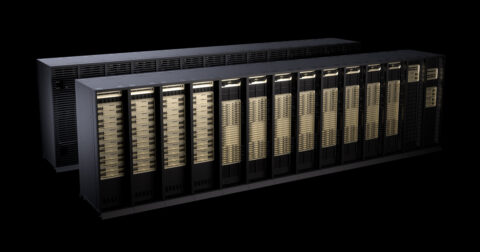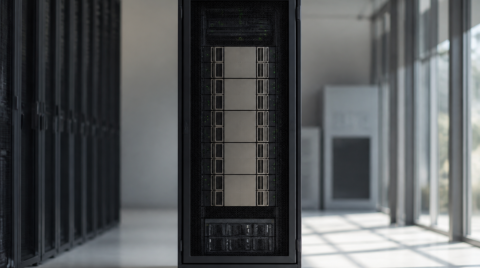
On September 22, 2026, OpenAI introduced two new additions to its GPT-6 lineup, GPT-6 Sol and GPT-6 Luna. The models pair sharply lower API pricing with fewer factual mistakes, and the launch landed on the same day Anthropic unveiled its own new model, Claude Opus 5.5, underscoring how intense the pricing rivalry between the two labs has become.
A Capable Sol and a Lightweight Luna
The two new models extend the capabilities of GPT-6 Astra, OpenAI's flagship model introduced earlier this month, into more affordable tiers. Sol is positioned as the higher-end option for demanding work such as coding, while Luna is built for high-volume, well-defined tasks like summarizing documents, extracting information, or answering quick questions. OpenAI describes the pair as making "the intelligence Astra introduced more efficient and accessible."
Prices Cut Roughly in Half, Errors Nearly Halved Too
On pricing, Sol costs 2 USD per million input tokens (about 320 yen) and 10 USD per million output tokens (about 1,600 yen), a 50 percent cut in both directions from the prior GPT-5.6 generation. Luna costs 0.10 USD per million input tokens (about 16 yen) and 0.50 USD per million output tokens (about 80 yen), a 50 percent cut on input and a 58 percent cut on output. OpenAI says these are permanent price changes, not a limited-time promotion.
On performance, OpenAI's internal factuality evaluation found that Sol makes about half as many mistakes as its predecessor, reaching Astra-level reliability at a much lower cost. Across several benchmarks, Sol reportedly matched or beat Anthropic's top models on coding and agentic tasks at a fraction of the cost.
The new models are rolling out first to ChatGPT Work and Codex plans as well as business and enterprise accounts, with Luna also available to free and Go users through the desktop app. Developers will be able to access both through the OpenAI API as well.
An Intensifying AI Price War
The timing of the announcement drew particular attention. Anthropic released its new Claude Opus 5.5 just 90 minutes before OpenAI's launch on the same day, a coincidence that highlighted just how fierce the competition between the two companies has become. Opus 5.5 is priced at 4 USD per million input tokens (about 630 yen) and 20 USD per million output tokens (about 3,160 yen), meaning Sol now costs roughly half as much as Anthropic's flagship.
With Astra at the top for the hardest tasks, Sol for everyday coding and agentic work, and Luna for simple tasks, companies are increasingly moving away from picking a single model and toward mixing models based on the job at hand. The ongoing price cuts from both OpenAI and Anthropic look set to keep pushing down the cost of putting AI to work in daily operations.
Summary
OpenAI's GPT-6 Sol and Luna combine lower prices with improved accuracy, and their launch alongside Anthropic's Claude Opus 5.5 on the same day signals a new phase in the AI pricing race. Attention now turns to how far the price war will go as cheaper Sonnet- and Haiku-class models from Anthropic are expected in the coming weeks.
※Exchange rate (as of September 24, 2026): 1 USD = 158 JPY